
Review · PORTO TAPAS TOURS
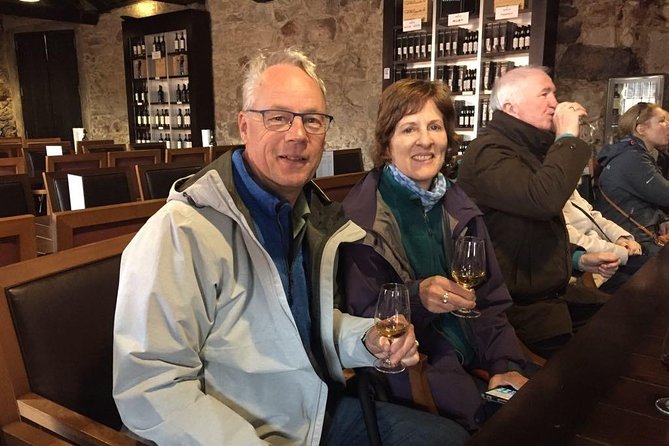
3 table wines & 5 Port wines + Tapas
Porto’s wine story makes the most sense when you walk through the city that shipped it. This private outing begins at the Cathedral, winds through old streets and Ribeira, crosses the Luis I Bridge, and ends with five Port tastings and tapas in Vila Nova de Gaia. You get wine, city history, and river views in one compact afternoon.
I like two things here. First, the private format lets you ask questions and set the pace with your own guide. Second, the route gives context to what is in your glass, from Rabelos boats on the Douro to the famous Port houses facing the waterfront. The main caution is that the actual wine stops may not always match the advertised promise of three table wines, five Ports, and visits to several wine houses.
Key points to know before booking
- Private walking tour: Only your group takes part, with a guide such as André, Bernardo, or Sara.
- Eight planned wine tastes: The experience is presented as three table wines plus five Port wines, with tapas and regional food pairings.
- Port history on the route: You learn how wine moved along the Douro by Rabelo boat and was stored in Gaia.
- A strong city walk: The route includes Porto Cathedral, Rua de Sant’Ana, Ribeira Square, and the Luis I Bridge.
- Ends in Vila Nova de Gaia: The final stop is a Port wine cellar on Avenida de Diogo Leite.
- Allow two to three hours: This is a short introduction, not a full cellar tour or a full-day wine excursion.
A Porto wine tour that begins with the city, not the cellar
Many wine tastings start inside a cellar and explain the city afterward. This one takes the reverse approach. You first get your bearings around Porto’s old center, then follow the wine story toward the Douro and Gaia.
That order is useful. Port is not simply a drink produced in an isolated valley. It is tied to the river, the merchants who traded from Porto, the boats that carried barrels, and the cellars across the water in Vila Nova de Gaia. By the time you reach the final tasting, you should have a clearer sense of why the wine belongs to both sides of the river.
The tour lasts about two to three hours. That makes it a practical choice if you want a taste of Porto’s wine culture without giving up most of your day. It also means the experience moves at a steady clip. You will not have time for lengthy cellar visits, a full meal, or a detailed lesson on every producer.
The private setting is the biggest practical advantage. You are not sharing the guide with a large group, so you can ask about the difference between tawny and ruby Port, local food, Porto’s old quarters, or any bottle you encounter. The guides are also part of the experience’s character. André is praised for making the afternoon feel personal, Bernardo for his passion for his home city and interest in history, and Sara for her warm hosting.
More Tapas and Wine Tours in Portugal
- Porto: Wine Tasting with Tapas Walking Tour
★ 4.4 · 1,541 reviews - Lisbon Food Tour with 10+ Tastings of Local Delicacies & Wines
★ 5.0 · 1,339 reviews - Wine Tasting with Tapas Walking Tour in Porto
★ 4.5 · 544 reviews
Starting at Porto Cathedral with ten minutes of context
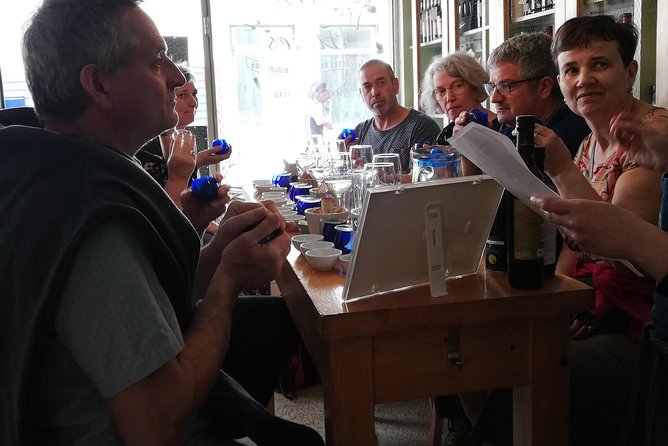
Meet your guide in front of Porto Cathedral, facing the main facade. The cathedral sits high above the old city, making it a sensible place to begin. You start with an introduction to Porto and a preview of what the walk and tastings will cover.
The opening stop lasts about ten minutes. That is enough to orient you, but not enough for a full cathedral visit. Admission is not included, and the experience does not present the cathedral as a major interior sightseeing stop. If you want to see inside, plan that separately and leave yourself extra time.
I like this meeting point because it places you in the historic heart of Porto from the first minute. It also avoids wasting the start of the tour on a long transfer. Pickup can be arranged from a Porto hotel, according to the tour details, but the standard meeting point remains the cathedral.
Wear comfortable shoes. The route includes old streets and a walk toward the river, and Porto is not known for flat pavement. You should also be ready for a tour that combines standing, walking, tasting, and listening rather than sitting in one location.
Rua de Sant’Ana and the first regional tasting
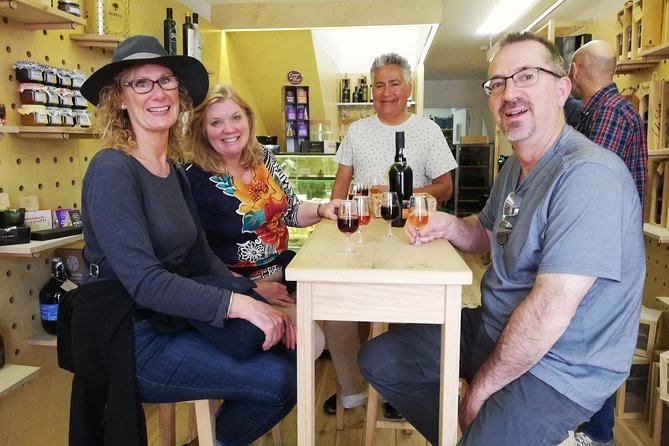
From the cathedral, the route moves into Rua de Sant’Ana, one of Porto’s older medieval streets. This area also relates to one of the city’s former Jewish quarters, giving the guide a chance to connect the wine with Porto’s layered urban past.
Here you receive the first tasting, paired with regional products from Porto and northern Portugal. The wines and food are explained as you taste them, so this is not simply a quick pour followed by a walk to the next stop.
This part may be the most appealing section for anyone who wants local food along with wine. The pairings help you understand how northern Portuguese flavors work with table wines, and they give the guide something concrete to discuss beyond dates and names. Some of the strongest comments about the experience focus on educational tastings and pleasant food pairings.
Keep your expectations clear, though. The supplied details do not identify every wine, producer, or food item served at Rua de Sant’Ana. You will receive regional products, but you should not book this expecting a fixed restaurant menu or a formal tasting course with printed technical notes.
Ribeira Square and the Rabelos on the Douro
The walk continues downhill toward Praça da Ribeira, one of Porto’s best-known riverfront spaces. This is where the city’s Port trade becomes easier to picture.
Your guide explains the role of the Rabelos boats, the traditional vessels associated with moving Port along the Douro. The wine traveled from the inland valley toward the coast, then was stored and matured in Vila Nova de Gaia. From Ribeira, you can look across the water and see why the river shaped the city’s trade.
The waterfront also gives you views of major Port names such as Cálem, Sandeman, Kopke, and Graham’s. Seeing those names on the Gaia side adds useful context before the final tasting. You are not just sampling an anonymous fortified wine. You are learning how the brands fit into Porto’s riverfront identity.
This stop lasts about forty-five minutes, including the walk and commentary. It is a good portion of the tour for photographs and questions. It is also one reason the experience may feel more like a cultural walk with wine than a cellar-hopping excursion. If you want a tasting room every few minutes, this pace may seem slow. If you want the city explained as you move through it, the balance works better.
Same city, a different plate:
- Lisbon: Tapas & Drinks with Fado Live Performance
★ 4.6 · 749 reviews - Lagos: Ponta Piedade Sail & Caves Cruise w/Portuguese Tapas
★ 4.8 · 360 reviews - Porto Wine Tasting Experience with Portuguese Tapas Plate
★ 4.7 · 356 reviews - Albufeira/Vilamoura: Winery Tour with Wine Tasting and Tapas
★ 4.7 · 336 reviews
Crossing the Luis I Bridge into Gaia
The Luis I Bridge is the visual hinge of the outing. Built in 1886 and designed by a student of Gustav Eiffel, it connects Porto with Vila Nova de Gaia and provides one of the city’s classic river views.
The tour description allows about thirteen minutes at the bridge. That is enough to appreciate the structure and cross toward Gaia, but it is not a dedicated engineering tour. Your guide uses the bridge mainly as part of the route to the Port cellars.
This crossing matters because Gaia is not simply another neighborhood on the route. It is the traditional home of the Port wine lodges, where the wine was stored and matured. The bridge gives you a clear transition from Porto’s streets and riverfront to the cellar district.
The exact walking conditions and route can depend on the meeting arrangement and weather. The tour requires good weather, and poor conditions may lead to a new date or a full refund. If you need a pickup, ask the operator to confirm the meeting point rather than assuming a hotel transfer is automatic.
Five Port wines and tapas at Lado Wines
The final stop is Lado Wines, where the experience includes five Port wines per person. This is the most focused tasting of the afternoon and the place where the Port story becomes a glass-by-glass lesson.
You can expect the tasting to include explanations of the wines, rather than five unintroduced samples. The food component includes tapas, and the strongest descriptions of the afternoon point to tasty pairings and a first introduction to tawny Port for some participants.
Five Port wines is a useful range for a beginner. It gives you a chance to compare styles and notice how sweetness, age, color, and texture change from one pour to the next. The guide can also help you identify what you like before you spend money on a bottle elsewhere.
The supplied information does not specify the exact five labels or styles, so do not assume that every classic Port category will appear. It also does not promise a large meal. Treat the tapas as a light food pairing, not lunch or dinner.
The experience finishes in a Port wine cellar on Avenida de Diogo Leite in Gaia. That is convenient if you want to continue exploring the cellar district afterward, but it means you are responsible for your own return from Gaia. The end point is not the Porto Cathedral meeting point.
The advertised tasting plan and the main concern
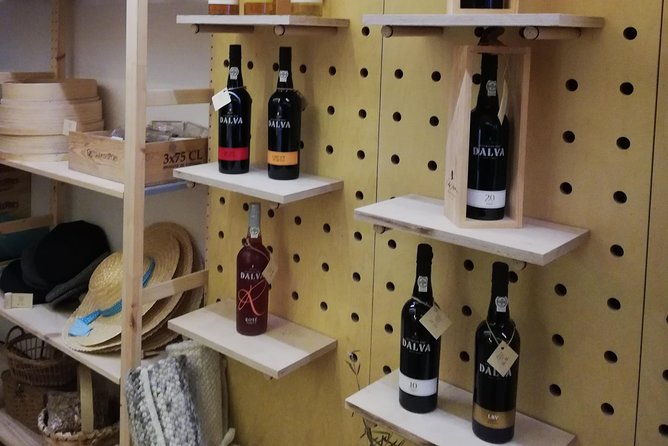
The experience is priced and presented around three table wines, five Port wines, and tapas. That sounds like a strong package for $78.60 per person, especially because you also receive a private guide and a city walk.
The important qualification is consistency. The route details clearly describe a first tasting on Rua de Sant’Ana and a final tasting of five Ports at Lado Wines. They do not give a full breakdown of three separate table wine pours or visits to several named wine houses.
That difference matters if you are booking specifically to visit multiple Port lodges in Gaia. Some people received a cultural walk, a tasting at a food shop or similar venue, and the final five Port samples. The guide still provided wine and tapas, but the structure did not match the expected cellar-to-cellar format.
I would contact Portugal With A Local before paying if the three table wines and several wine-house visits are essential to you. Ask these direct questions:
- Where are the three table wines served?
- Are there visits inside more than one Port house?
- Is the five-Port tasting always held at Lado Wines?
- What tapas are included?
- Does the tour end inside the cellar, or outside on Avenida de Diogo Leite?
Those questions do not diminish the experience. They simply protect you from paying for a more formal winery program when the day may be primarily a guided walk with two tasting locations.
Is $78.60 good value for two to three hours?
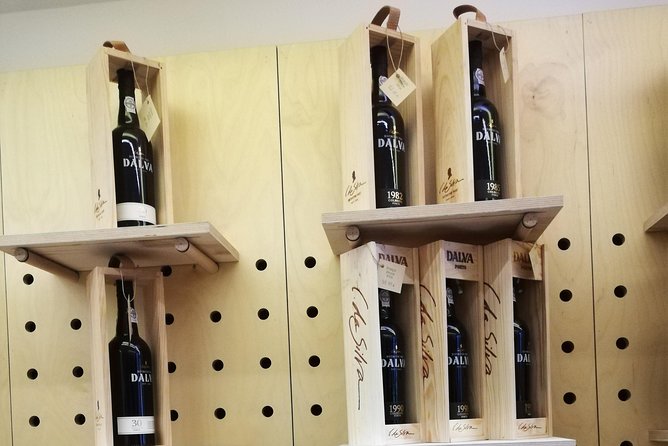
At $78.60 per person, this is not the cheapest way to sample Portuguese wine. The price makes more sense if you value a private guide, a city walk, several alcohol tastings, tapas, and the chance to ask questions without a large group around you.
For a couple or small private group, the price can be fair. You are paying for the guide’s time and the convenience of a planned route, not only for the liquid in the glasses. The personal format is especially useful if one person in your group is curious about history, food, or the details of Port production.
The value is weaker if you only want a cellar tasting. Gaia has many wine lodges, and a simple tasting elsewhere may cost less. You are also not getting a full-day trip into the Douro Valley, vineyard visits, or a large meal. This is a Porto orientation with wine, not a country wine tour.
Group discounts are available, and the tour is offered in English. Confirmation arrives at booking, and most people can take part. Public transport is nearby. Free cancellation is available up to 24 hours before the start time, but changes or cancellations inside that window are not accepted.
Who will enjoy this private Porto outing?
I would recommend it to a first-time visitor who wants the city and its wine explained together. It works particularly well for couples, families of adults, or friends who prefer conversation over a large scheduled group.
It also suits you if you are unsure how Port fits into Portuguese wine. The guide can help connect the streets, river, boats, cellars, brands, and tasting notes. That context is more useful than tasting five Ports in isolation.
You may want another experience if your main goal is a detailed producer tour. This outing does not promise vineyard access, a Douro Valley drive, lengthy cellar tours, or a full meal. It is also not ideal if you dislike walking on older streets or want a rigid tasting list with every bottle confirmed in advance.
The private format gives you room to shape the conversation, but not necessarily the schedule. The guide has a planned route, and the tour lasts only two to three hours. Use the time well by asking early what wines and venues are planned.
My call: book it for personal guidance, but confirm the wine stops
I would book this experience if I wanted a short, friendly introduction to Porto’s wine culture and liked the idea of ending in Gaia. The route links important places, the private guide adds flexibility, and the combination of table wine, Port, tapas, and city history is appealing.
I would not book it without clarification if I had chosen it specifically for three table wines and visits to three wine houses. The clearest strength is the guide-led walk with tastings, while the cellar-hopping format may vary.
Ask about the exact stops before booking. If the plan matches your expectations, $78.60 can be reasonable for a private two to three hour introduction. If not, choose a dedicated Port cellar tour and keep this experience in mind for its Porto history, river views, and personal guiding.
FAQ
How much does the tour cost?
The price is $78.60 per person.
How long does the experience last?
The tour lasts approximately two to three hours.
Where does the tour begin?
It begins at Porto Cathedral, at Terreiro da Sé, 4050-573 Porto. The guide meets you in front of the cathedral, facing the main facade.
Can I arrange hotel pickup?
Pickup from a Porto hotel is offered. You can also ask the operator about another meeting point.
Where does the tour end?
The experience ends at a Port wine cellar on Avenida de Diogo Leite in Vila Nova de Gaia.
How many Port wines are included?
The final tasting includes five Port wines per person.
Are table wines included?
The experience is presented as including three table wines, along with five Port wines and tapas. Confirm the exact table wine stops with the provider before booking.
Is this a private tour?
Yes. Only your own group takes part in the activity.
Is the tour offered in English?
Yes, the experience is offered in English.
Can I cancel for a full refund?
You can cancel up to 24 hours before the start time for a full refund. Cancellations or changes made less than 24 hours before the start are not accepted.
What happens if the weather is poor?
The experience requires good weather. If poor weather causes cancellation, you will be offered another date or a full refund.
Just added around Portugal
- Sunset Hike, Tapas & Wine at Secret Beach★ 5.0 · 28 reviews
- Sintra Food & Wine Experience – Tapas, Tastings & Culture★ 4.5 · 17 reviews
- Private Sunset Hike, Tapas & Wine at Secret Beach★ 5.0 · 2 reviews
- Wine, Tapas and Winery Tour★ 5.0 · 2 reviews
- Chef Led Porto Market Tour and Portuguese Tapas Class with Wine★ 5.0 · 92 reviews
- Fado nights with Algarvian tapas tasting★ 5.0 · 11 reviews
- PREMIUM TASTING and TAPAS with GUIDED TOUR★ 5.0 · 66 reviews
- Private tapas tuk tuk tour through Lisbon★ 5.0 · 12 reviews
Porto Tapas Tours, compared.
Porto Wine Tasting Experience with Portuguese Tapas Plate
Read our review →Porto Wine Tasting Experience with Portuguese Tapas Plate
Read our review →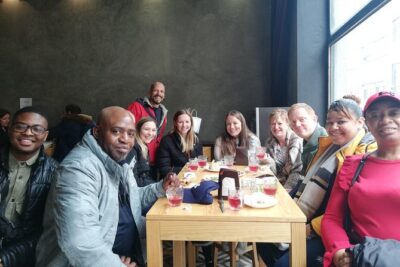

Chef Led Porto Market Tour and Portuguese Tapas Class with Wine
Read our review →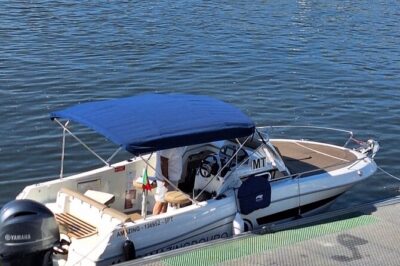
Private 6 Bridges Cruise with Tapas and Port Wine
Read our review →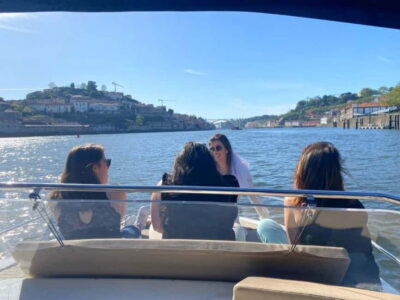
Private Boat Tour in Porto with Portuguese Tapas Option
Read our review →Browse the lists this tour appears in