
Review · BARCELONA TAPAS TOURS
Barcelona Gothic Quarter’s Deepest Secrets & Sangria
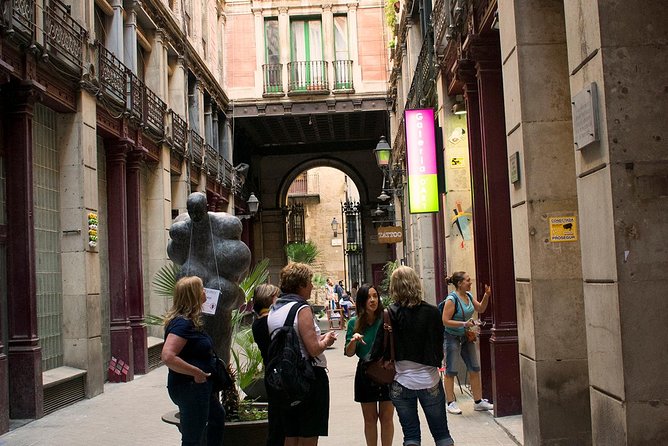
Barcelona’s old center is best understood on foot, and this tour takes you from Roman ruins and medieval churches to Civil War sites, art-school stories, and the beach. The route is not just a postcard stroll. It connects the city’s oldest layers with its more recent political and artistic past.
I like the small maximum of 15 people, which gives you room to ask questions in narrow lanes. I also like the useful local guidance, from chocolate shops on Carrer Petritxol to restaurants around Barceloneta. The main consideration is simple: this is a long walking tour with many stops, and the advertised three hours can feel full if you want to linger at every sight.
Key points to know before you book
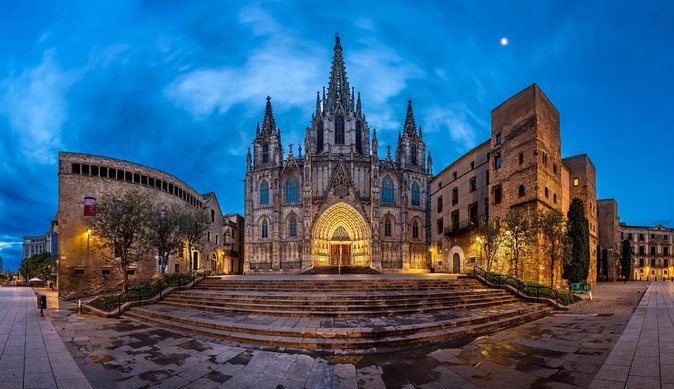
- Roman Barcelona and medieval streets: See fragments of the Roman wall, ancient ruins, the Jewish quarter, and major Gothic churches.
- A history-heavy walking route: Expect stories about Barcelona from Roman times through the Spanish Civil War and into the modern city.
- Small-group feel: The group can include up to 15 people, though some departures may be much smaller.
- Guides with strong personalities: Juliana, Valentina, Sabrina, Daniel, and other guides are specifically associated with highly praised departures.
- Sangria near the waterfront: The walk finishes at Port Vell, with sangria included and Barceloneta nearby.
- Best early in your visit: The route helps you get oriented and gives you ideas for restaurants, sights, and later exploring.
A first walk through Barcelona’s oldest streets
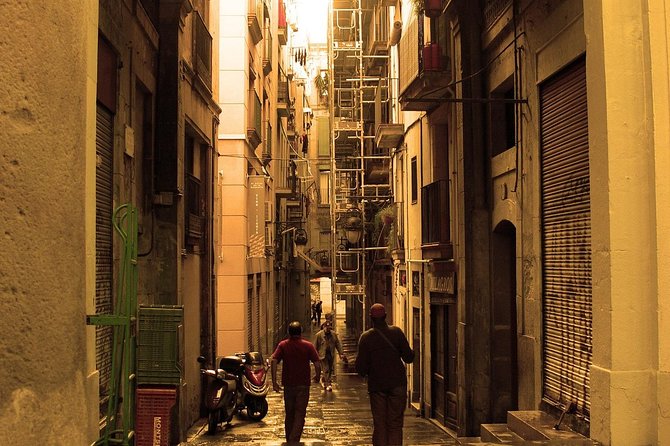
The tour begins at Café Zurich on Plaça de Catalunya, a handy central meeting point between the Eixample and the old city. From there, you move down Las Ramblas and into the tighter streets of the Barri Gòtic.
This opening is useful because Barcelona can feel confusing at first. Plaça de Catalunya is broad and easy to find, while the Gothic Quarter quickly turns into a web of alleys and small squares. A guide helps you understand the shape of the area before you start wandering on your own.
The route covers a surprising range of subjects. You will hear about the Roman foundation of Barcelona, the medieval Jewish quarter, Catalan government, religious life, the Spanish Civil War, modern art, and the city’s connection to the sea. That breadth is the tour’s greatest strength, but it also means the stops are often brief.
More Sangria and Tapas Tours in Barcelona
- Barcelona Paella Cooking Class with Market Visit, Tapas & Sangria
★ 5.0 · 2,531 reviews - Barcelona Food Tour: Tapas, Paella, Sangria & 8+ Local Tastings
★ 5.0 · 1,275 reviews - Barcelona: Rooftop Salsa Class with Bottomless Sangria
★ 4.7 · 157 reviews
Plaça de Catalunya and Las Ramblas
The first formal stop is Plaça de Catalunya, where the guide introduces the route and sets the historical stage. The square is not part of the medieval Gothic Quarter, but it is the natural hinge between central Barcelona’s newer avenues and the old city.
You then head along Las Ramblas, Barcelona’s most famous street. The walk gives you context for this broad, tree-lined avenue before you leave it for quieter lanes. You will also pass the Boqueria Market area, one of the city’s key food landmarks.
Do not expect a market tour or a long food tasting here. The value is orientation. You learn where Las Ramblas fits into the city, then turn toward smaller streets where the history is easier to miss.
Carrer Petritxol and Santa Maria del Pi
Carrer Petritxol is known as Barcelona’s sweetest street, and the route uses it as a pleasant change of pace after Las Ramblas. The street is associated with chocolate and traditional sweets, so it is a good place to note for a later snack or souvenir.
The Basilica of Santa Maria del Pi follows. This Gothic church gives you a strong sense of the quarter’s religious architecture, even though the general admission ticket is not included. The stop listed for the church is short, so the focus is likely on the exterior and the surrounding street rather than a full interior visit.
That distinction matters. If you want to tour the church at length, you will need to allow separate time and check admission details. This experience is designed to show you many places from the outside, with interpretation linking them together.
Barcelona Cathedral and the medieval center
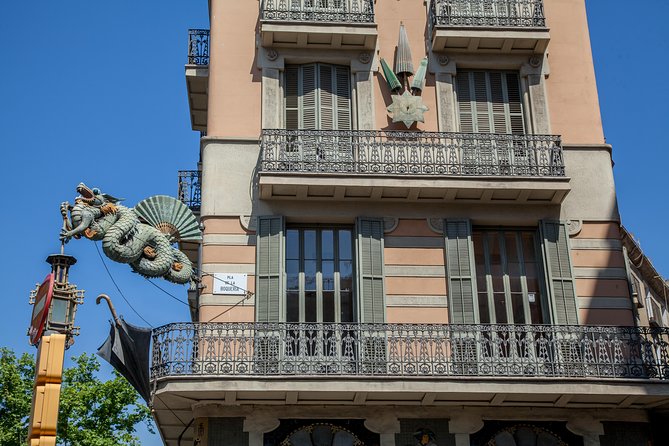
Barcelona Cathedral is another major Gothic landmark. The guide uses it to explain the religious and social importance of the old city, along with details that are easy to overlook when you visit alone.
One especially useful detail concerns the cathedral’s famous thirteen geese. A guide such as Juliana can explain the meaning behind them and point out figures and shrines that might otherwise seem like decoration. The cathedral admission is not included, so plan on a separate visit if you want to go inside.
The route also passes the city archive connected with the Crown of Aragon. This adds political context to the churches and lanes around it. Barcelona’s old center was not just a maze of pretty buildings. It was a place where religious, civic, commercial, and royal power met in a very small area.
Same city, a different plate:
- Montserrat Half-Day Tour with Tapas and Gourmet Wines
★ 5.0 · 7,359 reviews - Montserrat & Cogwheel Train, Gourmet Wine Tasting & Tapas/Lunch
★ 5.0 · 6,290 reviews - Barcelona Tapas and Wine Experience Small-Group Walking Tour
★ 5.0 · 5,804 reviews - Montserrat with Black Madonna & Medieval Winery with Tapas/Lunch
★ 5.0 · 5,209 reviews
Roman walls and the Jewish quarter
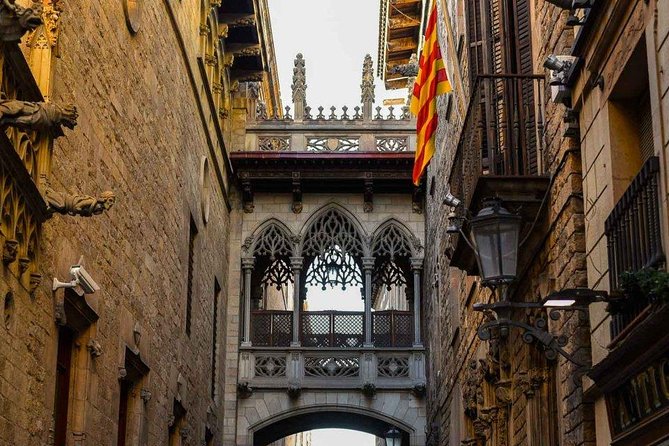
The Roman remains are among the most rewarding parts of the walk. You see sections of the original Roman wall and ancient ruins tucked into the modern city. These are easy to pass without a guide because they are mixed into later buildings and streets.
The Jewish quarter adds another layer. The route includes the synagogue area and explains the Jewish presence in medieval Barcelona. The subject also requires care, since the quarter’s story involves both community life and periods of persecution. A good guide can help you see the streets as more than atmospheric scenery.
This is one reason I would take the tour early in a Barcelona stay. Once you understand the Roman and medieval layers, later walks through the quarter become more meaningful. You start noticing stonework, street lines, and small remnants that can look random at first.
Plaça Sant Jaume and the city’s political past
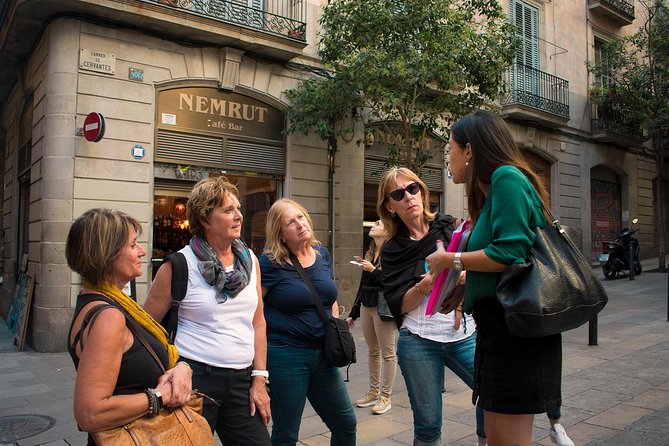
Plaça Sant Jaume is the government square of Barcelona and one of the route’s clearest links between old history and present civic life. The guide explains how the square functions as a political center and why it remains important.
The tour then reaches Plaça Sant Felip Neri, one of the most emotionally serious stops. It is connected with the Spanish Civil War, and the square’s quiet appearance contrasts with the painful events associated with it.
This portion gives the walk more weight than a standard sightseeing circuit. You are not hearing only dates and architectural labels. You are also being shown how conflict shaped the city and how traces of that past remain visible in ordinary public spaces.
Art, Picasso, Miró, and Gaudí’s early work
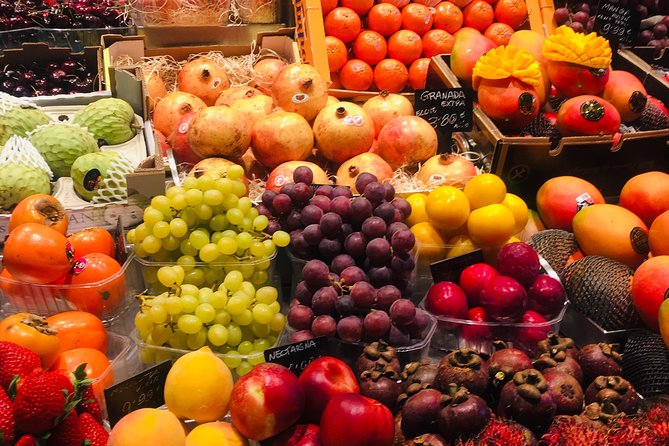
Barcelona’s artistic reputation is not limited to Gaudí’s famous buildings. The route points out the Royal Artistic Circle of Barcelona, associated with Gaudí’s first work of art, and an arts school where Picasso studied. It also includes references to Joan Miró and Salvador Dalí, who studied there as well.
The Picasso connection is particularly rewarding if you like finding art history in plain sight. One detailed account describes seeing actual Picasso art during the walk, which shows the sort of small surprise that can make a guided route worthwhile.
The stop at the arts school is brief, so do not book this expecting a full museum visit or a detailed survey of Spanish modernism. Instead, you get a set of connections between the streets you are walking and the artists who passed through them.
Plaça George Orwell and the Civil War
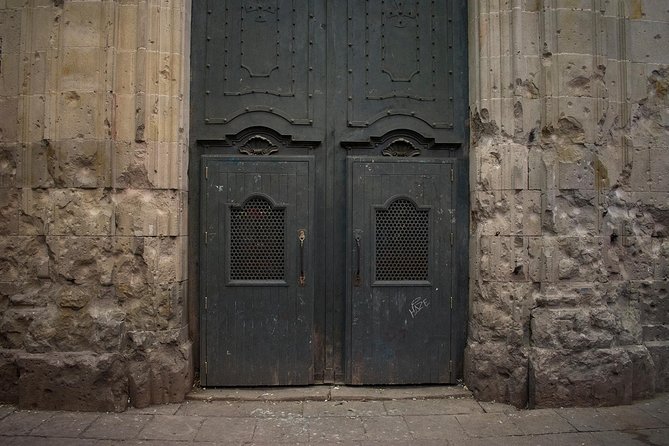
Plaça George Orwell, often called Plaça Tripi, brings the tour into a more modern and informal part of the old city. Its connection with George Orwell and the Spanish Civil War gives the guide another chance to explain Barcelona’s political divisions and the international attention they received.
This is a good example of the route’s range. You begin with Roman walls, pass through medieval religious streets, and later discuss a twentieth-century writer and wartime Barcelona. The experience works best if you enjoy seeing how one city changes across centuries rather than focusing on one period alone.
Barceloneta, the port, and the sangria finish
The route continues toward Barceloneta and the waterfront, ending at Port Vell. This is a substantial walk from the inland Gothic Quarter, so wear comfortable shoes and expect to be on your feet for much of the three hours.
The beach and port section gives the tour a different mood. You finish with Barcelona’s maritime identity in view, rather than ending among churches and narrow lanes. The contrast helps explain why the city feels both medieval and coastal.
Sangria is included at the end. It gives you time to sit down, talk with the guide, and ask for practical suggestions. You may get advice about restaurants, later sightseeing, or how to handle the city’s central districts. One detailed account specifically recommends Pasa Tapas Barceloneta and describes the sangria and food there warmly, but confirm the exact venue with the guide because meeting arrangements can change.
The sangria is more than a drink added to the booking. It is the social finish that turns a history walk into an evening introduction to Barcelona. Still, do not assume that a full meal or tapas spread is included. The stated inclusion is sangria, not dinner.
How the small group changes the experience
The maximum group size is 15. That matters in the Gothic Quarter, where narrow streets and busy squares can make large groups hard to hear and harder to keep together.
A small group also lets the guide adjust the pace. Several departures have been led by Juliana or Julianna, while Valentina, Sabrina, Daniel, and Angelina are also named as guides. The strongest descriptions focus on storytelling, humor, patience, and the ability to answer many questions.
Some departures can be especially intimate. One booking had only two people, turning the experience into something close to a private walk without the full private-tour price. You should not count on that, but the small-group limit gives you a better chance of speaking with the guide than a large coach tour would.
The tradeoff is that the experience depends on the individual guide. The repeated praise for Juliana and Valentina suggests strong guide performances, but your departure may have another member of the team. If guide personality matters greatly to you, check the booking details when possible.
Price, pace, and practical value
At $65.33 per person, this is not the cheapest way to see the Gothic Quarter. You can walk the streets for free, and many landmarks are visible without admission. The value comes from the guide’s interpretation, the route design, the small group, the local suggestions, and the included sangria.
For a first visit, that package can be worthwhile. You cover a broad part of the center in about three hours and finish near the water, rather than having to retrace your steps. You also get enough orientation to plan later visits to the cathedral, market, museums, and waterfront.
The route is not ideal if you want a slow architectural study. The itinerary contains many stops, with some listed at only four or five minutes. You will hear the main story at each place, take photos, and move on. If you stop often or ask many questions, the walk may run at a different pace than the schedule suggests.
Most people can take part, and the start is near public transportation. The tour is offered in English and uses a mobile ticket. Free cancellation is available up to 24 hours before the start time, while later cancellations and changes are not accepted. A minimum number of participants is required, so a departure can be canceled with an alternative date or a full refund if that minimum is not reached.
Who should book this Gothic Quarter walk?
I would choose this tour if you are visiting Barcelona for the first time, enjoy history told through streets and buildings, and want a useful introduction before exploring alone. It also fits couples, families with an older child interested in history, and anyone who prefers a small group to a large city tour.
It is a particularly good match for people who want practical help. Guides have assisted with restaurant ideas, onward sightseeing, and navigating the old city. The route can save you from getting turned around in the Gothic Quarter, where several streets look alike.
I would think twice if you dislike walking, want guaranteed interior visits, or prefer a single subject such as Gaudí, food, or the Civil War. The route touches all of those areas without giving any one of them the whole afternoon.
Should you book it?
Book this experience if you want a lively introduction to Barcelona’s oldest center, with Roman remains, Gothic churches, Jewish history, Civil War stories, art connections, and a drink at the end. Schedule it near the beginning of your stay, when the advice can shape the rest of your visit.
Skip it if you want a short, low-effort stroll or plan to spend most of your time inside major monuments. For most first-time visitors who enjoy walking and conversation, the combination of a small group, strong guide storytelling, and a Port Vell finish makes the $65.33 price reasonable.
FAQ
Where does the Barcelona Gothic Quarter tour begin?
The tour begins at Café Zurich, Plaça de Catalunya 1, in Barcelona.
Where does the tour end?
The walk ends at Port Vell in the Ciutat Vella district.
How long does the experience last?
The experience lasts approximately three hours.
Is sangria included?
Yes. Sangria is included as part of the experience at the end of the walk.
What language is the tour offered in?
The tour is offered in English.
How large is the group?
The tour has a maximum of 15 participants. Some departures may be much smaller.
Are attraction admission tickets included?
The professional guide, sangria, and small-group tour are included. Admission to Santa Maria del Pi and Barcelona Cathedral is not included, while the other listed stops are shown as free.
Just added around Barcelona
- Barcelona Sailing Experience: Spanish Tapas and Premium Open Bar★ 4.5 · 34 reviews
- Barcelona: Guided Rooftop Wine Tasting – Enjoy 6 Spanish Wines★ 4.5 · 61 reviews
- Vermouth in Catamaran A gastronomic experience in Barcelona★ 5.0 · 5 reviews
- Wine & Cava Penedes Tour: Wineries, Wine Tasting and Tapas★ 5.0 · 5 reviews
- Vermouth Tasting and Crafting in Barcelona★ 5.0 · 4 reviews
- Barcelona: Bike or eBike Tour, Top Sights & Local Insights★ 5.0 · 47 reviews
- Rooftop Paella Seafood Cooking Class Experience in Barcelona★ 5.0 · 59 reviews
- Tarragona Culinary Experience: Olive Oil & Iberian Ham Delight★ 5.0 · 8 reviews
Barcelona Tapas Tours, compared.

Montserrat Half-Day Tour with Tapas and Gourmet Wines
Read our review →
Montserrat & Cogwheel Train, Gourmet Wine Tasting & Tapas/Lunch
Read our review →
Barcelona Tapas and Wine Experience Small-Group Walking Tour
Read our review →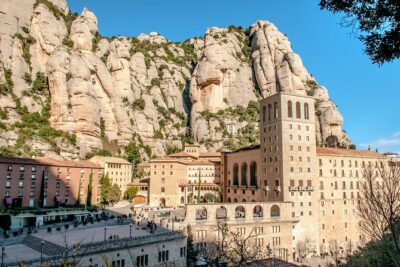
Montserrat with Black Madonna & Medieval Winery with Tapas/Lunch
Read our review →
Montserrat and Winery Tour with Tapas or Lunch
Read our review →
Tapas Walking Tour with Food, Wine, and History
Read our review →
Paella Cooking Experience & Boqueria Market Tour
Read our review →
Barcelona Paella Cooking Class with Market Visit, Tapas & Sangria
Read our review →Browse the lists this tour appears in