
Review · BARCELONA TAPAS TOURS
High-End Vineyard Escape: Cava, Tapas & Wine | Private Tour
The best part of this six-hour escape is the chance to trade Barcelona’s city streets for small family wineries where the owners still care about the soil, the cellar, and the bottle in your glass. At Ca n’Estella, you may eat Catalan tapas on the veranda of the Vidal family home, an 18th-century masia, while tasting cava made on the estate.
I like the private pickup and drop-off, which removes the trouble of finding a rural winery or assigning a driver. I also like the contrast between the two stops: sparkling cava at Ca n’Estella and the family-owned Oller del Mas, where local identity and old traditions shape the visit.
The main consideration is the price, $598.87 per person. That is a serious splurge for six hours, and the day includes two wineries rather than a long list of tasting rooms. If you want a fast-paced wine crawl, this may feel too slow. If you want comfort, personal attention, and a relaxed countryside outing, the cost makes more sense.
Key points to know before you book
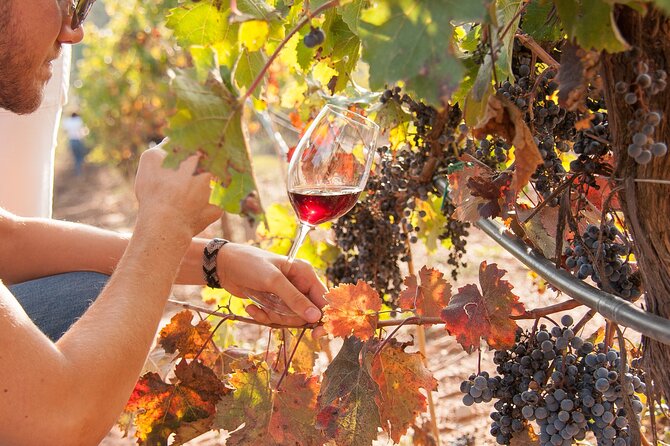
- Private hotel pickup in central Barcelona: You ride in an air-conditioned vehicle with your own group, without worrying about driving after several tastings.
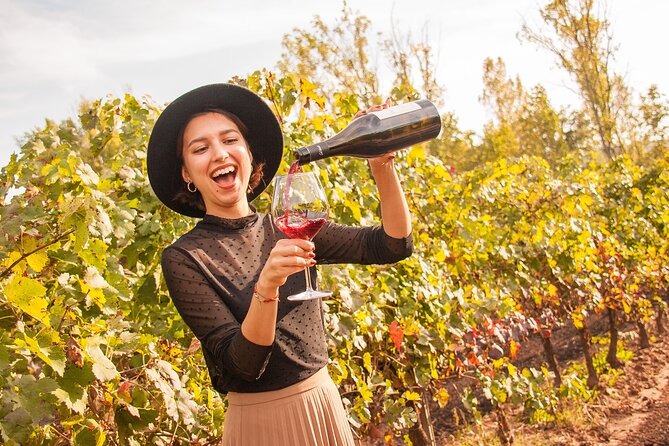
- Ca n’Estella feels personal: This small winery serves food on the family veranda and produces award-winning Rabetllat i Vidal cavas and Clot dels Oms wines.
- Two different winery experiences: You visit two family-owned cellars and sample up to eight wines and cavas, subject to the day’s arrangements.
- The guide shapes the day: Guides such as Pol, Toni, Javier, Jon, Clara, and others have been praised for their wine knowledge, humor, and local insight.
- The food is Catalan and generous: Expect cured meats, local cheeses, pa amb tomàquet, empedrat, olive oil, and a Catalan sweet.
- Small wineries are the point: This is not a large commercial cellar tour. The scale brings warmth, but it also means less production spectacle and possibly less wine than some people expect.
Leaving Barcelona for Catalonia’s wine country
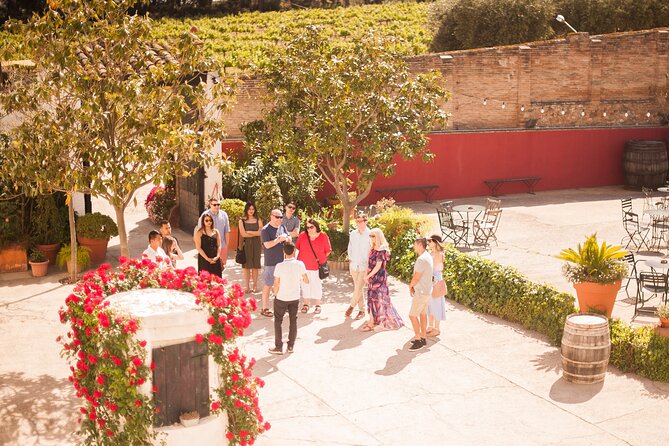
The tour starts with pickup at your hotel or private accommodation in central Barcelona. Pickup from the cruise port or airport is not included, so you need to arrange your own way to the city meeting point if you are arriving by ship or plane.
The drive matters here. You are not simply being shuttled to a tasting room. Your English-speaking guide can explain Barcelona, the surrounding wine areas, and the local traditions as the city gives way to open countryside. Guides named in past experiences include Pol, Toni, Javier, Jon, Victor, Ana, Carol, Clara, Albert, Alex, Aurora, Marcel, and Simon. The exact guide varies, but the strongest pattern is clear: the guide is a major part of the experience.
A private vehicle also lets the day feel less like a group transfer. You can ask questions, talk about the wines you prefer, and move at a more natural pace. That does not mean every minute is completely free-form. The wineries set the rhythm, and the company can change the order of visits when needed.
Plan on comfortable shoes. There is some walking, and winery temperatures can be more extreme than those in Barcelona. A light layer is useful even on a warm city day.
More Tapas and Wine Tours in Barcelona
- Montserrat Half-Day Tour with Tapas and Gourmet Wines
★ 5.0 · 7,359 reviews - Montserrat & Cogwheel Train, Gourmet Wine Tasting & Tapas/Lunch
★ 5.0 · 6,290 reviews - Barcelona Tapas and Wine Experience Small-Group Walking Tour
★ 5.0 · 5,804 reviews
Ca n’Estella, cava in a family setting
Ca n’Estella is the most distinctive stop on paper, and likely the emotional center of the outing. The estate is built around an 18th-century masia, the traditional Catalan country house. The Vidal family has owned the property for three generations, and Anna Vidal currently manages the winery.
The visit combines a look at winemaking with a meal on the veranda of the family home. That setting gives the stop a personal feel that large wineries cannot easily copy. You are not just entering a tasting room designed for bus groups. You are being welcomed into the setting where the family lives and works.
The winery makes Rabetllat i Vidal cavas and Clot dels Oms wines. Those labels have earned more than a hundred awards in Spanish and international competitions, including a Best Chardonnay of the World prize for the 2011 Gran Clot dels Oms Chardonnay. Awards do not tell you whether every bottle will match your taste, but they do show that this is a serious small producer rather than a decorative stop added for scenery.
Expect an explanation of the region and the family’s story, followed by a selection of cava and local food. The full tasting across the day can include up to eight wines and cavas, though the exact number and order may vary.
The food is substantial enough to function as lunch. The published menu includes Catalan Iberian cured meats, local organic cheeses, empedrat, extra virgin olive oil, and pa amb tomàquet. Dessert may be a slice of Massini cake or catanies, Catalan chocolate-covered almonds.
Vegetarian, vegan, and gluten-free choices are available, but tell the operator in advance. The kitchen at a small winery may not work like a hotel buffet, so clear communication matters.
One practical caution: the tapas are part of the winery’s hospitality, not a restaurant meal prepared by a dedicated chef. The food can be a lovely match for the wine, but if you expect polished fine dining, adjust your expectations. The appeal is the setting and the local character.
Oller del Mas and the second side of Catalan wine
Oller del Mas gives the day a useful contrast. The experience centers on family ownership, local identity, the surrounding territory, and a long commitment to making wine in the area. The stop lasts about two hours, which gives the guide time to explain the production process rather than rush you through a few pours.
This is where the tour works best for someone who wants context. You can compare a small producer’s cava-focused approach with still wines from another family cellar. The differences in grape varieties, methods, and taste are more useful than simply collecting a higher number of winery stamps.
The scenery adds to the pleasure. The road between the wineries passes through attractive countryside, and some guides point out regional sights along the way. One account describes a route past the Montserrat mountains and the regional capital, with the guide explaining what appeared outside the vehicle. The exact route can change, but the drive is part of the day rather than dead time.
Oller del Mas may not suit every palate. Some of the still wines can taste very different from what you prefer, and that is a benefit if you approach the tasting as a comparison rather than a search for a guaranteed favorite. You are sampling local styles, not ordering from a familiar wine list.
The tour’s appeal is also its restraint. Two wineries allow you to remember the names, ask questions, and notice differences. The drawback is equally plain: anyone expecting four or five cellars, a large number of pours, or a full day of constant tasting may find the schedule light for the price.
What the wine tasting really includes
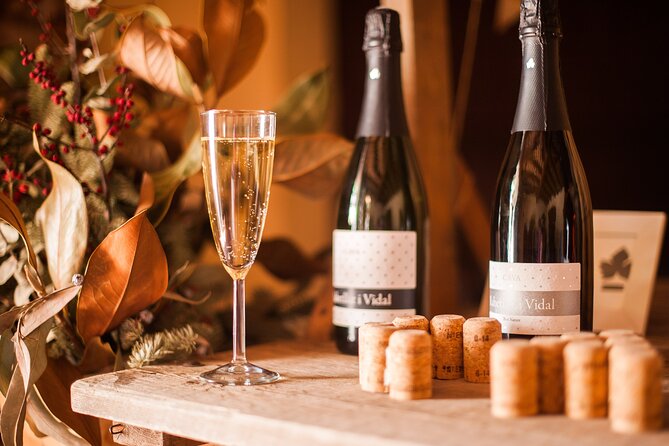
The package includes samples of up to eight high-quality wines and cavas. A past tasting described three cavas and four still wines, which gives you a reasonable idea of the scale, though it is not a fixed guarantee.
That amount is enough for a serious introduction without turning the afternoon into a blur. You can focus on the aroma, sweetness, acidity, bubbles, and finish, then compare what you tasted at one winery with the next. Your guide can explain the local winemaking process and answer questions about the styles being poured.
The wording up to eight matters. Do not book this expecting a guaranteed eight-glass flight every time. The exact wines, number of samples, and order depend on the cellar and the day.
The experience also assumes you want to learn as well as drink. Some people have found the explanations especially rewarding, while others have wanted less standing and more tasting. I would choose this tour for a curious drinker, not for someone who wants to race from bottle to bottle.
Because transport is included, you can taste without planning a designated driver. That is one of the strongest practical reasons to consider the private format. The vehicle also has air conditioning, which helps on the ride back to Barcelona.
More Tapas and Wine Tours in Spain
- Montserrat with Black Madonna & Medieval Winery with Tapas/Lunch
★ 5.0 · 5,209 reviews - Barcelona: Montserrat and Winery Tour with Tapas or Lunch
★ 4.8 · 4,695 reviews - Barcelona: Tapas Walking Tour with Food, Wine, and History
★ 4.8 · 4,261 reviews - Barcelona: Food Walking Tour with Tapas and Wine
★ 4.9 · 2,180 reviews
Why the private format matters at this price
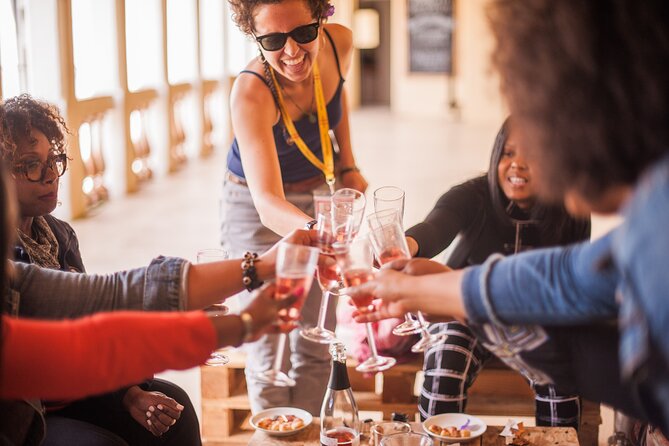
At $598.87 per person, this tour is not a bargain wine excursion. You are paying for a private activity, a dedicated English-speaking guide, transportation, hotel pickup and drop-off in central Barcelona, two winery visits, food, and the ability to keep the day within your own group.
The value depends heavily on your group size. For a couple, the cost is steep. For a family or group of friends, the private vehicle and personal service may make more sense, especially if you value comfort and dislike joining a large bus outing.
The private format also gives you room to ask practical questions. You can ask how cava differs from other sparkling wines, why a bottle tastes the way it does, or what to look for when buying a bottle to take home. Guides such as Javier, Pol, Toni, Jon, and Clara have been singled out for being friendly, entertaining, and strong on regional detail.
Still, private does not mean unlimited customization. The operator works with different low-production, family-owned wineries, and the exact cellars can change for logistical reasons. Ca n’Estella and Oller del Mas are the named examples, but another boutique winery may replace one of them.
That flexibility protects the operating schedule, but it means you should not treat the winery names as an absolute promise. Confirm the day’s plan if one particular cellar is your main reason for booking.
Food, pacing, and the feel of the day
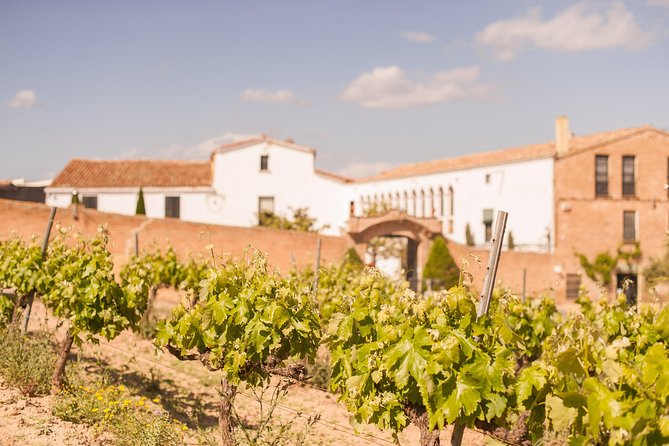
The meal is built around Catalan staples rather than a formal restaurant menu. Pa amb tomàquet is simple but central to local eating: toasted country bread rubbed with fresh tomato and finished with olive oil. The cured meats and cheeses provide familiar pairings, while empedrat adds a bean-based vegan option.
The menu is designed to support the tasting, not overpower it. Portions are described as plentiful, and the meal gives you a useful break between explanations and pours. If you prefer to taste first and eat later, the timing may not suit you. At Ca n’Estella, the food is tied closely to the winery visit and family setting.
The pace is generally relaxed. Each winery receives about two hours, which can feel generous if you like conversation and process. It can feel drawn out if you want nonstop activity. You will spend time standing, walking, listening, tasting, and eating, so comfortable clothing helps.
The countryside setting is a strong reason to leave Barcelona for the day. You see a quieter side of Catalonia, with old farmhouses, vineyards, and rural roads replacing city blocks. The tour does not promise a major sightseeing circuit, so you should not choose it as a substitute for a full Montserrat visit or a broader regional tour.
What could disappoint you
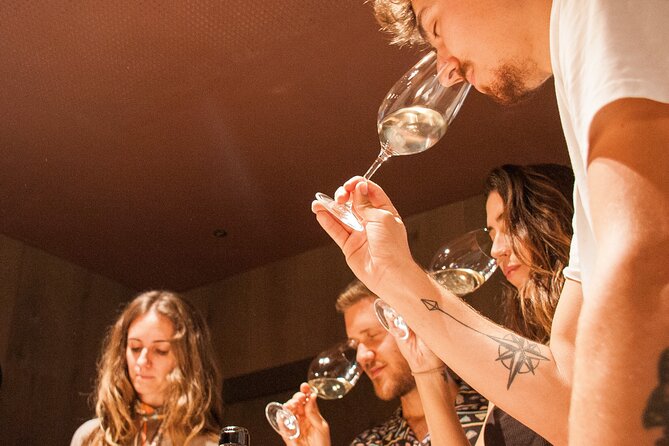
The price is the clearest concern. At nearly $600 per person, you should be comfortable paying for service and privacy, not simply for the quantity of wine.
The number of wineries is another issue. Two stops are enough for depth, but not for variety on a wine-tour checklist. If your main goal is to taste as many producers as possible, a group tour or another format may give you more pours for less money.
The food may also divide opinion. The ingredients are local and the setting is special, but this is not a chef-led tasting menu. Think generous country fare served alongside wine.
Finally, the listed wineries may change. The company works daily with different boutique producers, and operational needs can alter the order or substitute another cellar. That is reasonable for a small-scale operation, but you should book for the style of experience rather than one guaranteed building.
Who should book this private wine escape?
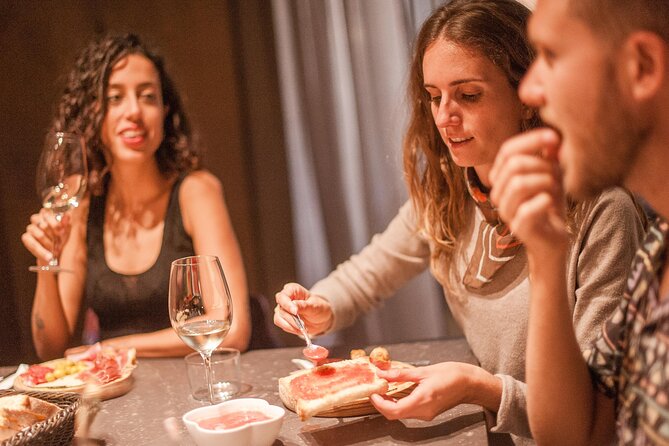
I would recommend it to couples, families, or friends who want a comfortable day outside Barcelona and care more about personal attention than maximum tasting volume. It suits people who enjoy food, regional stories, and small producers.
It is also a smart choice if nobody in your group wants to drive. The hotel pickup, air-conditioned vehicle, and return to your accommodation remove several chores from a wine day.
I would hesitate if you are watching your budget, want a large formal winery with extensive facilities, or measure value by the number of bottles opened. You may prefer a less expensive group outing.
The satisfaction of this experience comes from the setting: a family veranda, Catalan food, quiet country roads, and guides who can make the wine understandable without turning the day into a lecture. If that sounds like your kind of afternoon, the splurge can be worthwhile. Free cancellation is available up to 24 hours before the start time, which gives you some planning flexibility.
FAQ
Is hotel pickup included?
Yes. Pickup and drop-off are included from hotels and private accommodations in central Barcelona. Pickup from the cruise port or Barcelona airport is not included.
How long does the tour last?
The experience lasts approximately six hours. The two winery visits are scheduled for about two hours each, with driving time between Barcelona and the cellars.
How many wineries will I visit?
You will visit two family-owned wineries. Ca n’Estella and Oller del Mas are the named wineries, but the operator may substitute another low-production boutique cellar for logistical reasons.
How many wines and cavas are included?
The tour includes samples of up to eight wines and cavas. The exact number and selection can vary by winery and by day.
Is food included?
Yes. The meal includes Catalan cured meats, local organic cheeses, empedrat, olive oil, pa amb tomàquet, and a dessert such as Massini cake or catanies. Vegan, vegetarian, and gluten-free options are available.
Is this a private tour?
Yes. Only your group participates in the private activity, with a dedicated English-speaking guide and private transportation.
Just added around Barcelona
- Barcelona Sailing Experience: Spanish Tapas and Premium Open Bar★ 4.5 · 34 reviews
- Barcelona: Guided Rooftop Wine Tasting – Enjoy 6 Spanish Wines★ 4.5 · 61 reviews
- Vermouth in Catamaran A gastronomic experience in Barcelona★ 5.0 · 5 reviews
- Wine & Cava Penedes Tour: Wineries, Wine Tasting and Tapas★ 5.0 · 5 reviews
- Vermouth Tasting and Crafting in Barcelona★ 5.0 · 4 reviews
- Barcelona: Bike or eBike Tour, Top Sights & Local Insights★ 5.0 · 47 reviews
- Rooftop Paella Seafood Cooking Class Experience in Barcelona★ 5.0 · 59 reviews
- Tarragona Culinary Experience: Olive Oil & Iberian Ham Delight★ 5.0 · 8 reviews
Barcelona Tapas Tours, compared.

Montserrat Half-Day Tour with Tapas and Gourmet Wines
Read our review →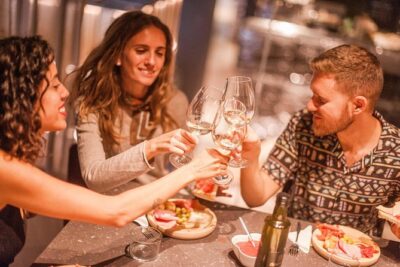
Montserrat & Cogwheel Train, Gourmet Wine Tasting & Tapas/Lunch
Read our review →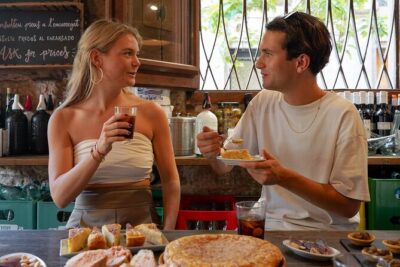
Barcelona Tapas and Wine Experience Small-Group Walking Tour
Read our review →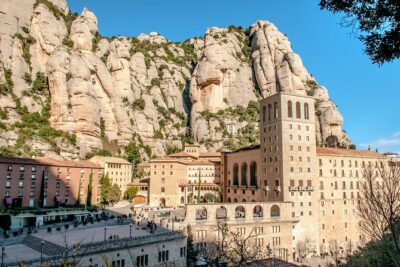
Montserrat with Black Madonna & Medieval Winery with Tapas/Lunch
Read our review →
Montserrat and Winery Tour with Tapas or Lunch
Read our review →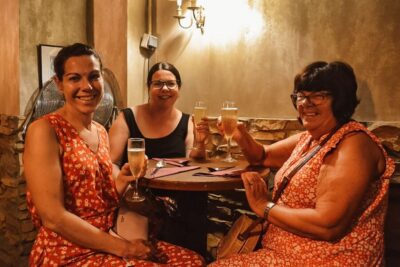
Tapas Walking Tour with Food, Wine, and History
Read our review →
Paella Cooking Experience & Boqueria Market Tour
Read our review →
Barcelona Paella Cooking Class with Market Visit, Tapas & Sangria
Read our review →Browse the lists this tour appears in