
Review · MADRID TAPAS TOURS
Learn to Make an Authentic Paella!
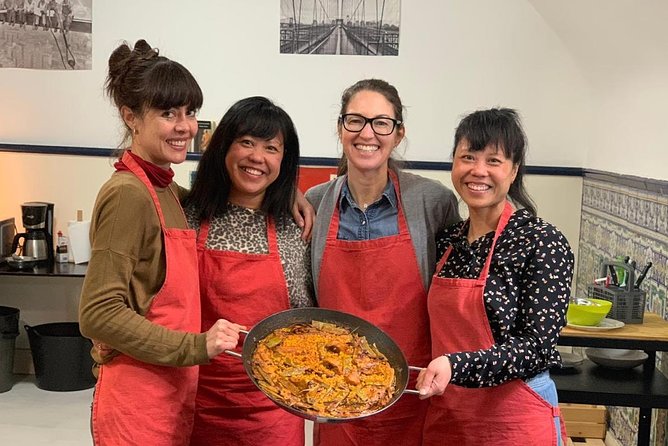
Paella is the point here, but the real treat is learning it in a local Madrid home, where cooking, conversation, and Spanish food culture come together. You make the dish with a small group, then sit down to eat the result instead of watching a chef work from a distance.
I like the maximum group size of 10, which gives the class a friendly, hands-on feel. I also like that drinks are included, from Rioja and sangria to beer and soft drinks. The main consideration is the price: at $86, this is not a cheap meal, so it makes the most sense if you want a cooking lesson and social experience, not just lunch.
Key points
- Cook Valencian paella in a Madrid home, not in a large restaurant classroom.
- Learn by taking part, then eat the paella your group helped prepare.
- Small groups of 10 or fewer keep the setting personal and social.
- Hosts such as Paloma and Pilar bring warmth and a strong interest in Spanish food.
- Rioja, sangria, beer, wine, and soft drinks are included with the meal.
- The 12:00 p.m. start and 2.5-hour length make this a useful midday activity.
Why this Madrid paella class feels different
Many food activities give you a taste of Spain. This one asks you to help make it. That small change matters. You are not simply handed a plate of paella and told about its ingredients. You spend time with the cooking process, ask questions, share tasks, and then taste the finished dish with the people around you.
The class takes place in a local home near central Madrid, at C/ de Hortaleza, 90. That setting gives the experience a more personal tone than a formal cooking school. You can expect a social gathering built around Spanish cuisine, with time to chat as well as cook.
The focus is classic Valencian paella. That is important because paella has many versions, and the class is meant to teach the methods behind a traditional style rather than offer a vague Spanish rice dish. You learn the secrets of the recipe from your host and get a clearer sense of why the dish can be difficult to prepare well.
The hosts named in the feedback, Paloma and Pilar, are praised for their warmth, hospitality, and passion for food. You may not meet both, but the tone to expect is friendly and personal rather than stiff or highly formal.
More Paella Cooking Classes in Madrid
- Spanish Cooking Class Paella Tapas and Sangria in Madrid
★ 5.0 · 1,340 reviews - Madrid: Paella and Sangria Workshop in the City Center
★ 4.9 · 1,264 reviews - Paella Cooking Class in Madrid with Bottomless Wine Pairing
★ 5.0 · 985 reviews
Meeting near Hortaleza at noon
The experience begins at 12:00 p.m. at C/ de Hortaleza, 90, in Madrid’s Centro district. The address is near public transportation, which helps if you are staying elsewhere in the city or plan to arrive by metro or bus.
Give yourself enough time to find the entrance and arrive ready to begin. Since the activity takes place in a home, the meeting point matters more than it would for a large restaurant. You should have the address open on your phone and allow a few extra minutes for Madrid streets, building entrances, and the usual city distractions.
The midday start fits the meal well. You are not rushing through breakfast, and you should finish in time to continue sightseeing later in the afternoon. At roughly two and a half hours, the class is long enough for cooking and conversation without taking over your entire day.
The activity ends back at the same meeting point. That makes planning easier. You do not need to arrange a separate ride after the meal or work out where the class finishes.
Starting with food, conversation, and Spanish drinks
The class is designed as a shared activity, not a silent demonstration. You cook as a group, get to know the other people in the room, and talk with your host while the dish comes together.
This is where the included drinks add real value. Rioja, sangria, beer, wine, and soft drinks are available with the meal. A glass of wine or sangria gives the class the feel of a Spanish social lunch, while soft drinks make the setup more flexible for people who do not drink alcohol.
The drinks also help create a relaxed pace. Paella needs attention, but the activity is not presented as a race. You have room to listen, ask questions, and enjoy the company. The host can explain food traditions and the background of the dishes while everyone works.
One of the strongest parts of the experience is this combination of instruction and hospitality. The cooking lesson gives the activity purpose, but the conversation keeps it from feeling like a technical workshop.
Learning the secrets of Valencian paella
The class centers on the parts of paella that are easy to get wrong. The supplied information does not give a step-by-step recipe, so you should not expect a printed list of exact measurements or a detailed menu in advance. What you do get is the chance to learn directly from a host who cares about proper preparation.
That matters because paella is often treated as a simple rice dish. It is not. The texture, timing, and balance of the finished meal depend on how the dish is handled from start to finish. Watching the process and helping with it can teach you more than ordering paella at a restaurant.
The Valencian focus also gives the lesson a clear identity. You are not signing up for a general Spanish cooking class with several unrelated recipes. The experience has one main goal: help you understand how to make a proper paella and why the method matters.
The hosts are described as passionate about both the food and the experience. Paloma is praised for being friendly, kind, and interested in explaining the history of the food and culture behind the dishes. Pilar is praised for providing proper paella along with genuine Spanish hospitality. Those details suggest that the class is as much about context and sharing as it is about stirring ingredients.
If you enjoy asking questions, this is likely to suit you. You can learn not only what goes into the pan, but also how paella fits into Spanish food culture. If you prefer a fast demonstration with little conversation, the social format may feel slower than you want.
Same city, a different plate:
- Madrid Tapas & Wine Tasting Walking Tour – Small Group Local Bars
★ 5.0 · 3,644 reviews - Madrid Tapas & Taverns Small Group Food & History Tour
★ 5.0 · 2,664 reviews - Madrid: Small Group of Prado Museum Tour & Optional Tapas
★ 4.6 · 2,437 reviews - Madrid: Tapas & Wine Tasting Tour with Local Guide
★ 4.8 · 2,171 reviews
Cooking with a group of 10 or fewer
A maximum of 10 participants is one of the best practical features. The group is small enough for the host to speak with people directly and for you to feel involved rather than lost at the back of a room.
The group size also shapes the social side of the class. You are cooking and eating with a limited number of people, so there is a better chance of conversation across the table. That can be especially useful if you are traveling alone or want an activity that brings you into contact with other people.
There is a tradeoff. A small group means the atmosphere can depend on the mix of people booked that day. If everyone is eager to talk, the experience may feel lively and warm. If you prefer privacy, a communal cooking class may ask more of you socially than a regular lunch.
Still, the group limit supports the main promise of the activity. You are there to cook together, not just watch. With 10 or fewer people, the class has a better chance of feeling like a shared meal in a home.
Sitting down to eat what you made
After the cooking portion, you sit down with the group and eat the paella you helped prepare. This is more satisfying than being served the final dish without seeing how it came together.
You also get a useful test of the lesson. The finished paella gives you a chance to notice the result of the techniques you have just learned. If the dish turns out well, you leave with a clearer idea of what proper paella should taste and feel like. If you plan to cook it at home, the meal can help you remember the process.
The experience description asks you to bring an appetite, and that is practical advice. The activity is built around a full shared meal, drinks, and conversation. Do not treat it as a quick tasting stop squeezed between major sights.
The meal is also where the Spanish hospitality element comes through most clearly. You help prepare the food, sit down with the group, and share the result. That simple rhythm feels closer to being welcomed into someone’s home than to ticking off another restaurant reservation.
Is $86 a fair price?
At $86, the cost is higher than a standard Madrid lunch. If you only want to eat paella, you can spend less elsewhere. The value comes from the complete package: a 2.5-hour activity, instruction, a meal, drinks, and a small-group setting in a local home.
I would compare the price to a cooking class plus lunch, not to a restaurant meal. You are paying for the host’s time, the teaching, the social setting, and the chance to take part in preparing the food. For people who enjoy food culture, that can make the price reasonable.
The included drinks also help. Rioja or sangria, along with beer, wine, and soft drinks, means you are not adding a separate bill for the usual meal beverages. That makes the total cost easier to judge before booking.
The price is less attractive if you are traveling on a tight budget or have already booked several food activities in Madrid. It is also not the right choice if your main goal is simply to eat a famous Spanish dish as quickly as possible.
Who will enjoy this cooking experience most?
I would recommend this class to food-focused visitors who want more than a restaurant meal. It suits couples, friends, solo visitors, and small family groups who enjoy cooking, conversation, and a relaxed midday plan.
It is also a good fit if you want a local activity that does not require a full day outside Madrid. The class lasts about two and a half hours and returns to the meeting point, leaving room for museums, shopping, or another part of the city afterward.
You should consider it if you like learning through participation. The appeal is not only the final plate. You help create it, hear about Spanish food culture, and share the meal with a small group.
The experience may not suit you if you dislike communal meals, do not want to cook, or need a tightly scheduled sightseeing plan. The exact cooking flow is not listed in detail, so you should be comfortable with a class that leaves some room for conversation and the host’s pace.
Practical details before booking
Confirmation is provided when you book, and the activity is near public transportation. The meeting point is in central Madrid, and the class begins at noon.
The maximum is 10 people, though the actual group may be smaller. The ticket is mobile, so you can keep the booking on your phone rather than print it.
Free cancellation is available if you cancel at least 24 hours before the local start time. Canceling within 24 hours does not qualify for a refund, and changes inside that window are not accepted. The activity also requires a minimum number of participants. If that minimum is not reached and the class is canceled, you are offered another date or experience, or a full refund.
Those rules are simple, but the 24-hour cut-off is firm. If your Madrid schedule is still shifting, wait until you can commit.
Should you book the Madrid paella class?
Book it if you want to understand paella through the people, process, and meal, not just order it from a menu. The small group, central location, included drinks, and local-home setting give the class a strong sense of value for visitors who enjoy food and conversation.
I would especially choose it for a midday Madrid plan with a free afternoon afterward. The main caution is the $86 price and the social format. If you want a quiet, inexpensive lunch, skip it. If you want to learn Valencian paella, meet a warm host such as Paloma or Pilar, and eat a dish you helped make, this is a well-focused choice.
FAQ
Where does the paella class begin?
The class begins at C/ de Hortaleza, 90, Centro, 28004 Madrid, Spain.
What time does the activity start?
The start time is 12:00 p.m.
How long does the paella experience last?
The activity lasts approximately 2 hours and 30 minutes.
How many people can join the class?
The experience has a maximum of 10 travelers.
Are drinks included?
Yes. Beer, wine, Rioja, sangria, and soft drinks are included with the meal.
What is the cancellation policy?
You can cancel at least 24 hours before the start time for a full refund. Cancellations or changes made less than 24 hours before the activity are not refunded or accepted.
Just added around Madrid
- Madrid Food Tour – Tapas Walking Tour★ 5.0 · 3 reviews
- Traditional Paella & Sangría Workshop & Spanish Meal in Madrid★ 4.0 · 5 reviews
- Private Wine & Gourmet Tapas Tour in Madrid with Sommelier★ 5.0 · 49 reviews
- Culinary tour “Tapas & Wines” in Madrid★ 5.0 · 3 reviews
- Madrid: Private Tapas & Wine Food Walking Tour in La Latina★ 5.0 · 4 reviews
- Tasting of 4 Spanish wines in Puerta del Sol Madrid★ 5.0 · 10 reviews
- Try Madrid Best Churros, Tapas & Market by FLT★ 5.0 · 37 reviews
- Tasty Tapas & Drinks Tour with a Rooftop Included★ 5.0 · 82 reviews
Madrid Tapas Tours, compared.
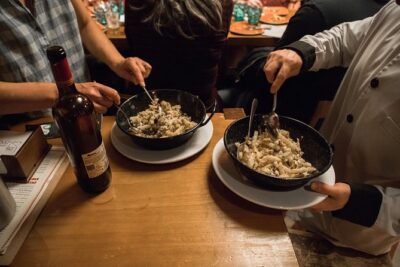
Madrid Tapas & Wine Tasting Walking Tour – Small Group Local Bars
Read our review →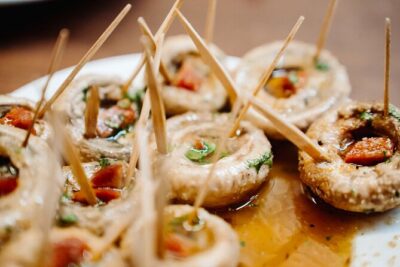
Madrid Tapas & Taverns Small Group Food & History Tour
Read our review →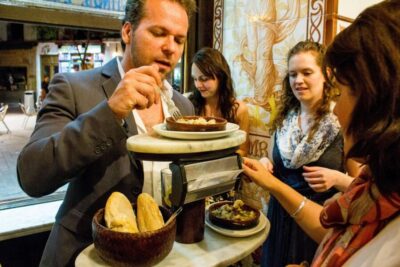
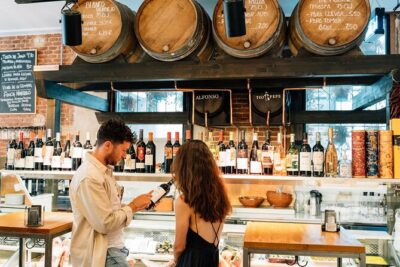
Madrid Tapas & Wine Tour with Rooftop Views and Local Guide
Read our review →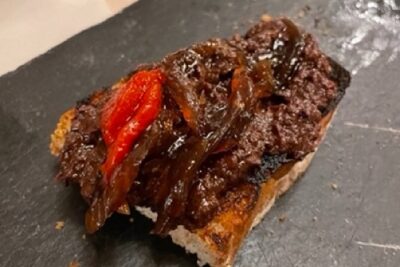
Madrid by Night Small Group Tour: Stories, Sights and Tapas Bites
Read our review →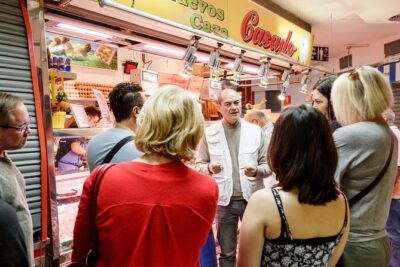
Spanish Cooking Class Paella Tapas and Sangria in Madrid
Read our review →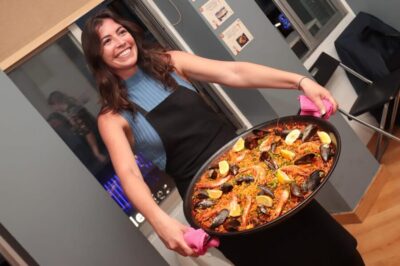
Paella and Sangria Workshop in the City Center
Read our review →
Browse the lists this tour appears in