
Review · MADRID TAPAS TOURS
Private Wine & Gourmet Tapas Tour in Madrid with Sommelier
The best part of this Madrid evening is the way it links three local taverns with a clear lesson in Spanish drinking culture. You begin with vermouth on tap in a historic bar, try a modern vermouth cocktail, then sit down to a flight of Spanish wines paired with tapas. It is part neighborhood walk, part wine class, and part generous dinner.
I like two things here. First, certified wine expert Jimena adjusts the tasting to your preferences, which matters when one person prefers white wine and another wants reds. Second, the route has real variety: Chueca streets, old tavern customs, small-producer cheeses, Iberian ham, tortilla, seafood, and Spanish wine regions all appear in one short outing.
The main consideration is the price: $245 per person is a serious outlay for two and a half hours. You are paying for a private guide, full pours, five drinks, five tapas, and personal attention, not simply for a few samples. If you want a low-cost bar crawl, this is not it.
Key points at a glance
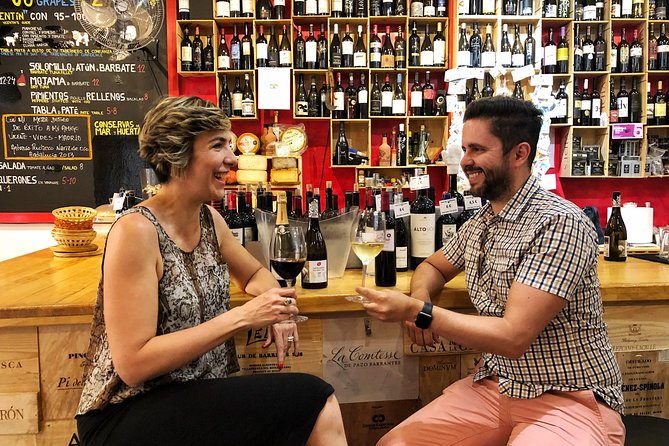
- Three taverns in Chueca: Move between distinct places rather than sitting in one restaurant all evening.
- Five drinks included: Expect vermouth, cava, and several still Spanish wines, with the exact wine mix subject to change.
- Five tapas paired with the drinks: The food can include croquettes, Iberian ham, Spanish cheeses, tortilla, calamari, octopus, or patatas bravas.
- Jimena leads the experience: She explains tasting technique, wine regions, labels, aging, and food pairing.
- Private format: Only your group takes part, making it easier to ask questions and request adjustments.
- Short, easy walk: The tour starts and ends at Plaza de Chueca, with very short distances between stops.
Starting in Chueca, Madrid’s easygoing food quarter
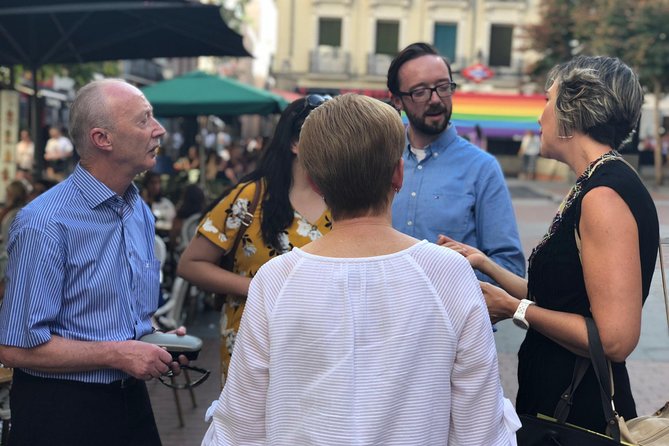
Meet Jimena at Plaza de Chueca in central Madrid. The tour ends at the same point, a useful setup if you are staying nearby or want to continue your evening in the neighborhood.
The walking is light. The stops are close together, so this is not a sightseeing hike disguised as a food tour. You will get a feel for Chueca as you move from one tavern to the next, but the focus stays firmly on what is in your glass and on your plate.
That focus suits a two-and-a-half-hour outing. You have enough time to learn, eat, and talk without rushing between distant parts of the city. Public transportation is nearby, and most people can take part. The activity is offered in English.
Because the experience is private, Jimena can respond to your group instead of delivering a fixed speech to a large crowd. If you already know wine, you can ask about regions, grapes, and labels. If vermouth is new to you, you can start with the basics without feeling lost.
More Tapas and Wine Tours in Madrid
- Madrid Tapas & Wine Tasting Walking Tour – Small Group Local Bars
★ 5.0 · 3,644 reviews - Madrid: Tapas & Wine Tasting Tour with Local Guide
★ 4.8 · 2,171 reviews - Madrid Tapas & Wine Tour with Rooftop Views and Local Guide
★ 5.0 · 2,047 reviews
First stop: vermouth on tap in a historic tavern
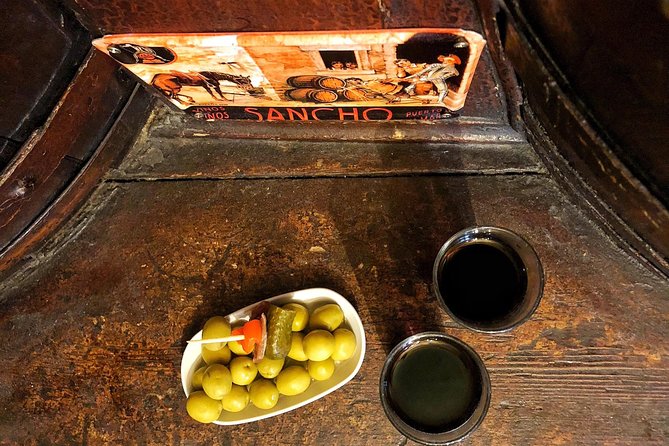
The first tavern introduces traditional Madrid vermouth. It is poured on tap, an old-fashioned way to serve the drink, and the setting has been around since 1908. That detail gives the opening stop a sense of place that a generic wine bar cannot match.
Jimena explains what vermouth is, how it is made, and how different styles vary. You will also learn why vermouth became part of Madrid’s social life. This is useful context because vermouth is not simply a sweet aperitif to sip before dinner. In Spain, it can be the reason to meet, snack, and linger.
For a first-time drinker, this is one of the strongest parts of the route. One tasting helps you understand the traditional style before the tour moves into newer interpretations. You can compare the flavor and serving style rather than treating vermouth as one fixed category.
The food pairing begins here or along the route, with tapas chosen to match the drinks. The portions are described as generous, and one useful point is that the tasting is not built around tiny symbolic sips. You should still expect a tasting format rather than a full restaurant meal, but the total food can make a meaningful contribution to dinner.
Second stop: modern vermouth and Gordal olives
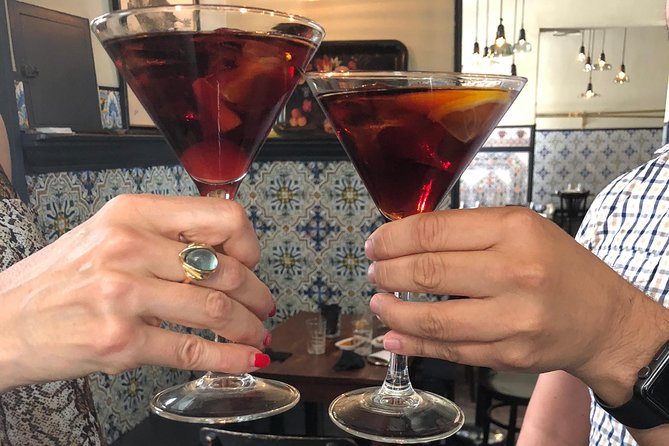
The next tavern shows how Spanish vermouth has changed. Here, you try a modern style served as a cocktail, paired with Gordal olives from Andalusia. These are large, meaty olives, quite different from the small green olives commonly placed on a bar counter.
This stop gives the route a good contrast. The first tavern is tied to old Madrid customs and vermouth from the tap. The second shows how producers and bars now present bottled vermouth in newer styles. Jimena discusses the different approaches Spanish wineries are using today.
I like this progression because it teaches you how to taste with a point of comparison. You are not asked to memorize technical terms. You simply notice how the drink changes when the recipe, serving method, and presentation change.
The olives also give you something solid to eat while tasting. That matters with vermouth, which is usually enjoyed alongside salty snacks. If you are new to the drink, the food helps show why it works so well as an aperitif.
Third stop: cava, still wines, and serious tapas
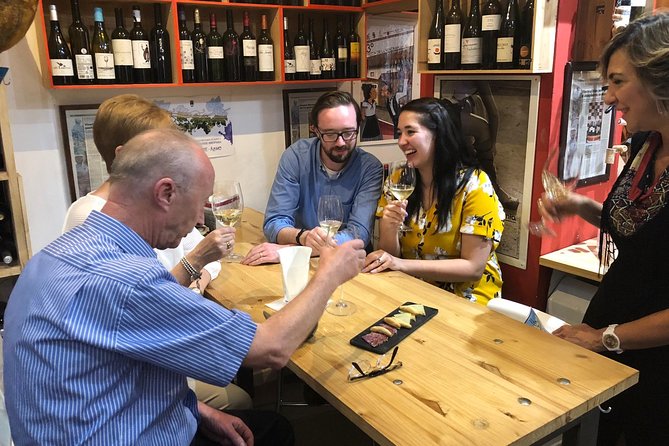
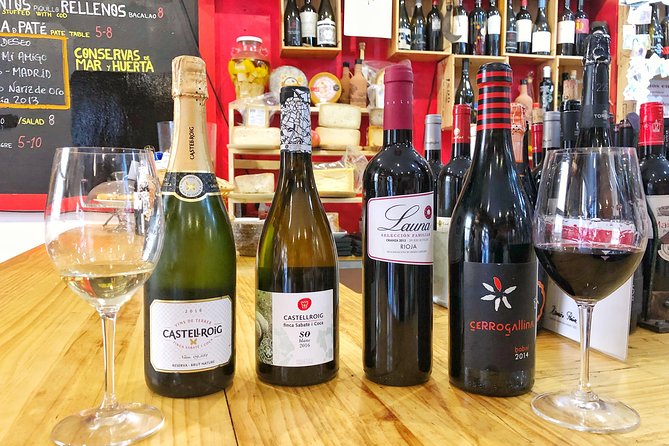
The final tavern is the main wine stop. The tasting includes five drinks in total across the experience: one vermouth, one sparkling wine, and several still wines. The published details describe a Spanish cava made by the traditional method, followed by white and red wines, though the exact mix of still wines may vary.
Cava gives you a clear introduction to Spanish sparkling wine. Jimena explains how it is made and places it within the wider story of Spanish wine production. From there, the still wines let you compare different grapes, regions, and styles.
The teaching goes beyond saying whether a wine tastes good. You learn the basic stages of a tasting, including how to look at, smell, and taste wine. Jimena also covers the wineries behind the bottles, the Designations of Origin where they are located, the local growing conditions, and Spanish aging categories.
The label guidance is especially practical. Spanish wine labels can tell you a great deal about origin and age, but only if you know what to look for. A short lesson here can help you make better choices when buying Spanish wine after your trip.
The food at this stop can be substantial. Possible dishes include hot Spanish croquettes, acorn-fed Iberian ham, and a cheese board with cured Manchego, truffled sheep cheese, and several goat cheeses from small Spanish producers. Spanish tortilla may come with toppings such as grilled prawns, boquerones, or red peppers. Other dishes listed for the pairing include fried calamari, grilled octopus, and patatas bravas.
You should not assume every item appears on every departure. Menus can change, and the route may adjust a dish to suit your preferences. One useful example is a switch from patatas bravas to Spanish tortilla after a guest said tortilla was preferred. Jimena changed the final stop so the group could have a particularly good version of that dish.
That flexibility is a real advantage of booking privately. A fixed group tour may not be able to change course for one person. Here, food preferences can help shape the evening, though it is still wise to share dietary needs when booking.
More Tapas and Wine Tours in Spain
- Paella Cooking Class in Madrid with Bottomless Wine Pairing
★ 5.0 · 985 reviews - Madrid: Food & Wine Tour with 10 Tapas & 4 Drinks Included
★ 4.9 · 984 reviews - Madrid Historic Centre Food Tour with Authentic Tapas & Wines
★ 5.0 · 814 reviews - Madrid Guided Food Tour with Tapas and Spanish Wine
★ 4.9 · 773 reviews
What Jimena adds to the evening
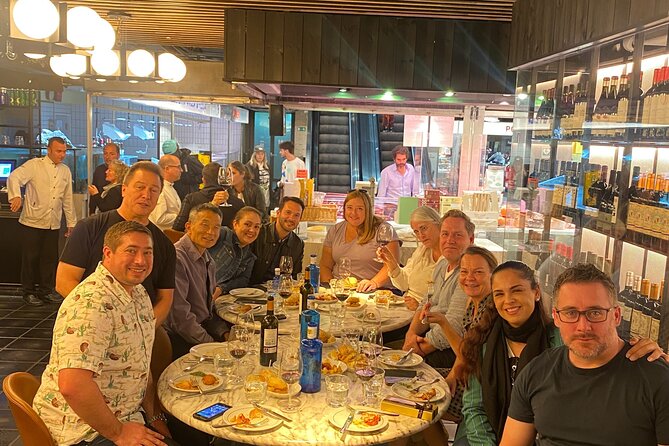
Jimena’s role is more than carrying a bottle from one bar to the next. She explains the wine in plain terms, answers questions, and connects each drink to a place, producer, and method of production.
Her personal approach is one of the strongest reasons to consider this experience. She has adjusted tastings for groups with different preferences and has suggested alternatives when a guest wanted something other than the planned pairing. She also has good working relationships with the taverns, which helps the stops feel organized rather than random.
The tone appears to be relaxed rather than academic. You can ask about grapes, regions, or buying Spanish wine back home, but you do not need a technical background. One practical benefit is that the lessons can continue beyond the evening. You leave with a better sense of how to read labels and choose wines in a shop.
The private format also helps couples and small groups who want conversation. You will not be sharing the guide with a large party, and your questions do not have to compete with a crowd.
How much food and wine do you receive?
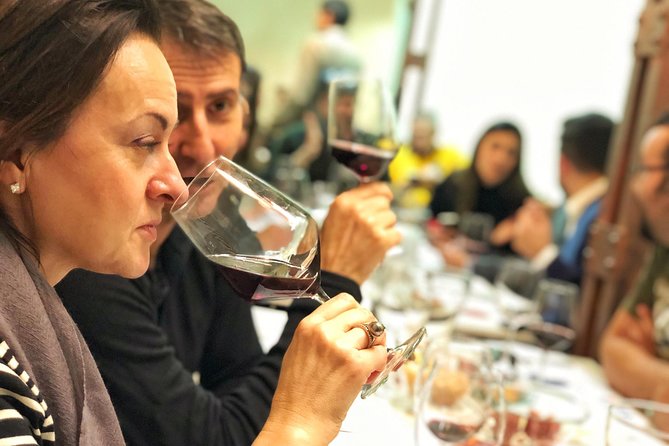
The experience includes five tapas and five alcoholic tastings. The drinks are described as one vermouth, one cava, and several still wines. Some details describe two still wines, while the included tasting breakdown describes three, so you should treat the exact wine lineup as flexible rather than guaranteed.
The pours are reported as generous, closer to full tasting glasses than token samples. That increases the value, but it also means you should pace yourself. Five pours over two and a half hours can add up, especially when paired with ham, cheese, tortilla, fried seafood, and other filling dishes.
The menu has enough range to show several sides of Spanish food. You may encounter salty cured ham, firm Manchego, fresh goat cheese, potatoes, egg-based tortilla, seafood, and fried tapas. This is not a narrow tasting built around one dish or one wine region.
Still, it is best to think of the food as a generous tapas meal rather than a formal dinner. If you arrive very hungry, eat a light snack beforehand. If you want a late-night feast afterward, keep room in your schedule and appetite.
Is $245 per person a fair price?
At $245 per person, the cost is high compared with a casual evening of ordering wine and tapas on your own. You can certainly spend less in Madrid if your main goal is to eat and drink without instruction.
The value improves if you want a private experience and would make use of the wine education. You receive a dedicated certified guide, visits to three taverns, five drinks, five food pairings, local context, and help choosing wines by region and label. The guide can also respond to personal preferences, something that has practical value for mixed groups.
I would especially consider the price reasonable for a couple or small group marking a special occasion, such as a honeymoon or anniversary. It can also be a smart first-night activity because it gives you a guided introduction to Madrid’s bar culture and points you toward foods and drinks to seek out later.
The cost is harder to justify if you already know Spanish wine well, do not want a lesson, or prefer to make spontaneous choices at crowded neighborhood bars. The private setting is a benefit, but it is also what keeps the price high.
Who should book this private wine walk?
This suits you if you like food with explanation. You will get more from it if you want to know why cava is made in a certain way, how vermouth styles differ, or what a Spanish aging term means.
It is also a strong choice for groups with mixed wine preferences. Jimena can take those preferences into account, and the private format makes it easier to adjust a dish or bottle.
First-time visitors to Madrid may appreciate the neighborhood focus. You spend the evening in Chueca rather than being moved across the city, and you finish where you started. That keeps the logistics simple while still giving you a sense of local bar culture.
You may want to skip it if you are seeking a broad city tour, a long walking route, or a bargain-priced tasting. The sightseeing is limited, the distances are short, and the central purpose is food, drink, and instruction.
The tour is recommended by all listed participants, with a five-star rating from 49 reviews. That record points to a consistent strength in Jimena’s warmth, flexibility, and command of the subject, but the price and tasting pace still deserve a clear look before booking.
Practical details to know before booking
The tour lasts about two hours and 30 minutes and begins at Plaza de Chueca, Pl. de Chueca, Centro, 28004 Madrid. It returns to the same meeting point.
Your confirmation arrives when you book. The activity is private, and only your group participates. Group discounts may be available, and the experience is supplied with a mobile ticket.
Free cancellation is available if you cancel at least 24 hours before the start time. Cancellations or changes made inside that window are not refunded or accepted. If the minimum number of participants is not met and the activity is canceled, you are offered another date or experience, or a full refund.
Should you book it?
Book this tour if you want a polished, private introduction to Spanish vermouth and wine, with enough food to make the evening feel substantial. Jimena’s personal adjustments, full pours, short walking distances, and mix of old and modern taverns make it more useful than a simple bar crawl.
Think twice if $245 feels steep or if you prefer to explore bars without a guide. For everyone else, especially couples, small groups, and curious wine drinkers, this is a focused way to spend an evening in Chueca and leave with practical skills you can use for the rest of your Spain trip.
FAQ
Where does the tour begin?
The tour begins at Plaza de Chueca, Pl. de Chueca, Centro, 28004 Madrid, Spain.
Where does the tour end?
The experience ends back at the Plaza de Chueca meeting point.
How long does the tour last?
The tour lasts approximately two hours and 30 minutes.
How many taverns will I visit?
You will visit three taverns in Madrid’s Chueca neighborhood.
How many drinks and tapas are included?
The price includes five wine and vermouth tastings and five tapas. The tasting includes vermouth, cava, and several still Spanish wines.
Who leads the tour?
The tour is led by Jimena, a passionate and certified wine expert.
Is the tour private?
Yes. Only your group participates in the activity.
What is the cancellation policy?
You can cancel for a full refund up to 24 hours before the experience starts. Cancellations or changes made less than 24 hours before the start time are not refunded or accepted.
More Gourmet Tapas Experiences in Madrid
- Madrid Gourmet Tapas Small Group Tour
★ 5.0 · 175 reviews - Cured Meats Gourmet Tasting with Wine Pairing in Madrid
★ 4.5 · 25 reviews - Gourmet Tasting of Iberian Ham Oil and Wine Small Group in Madrid
★ 3.0 · 8 reviews - Gourmet edition: Segway tour and tapas
★ 4.0 · 5 reviews
Just added around Madrid
- Madrid Food Tour – Tapas Walking Tour★ 5.0 · 3 reviews
- Traditional Paella & Sangría Workshop & Spanish Meal in Madrid★ 4.0 · 5 reviews
- Culinary tour “Tapas & Wines” in Madrid★ 5.0 · 3 reviews
- Madrid: Private Tapas & Wine Food Walking Tour in La Latina★ 5.0 · 4 reviews
- Tasting of 4 Spanish wines in Puerta del Sol Madrid★ 5.0 · 10 reviews
- Try Madrid Best Churros, Tapas & Market by FLT★ 5.0 · 37 reviews
- Tasty Tapas & Drinks Tour with a Rooftop Included★ 5.0 · 82 reviews
- Flamenco show & tasting Tapas with panoramic views in Madrid★ 4.5 · 6 reviews
Madrid Tapas Tours, compared.
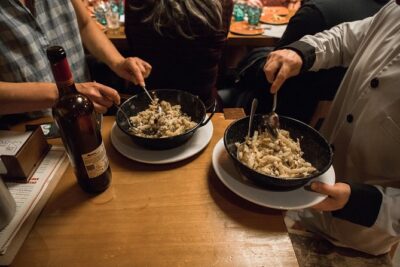
Madrid Tapas & Wine Tasting Walking Tour – Small Group Local Bars
Read our review →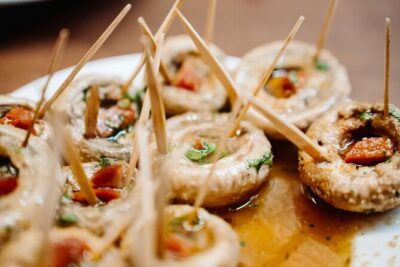
Madrid Tapas & Taverns Small Group Food & History Tour
Read our review →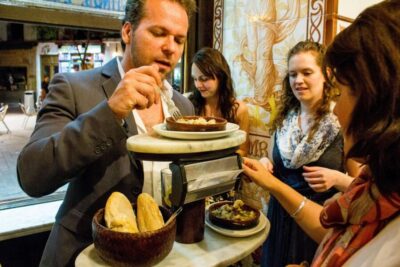
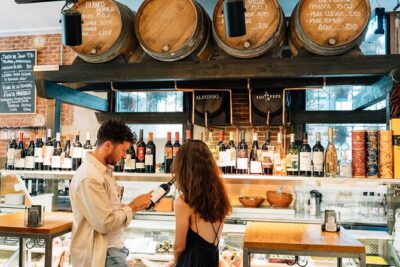
Madrid Tapas & Wine Tour with Rooftop Views and Local Guide
Read our review →
Madrid by Night Small Group Tour: Stories, Sights and Tapas Bites
Read our review →
Spanish Cooking Class Paella Tapas and Sangria in Madrid
Read our review →
Paella and Sangria Workshop in the City Center
Read our review →
Browse the lists this tour appears in