
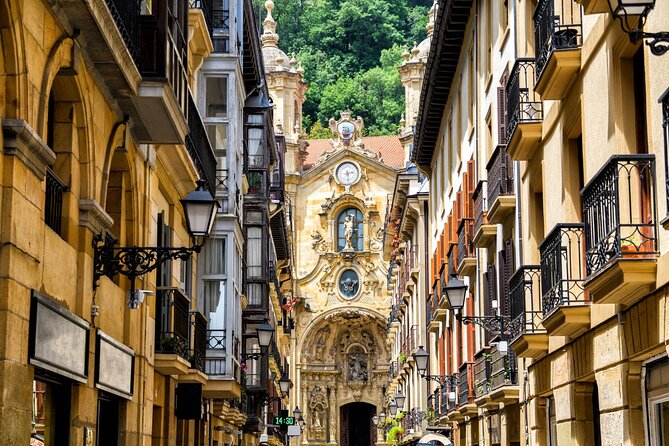
Review · SAN SEBASTIAN TAPAS TOURS
Eating San Sebastian: Beyond Pintxos Tour
San Sebastián’s food culture is much bigger than a plate of pintxos. This three-hour walk takes you from a family bar in Gros to old-school taverns in the Parte Vieja, adding cider, steak, local wine, cheese, and the city’s classic pastry along the way. The food is the main event, but the people and places give the tour its character.
I like the small group size, capped at 10, because it makes it easier to hear your guide and squeeze into local bars. I also like the range: you make a Gilda, taste Txakoli and cider, eat chipirones and txuleta, then finish with pantxineta. The main drawback is pace. Six food stops and several city sights in about three hours means you will eat well, but you will not linger long at every address.
Key points to know before booking
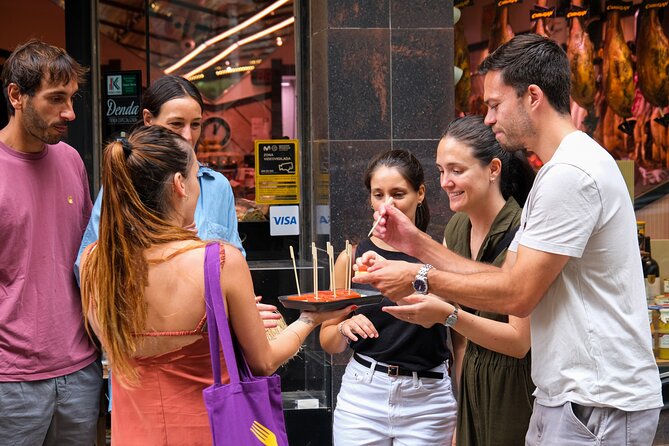
- A full meal in six stops: Expect mushrooms with foie gras, cheese, pintxos, chipirones, steak, peppers, and pastry.
- Two sides of San Sebastián: The route begins in Gros and finishes in the Old Town, mixing modern city life with long-running family bars.
- Hands-on Basque food: You make your own Gilda, then learn the cider-house txotx ritual.
- Guides with local ties: Guides such as Iri and Alaia bring Basque culture and food customs into the walk.
- Small and social: The group has a maximum of 10 people, useful in compact bars.
- Dietary limits matter: Vegetarian options are available, but vegan, gluten-free, and kosher choices may be limited.
Why this tour goes beyond pintxos
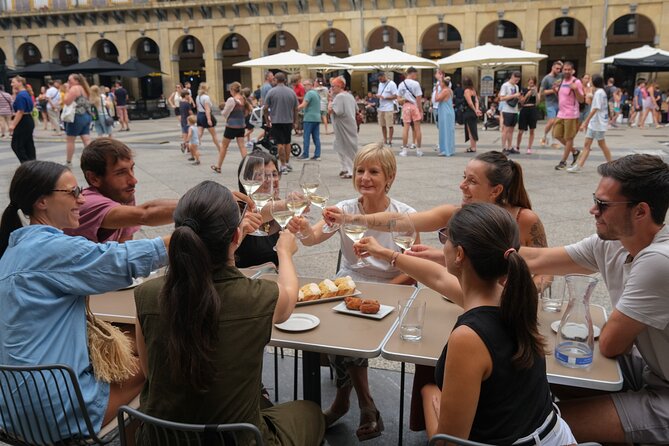
Pintxos are San Sebastián’s famous calling card, but eating only small snacks can give you a narrow view of Basque food. This experience broadens the picture. You still get the classic bar-to-bar rhythm, known locally as txikiteo, but the menu adds cider-house steak, regional cheese, Txakoli, and a historic pastry.
That range matters because each food tells you something different. A pintxo is quick, social, and often inventive. Txakoli is tied to the Basque coast and is usually served as a crisp white wine. Cider poured from the barrel connects the meal to a more rustic tradition. Pantxineta shows the sweet side of San Sebastián, with puff pastry, pastry cream, and toasted almonds.
You also get a useful introduction to the city itself. The route links Gros with the Old Town, passing squares, a modern cultural center, a bridge with sea views, a market square, and Plaza de la Constitución. You are not simply eating in disconnected restaurants. You are learning how food fits into daily life in Donostia, the Basque name for San Sebastián.
More Pintxos Tours in San Sebastian
- San Sebastian Old Town Pintxos & Wine Tour Small Group Tour
★ 5.0 · 1,102 reviews - San Sebastian Pintxo Food, Wine & Market Foodie Tour(Small Group)
★ 5.0 · 621 reviews - Discover San Sebastián’s Best Pintxos on a Unique Culinary Tour
★ 5.0 · 602 reviews
Starting in Gros with mushrooms and a zurito
Meet at De Biteri Plaza in Gros. Your first stop is a lively family-owned bar on San Francisco Kalea, where the opening bite is grilled mushrooms layered with foie gras. It is a rich start, especially when paired with a zurito, a small glass of local draft beer.
This first tasting sets the tone well. You get a classic bar atmosphere rather than a formal restaurant setting, and the small beer keeps the opening drink modest. If you are not used to foie gras, the combination may feel heavy early in the tour, but the portion is presented as a pintxo rather than a full plate.
Gros gives the tour a useful beginning. It is a local neighborhood with its own food scene, not just a warm-up before the Old Town. Your guide can help you see the city as more than the postcard center, and the walk gives you a feel for how people move between ordinary neighborhood bars and famous food streets.
Making a Gilda and tasting Basque cheese
On Usandizaga Kalea, you visit a wine and beer shop run by a local couple. Here you make your own Gilda, the skewer of ingredients that helped shape San Sebastián’s pintxo culture.
The hands-on part is simple, but that is exactly why it works. Instead of having every bite placed in front of you, you take part in one small piece of local food tradition. You also taste cheeses selected by the shop owners, giving you a chance to compare the salty, firm flavors that often pair well with Basque drinks.
The non-alcoholic drink here is a Mosto Spritz, made with regional grape must, tonic, and citrus. This is a thoughtful inclusion for anyone taking a break from alcohol or simply wanting something lighter. It also keeps the tour from becoming a nonstop sequence of beer and wine.
The Gilda itself is usually a bold little bite, so do not expect delicate flavors. Its appeal is in the sharp, salty combination and the ritual of eating it at a bar. This stop is also one of the better places to ask your guide about local drinking customs and the social side of pintxos.
Choosing a pintxo on Fermin Calbeton Kalea
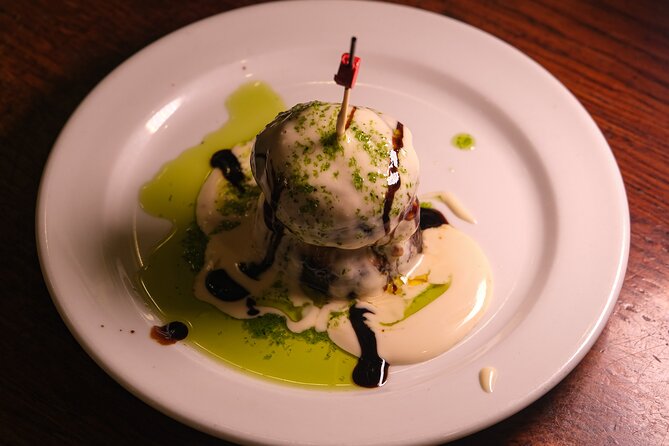
The route then crosses into the Old Town, where Fermin Calbeton Kalea is one of the best-known pintxos streets. At a stylish boat-themed bar, you choose a creative pintxo that catches your eye and pair it with a kalimotxo, a mix of red wine and cola.
This stop gives you more freedom than the fixed tastings. You get to look at the bar’s selection and make a personal choice, while your guide can help explain what you are seeing. It is a small but useful lesson in how pintxos work: you look, select, order, and move on.
Kalimotxo is playful and uncomplicated. It is not the drink to order if you want to study the finer points of Basque wine, but it fits the relaxed tone of a bar crawl. The pairing also adds variety after the beer, cheese, and Mosto Spritz.
Because this is a popular street in the Old Town, the stop may feel busier than the first two. The group size helps, but you should still be ready to stand, share space, and keep the group moving.
Same city, a different plate:
- San Sebastian: Pintxos and Wine Tour
★ 4.9 · 535 reviews - San Sebastian Food Tour: Pintxo Tasting Paired with Wines
★ 4.8 · 493 reviews - San Sebastian Evening Pintxo Tour with Wine
★ 5.0 · 321 reviews - San Sebastian Pintxos Tour for Gourmets in the Old Town
★ 5.0 · 276 reviews
Meeting Bernardo at La Cepa de Bernardo
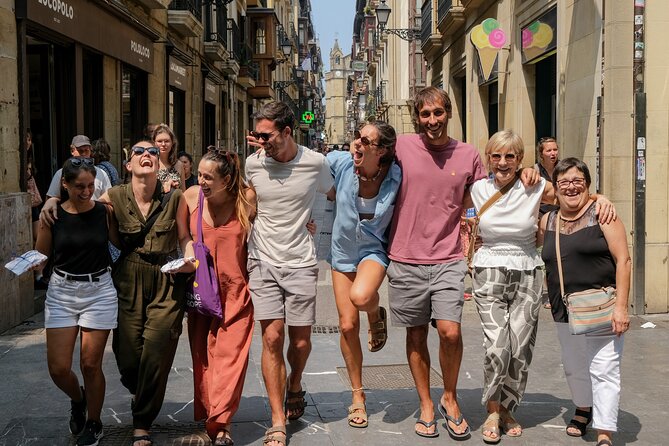
On 31 de Agosto Street, the tour reaches La Cepa de Bernardo, a long-running bar with a strong sense of place. Bernardo, the 70-year-old owner, welcomes visitors and serves an off-menu tasting of tender chipirones, paired with crisp Txakoli.
This is one of the most personal stops on the route. You are not just trying a dish associated with the region. You are meeting someone who has spent decades working with Basque food and seeing a traditional bar through its owner’s eyes.
Chipirones are small squid, and the preparation gives the meal a seafood turn after the heavier foie gras and cheese. Txakoli cuts through the food with its fresh, lively character. It is also one of the region’s signature drinks, so this pairing gives you a better idea of why local wine matters here.
The off-menu nature of the tasting is part of the charm, though it also means the experience depends on what the bar is serving that day. You should view this as a personal, place-based stop rather than a polished tasting-room presentation.
The cider-house ritual and txuleta steak
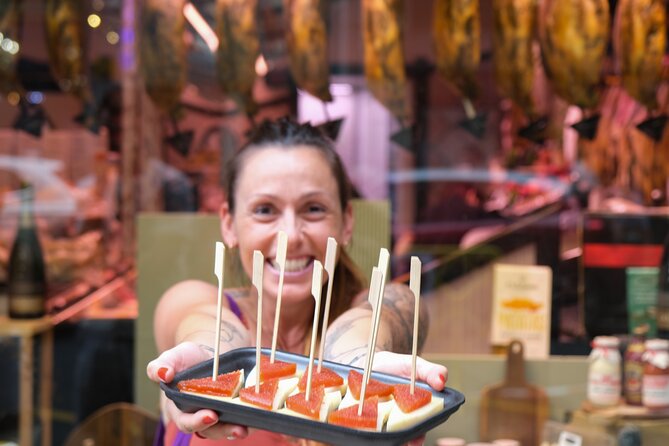
The biggest food moment comes at the Basque cider house on Narrika Kalea. Here you taste txuleta steak with salted padrón peppers and watch cider poured directly from the barrel during the traditional txotx ritual.
This is where the tour moves beyond snack culture. Txuleta is a substantial steak, and with peppers beside it, this can feel like the center of a full meal. One previous participant found there was so much food that dessert required serious planning. Take that advice literally: save room for the pastry at the end.
The cider ritual is more than a drink being poured. It gives you a glimpse of the social style of a Basque cider house, where the barrel and the act of serving become part of the meal. The moment is lively and memorable, especially if you have only tasted cider from a bottle or glass.
You should also know that this is a tasting within a tightly timed walking tour, not a long cider-house dinner. The portion of steak, the peppers, and the cider provide a strong sample, but you are not settling in for an evening meal with multiple courses.
Ending with the original pantxineta
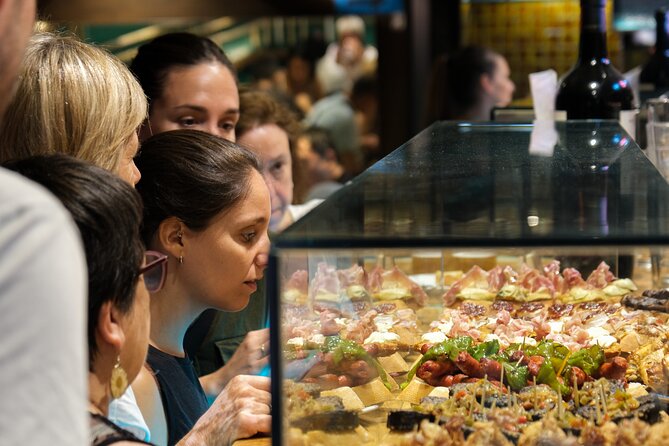
The final food stop is at the city’s oldest pastry shop, open since 1886. You taste the original recipe for pantxineta, a flaky pastry filled with pastry cream and topped with toasted almonds.
This is the right ending. After savory pintxos, seafood, steak, and peppers, the pastry offers a softer, sweeter finish. The contrast also helps explain why you should pace yourself earlier. The dessert is not an afterthought, and arriving too full would mean missing one of the most distinctive foods on the route.
Pantxineta is closely tied to San Sebastián, so this is more useful than ending with a generic sweet. You leave with a food to seek out again during your stay, perhaps alongside coffee or as a break from another long day of sightseeing.
If you have dietary restrictions, ask about this stop before booking. The tour is described as vegetarian-friendly, but vegan, gluten-free, and kosher choices may be limited. Emailing your restrictions when you book gives the operator the best chance to make suitable arrangements.
The city sights between the bites
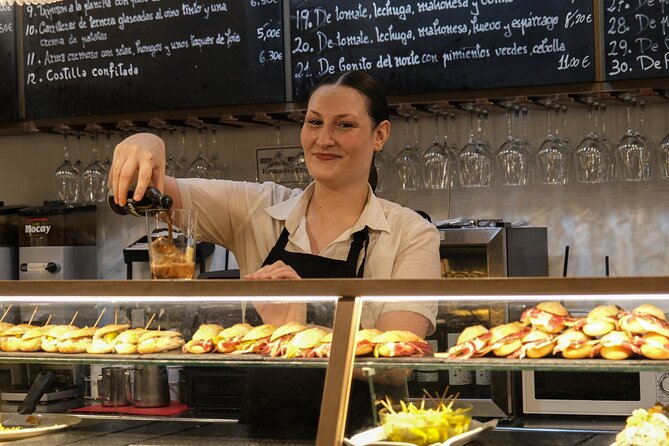
Food is the focus, but the route includes several short pauses that help connect the neighborhoods. In Gros, you stop in a lively square where locals gather and view a modernist church known for colorful stained-glass windows.
You also see the city’s modern cultural center and cross a nearby bridge with sea views. That contrast is useful: San Sebastián is not only old streets and traditional bars. It also has modern public spaces and striking architecture.
In the city center, the guide explains a historic market square that remains an important food point for local life. This gives context to the ingredients you have just been tasting. Food is not simply served in bars here. Markets, shops, family businesses, and neighborhood squares all help keep the culture moving.
In the Old Town, the route pauses beside Plaza de la Constitución. Its numbered balconies recall the square’s former use as the city’s main bullring. The setting is a good reminder that San Sebastián’s public spaces have changed purpose over time, even as their role in daily life remains strong.
These sightseeing moments are brief. If you want a detailed architecture tour, book a separate city walk. Here, the stops serve the food route and help you understand where you are.
What the guides add to the experience
The guide can make or break a food walk, and the strongest part of this experience is the local personality brought by guides such as Iri and Alaia. Both are described as Basque natives who explain food, culture, and city life in an entertaining way.
Alaia is associated with a friendly, informative route through Gros and the Old Town. Iri is noted for sharing Basque culture and history while keeping the mood light. The exact guide depends on the date, but you can expect an English-speaking host rather than a silent escort between bars.
That matters because many of the foods need context. A Gilda is more interesting when you know its place in local snack culture. Txakoli makes more sense when your guide explains why it belongs on the table. The txotx ritual is easier to appreciate when you understand that it is part of a wider cider-house tradition.
The small group maximum of 10 is another practical advantage. Bars in the Old Town can be compact, and a large group would make ordering and conversation harder. With fewer people, you have a better chance to ask questions and follow the guide without feeling herded.
Is $138.78 a fair price?
At $138.78 per person, this is not a cheap way to eat. It can still be good value if you use it as a substantial meal, a city orientation, and an introduction to places you might not find on your own.
The price covers six food-focused stops, drinks and tastings, a local English-speaking guide, and the food-and-city guide experience. You are paying for more than individual bites. The value comes from the combination of a full meal’s worth of food, access to family-run places, and explanations that help you order with more confidence later.
The tour is especially useful early in your stay. After three hours, you will know several neighborhoods, recognize foods such as Gilda and pantxineta, and have a better sense of how txikiteo works. You may also return to a bar or pastry shop later, which adds value beyond the tour itself.
It is less worthwhile if you only want a quick introduction to pintxos or if you prefer choosing every dish yourself. Several tastings are fixed, the route is fairly full, and the group moves according to the schedule.
Timing, meeting point, and practical details
The experience lasts about three hours. It begins at De Biteri Plaza in Gros and ends at Narrika Kalea, 15, in the Old Town. There is no hotel pickup or drop-off, so plan to reach the starting point on your own and arrange your return afterward.
The end point is near the final food stops, making it easy to continue in the Old Town. Public transportation is nearby, and most people can participate. Service animals are allowed.
The tour is offered in English and confirmed at booking. It is often booked well in advance, with an average booking lead time of 61 days, so reserve ahead if your San Sebastián dates are fixed.
Free cancellation is available up to 24 hours before the start time. Changes or cancellations inside that window are not refunded. The experience also needs a minimum number of participants, and if that minimum is not met, you will be offered another date or experience, or a full refund.
Who should book this food walk?
I would choose this for a first visit to San Sebastián, especially if you want food and city orientation in one outing. It suits curious eaters who like trying regional specialties without spending an entire evening in a formal restaurant.
It also works well for couples, friends, and solo visitors who enjoy talking with a guide and sharing food in a small group. The mix of alcoholic and non-alcoholic drinks makes it easier to pace yourself, though the tour still includes several drink pairings.
Vegetarians can usually take part, but you should contact the operator in advance. Vegan, gluten-free, and kosher diets may be harder to accommodate. Anyone who dislikes seafood, rich foods, steak, or pastry should also study the menu before booking, since these are central parts of the route.
Should you book Eating San Sebastian: Beyond Pintxos?
Book it if you want more than a checklist of famous pintxos. The best parts are the personal stops, the range of food, the cider poured from the barrel, the meeting with Bernardo, and the easygoing guidance associated with Iri and Alaia.
Skip it if you want a quiet sit-down meal, a strictly vegetarian menu, or a slow architecture walk. The route is full, the food adds up quickly, and some stops are short.
For most food-focused visitors, I see this as a strong first or second-day activity. Arrive hungry, leave room for pantxineta, tell the operator about dietary needs before booking, and let the tour show you how San Sebastián eats one small bar, glass, and plate at a time.
FAQ
How long does the Eating San Sebastian: Beyond Pintxos Tour last?
The tour lasts approximately three hours.
Where does the tour start and end?
It starts at De Biteri Plaza in Donostia, San Sebastián, and ends at Narrika Kalea, 15, in the Old Town.
Is the tour offered in English?
Yes. An English-speaking local guide leads the experience.
What food and drinks are included?
The tastings include foie gras with grilled mushrooms, a Gilda, local cheeses, a creative pintxo, chipirones, txuleta steak, salted padrón peppers, and pantxineta pastry. Drinks include beer, Mosto Spritz, kalimotxo, Txakoli, and cider poured from the barrel.
Is the tour suitable for vegetarians or people with dietary restrictions?
The tour is vegetarian-friendly, but vegan, gluten-free, and kosher options may be limited. Email your dietary restrictions when booking so the operator can try to accommodate you.
What is the cancellation policy?
You can cancel up to 24 hours before the start time for a full refund. Cancellations or changes made less than 24 hours before the experience are not refunded.
Just added around San Sebastian
- San Sebastian Lunch Time Pintxo Tour with Wine★ 5.0 · 80 reviews
- Pintxo Lunch Tour in San Sebastián: A Unique Culinary Experience★ 5.0 · 46 reviews
- The Best Gourmet Experience and Pintxo Tour in San Sebastian★ 4.5 · 23 reviews
- San Sebastian Ultimate Morning Pintxos & Wine Tour in Old Town★ 5.0 · 42 reviews
- San Sebastián Pintxos Tour: Delicious Food, Drinks & Ambience★ 5.0 · 8 reviews
- Private San Sebastian Pintxos Tour with Local Guide★ 5.0 · 83 reviews
- Bike Tour in San Sebastián with FREE pintxo and drink!★ 4.5 · 6 reviews
- Private City Tour of San Sebastian with introduction to Pintxos Culture★ 5.0 · 2 reviews
San Sebastian Tapas Tours, compared.
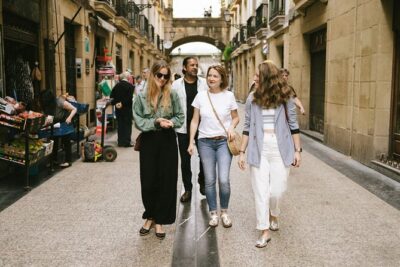
San Sebastian Old Town Pintxos & Wine Tour Small Group Tour
Read our review →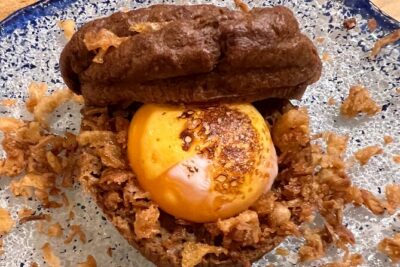
San Sebastian Pintxo Food, Wine & Market Foodie Tour(Small Group)
Read our review →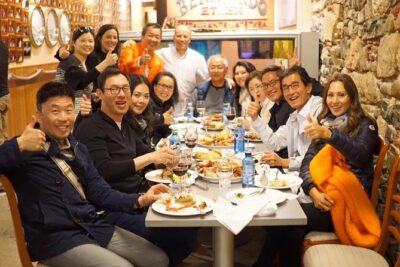
Discover San Sebastián’s Best Pintxos on a Unique Culinary Tour
Read our review →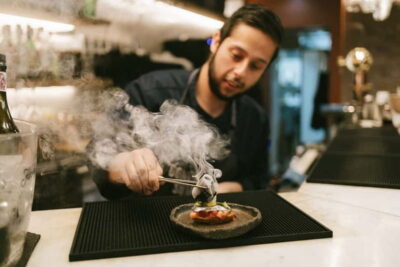
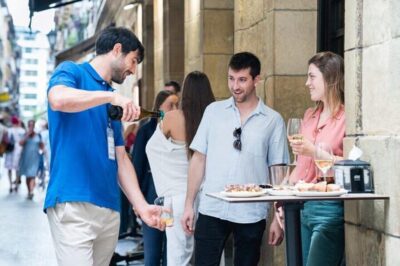
San Sebastian Food Tour: Pintxo Tasting Paired with Wines
Read our review →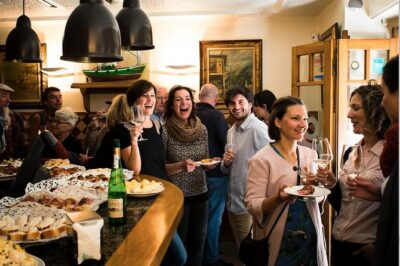
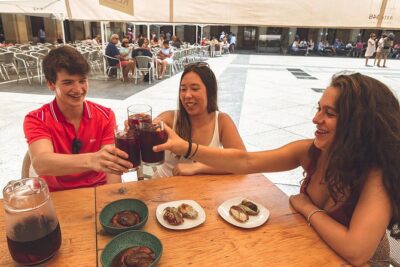
San Sebastian Pintxos Tour for Gourmets in the Old Town
Read our review →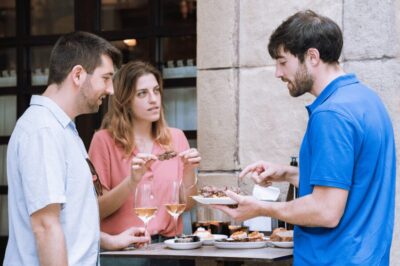
Browse the lists this tour appears in