
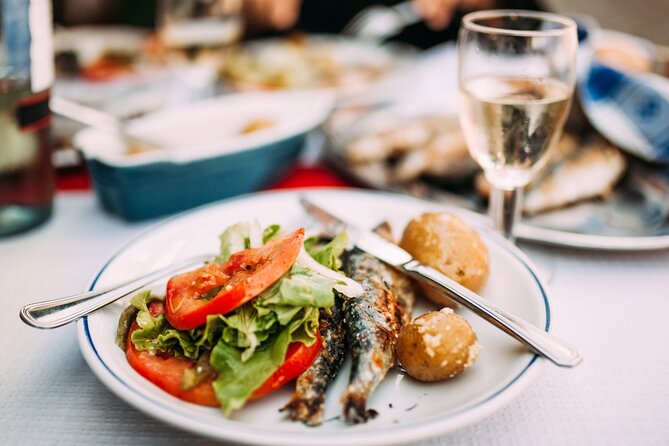
Review · ITALY TAPAS TOURS
Venetian Tapas Cooking Class (Includes 6-Course Meal)
Venetian cooking is at its best in small portions, and this class lets you make the food rather than simply eat it. With Chef Barbara in a traditional kitchen, you prepare six kinds of cicchetti, including meatballs in tomato sauce, salt cod with polenta, lemony octopus, and sarde in saor.
I like the six-person maximum, which gives the class a personal feel, and I like that the recipes are practical enough to repeat at home. You also get wine and water with the meal, so the class feels like both a lesson and a proper lunch.
The main drawback is the price, $198.75 per person. That is a serious bite for a three-hour activity, and the value depends on how much you care about hands-on cooking, a tiny group, and a full meal rather than simply sampling cicchetti at a bacaro.
Key points
- Chef Barbara leads the class: You cook alongside a local chef with years of experience.
- Six Venetian dishes are prepared: The menu covers seafood, meat, vegetarian items, crostini, and polenta.
- The group is limited to six people: This is a better fit for personal instruction than a large demonstration.
- The meal is included: You eat the cicchetti you prepare, with wine and water provided.
- The recipes are useful at home: The dishes are designed as small plates, and several are simple enough to repeat in your own kitchen.
- The setting is Dorsoduro: You meet and finish in this Venetian neighborhood, with no transportation included.
Cooking Venetian cicchetti in Dorsoduro
This class begins at 10:00 a.m. in Dorsoduro, one of Venice’s central neighborhoods, and lasts about three hours. You meet Chef Barbara at the stated address, then settle into a traditional kitchen for a morning of chopping, mixing, seasoning, and cooking.
Cicchetti are Venice’s answer to tapas: small plates served as snacks, light meals, or companions to a glass of wine. They are not meant to be one grand dish. Instead, a good cicchetti meal gives you a series of different tastes, textures, and temperatures.
That makes this class more interesting than a standard pasta lesson. You are not spending the whole morning on one recipe. You move through seafood, meat, vegetables, bread, sauce, and polenta, learning how Venetian cooks build a meal from modest ingredients.
The class is limited to six people. That number matters. You should have more room to ask questions and take part in each preparation, rather than watching from the back of a crowded room. It also means the experience is better suited to people who enjoy cooking with others and sharing a table afterward.
More Spanish Cooking Classes in the world:
- Barcelona Paella Cooking Class with Market Visit, Tapas & Sangria
★ 5.0 · 2,531 reviews - Spanish Cooking Class Paella Tapas and Sangria in Madrid
★ 5.0 · 1,340 reviews - Valencian paella cooking class, tapas and visit to Ruzafa market.
★ 5.0 · 828 reviews
Polpette and creamed cod begin the meal
One of the first preparations is polpette di carne, Venetian meatballs served in tomato sauce. Meatballs are familiar food, but the Venetian version belongs naturally on a small-plate menu. You prepare them as a savory bite, then pair them with sauce rather than treating them as the centerpiece of a large entrée.
This is one of the more approachable parts of the class. If you are hoping to take a few recipes home, meatballs are a useful place to start. The dish does not demand unusual equipment, and you can adapt it to a family meal or serve it in smaller portions for an aperitivo.
You also prepare creamed cod with soft polenta. Salt cod is a major part of Venetian cooking, and this dish shows how a simple preserved ingredient can become smooth and delicate when carefully worked with oil or other basic ingredients.
The polenta matters as much as the cod. Soft polenta gives the creamed fish a warm, gentle base and turns it into a spoonful-sized plate that feels distinctly northern Italian. It also gives you a lesson in contrast: creamy fish with tender cornmeal instead of crisp bread or pasta.
Salt cod has a stronger character than many mild white fish dishes. If you do not usually eat seafood, this may be one of the more challenging tastes in the class. If you already enjoy traditional Venetian food, it is one of the dishes most connected to the region’s cooking.
Venetian-style octopus with lemon and olive oil
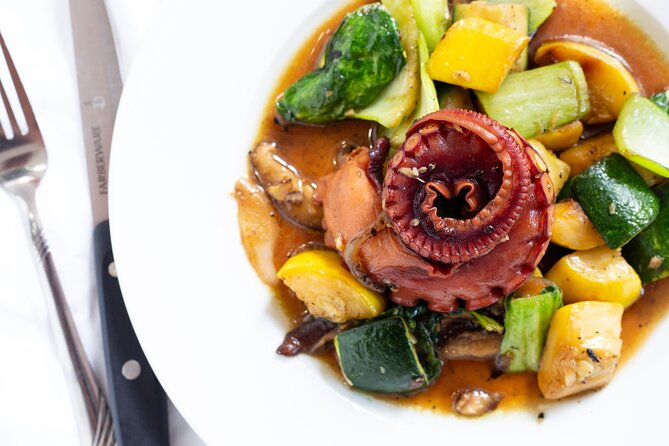
The class then moves to mini octopus prepared in a simple Venetian style. The seasoning is light, with lemon and olive oil, so the seafood remains the focus.
This preparation is valuable because it shows how local cooking often depends on restraint. You are not covering the octopus with a heavy sauce or a long list of spices. The goal is to handle the seafood properly, then add enough lemon and oil to sharpen its flavor.
Octopus can be a tricky ingredient at home, which makes this part especially useful if you want to improve your seafood cooking. The class gives you a chance to see how a chef works with it, rather than only receiving a finished plate in a restaurant.
The portion is described as mini octopus, so think of a small cicchetto rather than a large seafood course. That is good news if you want variety. You can taste the dish without it taking over the meal.
Crostini bring together cheese, cured meat, and seafood
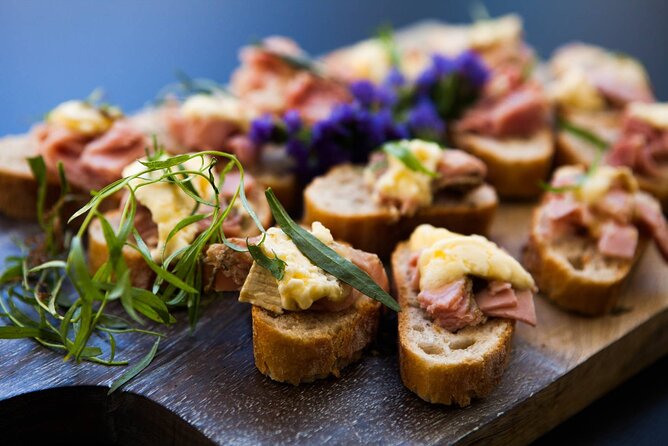
Crostini form another part of the spread. You build small pieces of toasted bread with cheeses, cured meats, and marinated seafood.
This is the most flexible section of the class. Crostini teach you how to assemble a plate quickly and neatly, which is useful for an easy dinner, a party, or a drink with friends. The bread gives the meal crunch, while the toppings bring salt, creaminess, and seafood flavor.
Because the ingredients are seasonal and sourced from local markets, the exact character of the toppings may vary. That is a benefit if you want to cook in a Venetian spirit rather than follow a rigid menu. It also means you should not expect every class to feel identical in every season.
The crostini are likely to be among the easiest recipes to recreate. You can keep the basic idea and change the toppings to suit what you find at home. This is one reason the class has practical value beyond the meal you eat in Venice.
A few more tapas tours around the world worth a look
- Barcelona: Cocktail Master Class by Mixologist with Tapas
★ 4.7 · 959 reviews - Taste of Spain: Tapas Cooking Class with Bottomless Wine Pairing
★ 5.0 · 414 reviews - Alicante Paella Cooking Class, Tapas, Drinks and Marketplace
★ 5.0 · 349 reviews - Seafood paella cooking class, tapas and visit to Ruzafa market.
★ 5.0 · 328 reviews
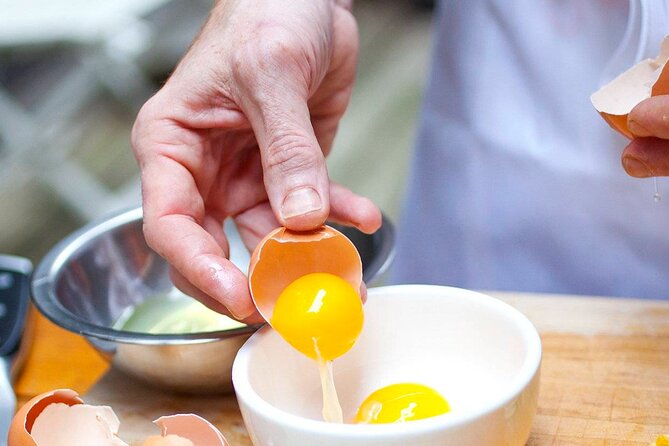
Seasonal frittatina adds a vegetarian note
A seasonal frittatina gives the menu a vegetarian preparation. The dish changes with the available ingredients, so it adds a little uncertainty but also keeps the meal tied to the time of year.
Egg-based dishes are common in small-plate cooking because they are filling without being heavy. A frittatina can be cut into small pieces, served warm or at room temperature, and placed beside seafood and meat without competing with them.
For you, this is a useful lesson in balance. The class is not built only around Venice’s seafood traditions. It includes a vegetarian bite that helps round out the six-course meal.
If you have dietary restrictions, tell the provider in advance. The class is designed to accommodate a variety of dietary needs, and Chef Barbara will do her best to adjust the food. Do not wait until the morning of the class, since the ingredients and menu planning happen ahead of time.
Sarde in saor, Venice on a small plate
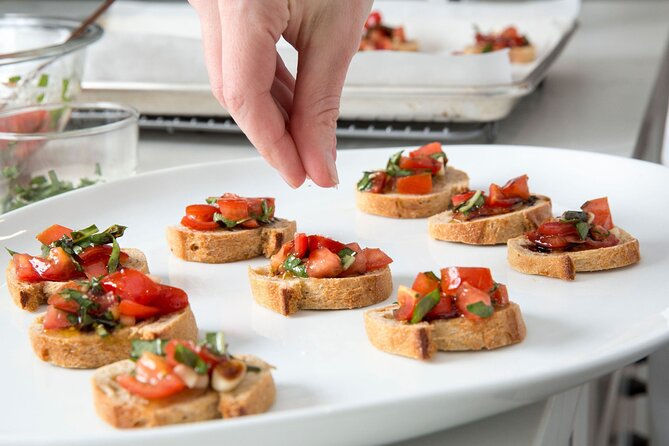
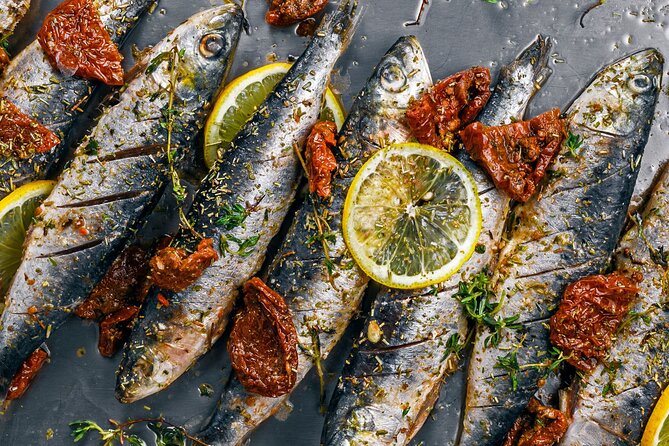
The final major preparation is sarde in saor, one of Venice’s most famous dishes. It combines sardines with a sweet-and-sour treatment, traditionally linked with onions and other balancing flavors.
This dish is a good example of how Venetian food developed around preservation and practical cooking. The sweet and sour profile gives the sardines a sharper, more complex taste than a plain fried fish dish.
Sarde in saor may be the boldest item on the menu. Sardines have a clear seafood flavor, and the sweet-and-sour seasoning will not appeal to every palate. Still, it is an important Venetian dish, and the class gives you a chance to understand it in the setting where it belongs.
The menu also gives you a useful progression. You taste rich meatballs, soft cod and polenta, delicate octopus, crunchy crostini, egg, and strongly seasoned sardines. Each plate has a different role, so the meal should not feel repetitive.
A full meal after the hands-on work
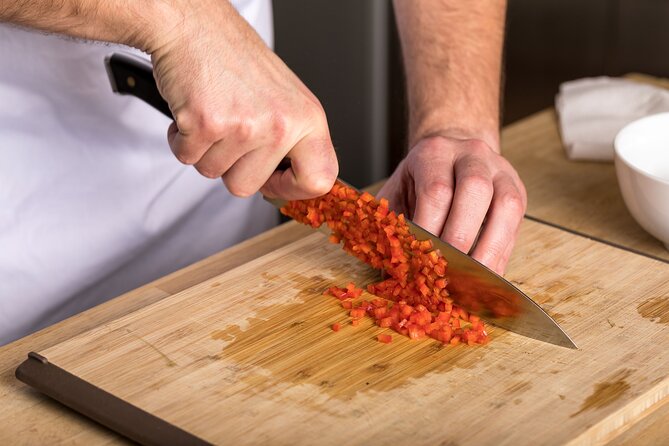
Once the cooking is done, you sit down and eat the cicchetti you prepared. Wine and water are included, which fits the way these small plates are traditionally enjoyed.
This is not a class where you cook briefly and then leave with a few samples. The activity is built around sharing the finished food. That makes the morning feel more social, especially with a maximum of six people around the table.
You should allow the full three hours. The time includes instruction, preparation, cooking, and eating, so the schedule is not simply a quick demonstration followed by a tasting.
The relaxed setting is part of the appeal. Venetian hospitality is often expressed through food that is shared slowly and casually, and this class follows that pattern better than a formal restaurant meal. You learn what is on the plate, then eat it while the techniques are still fresh in your mind.
Is $198.75 a fair price?
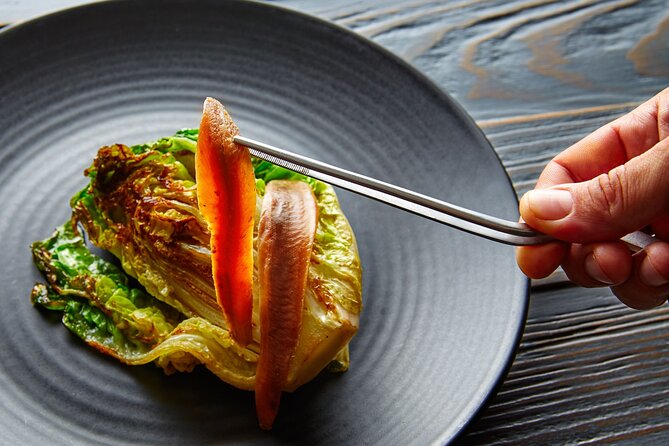
At $198.75 per person, this is not a budget activity. You are paying more than the cost of ordering cicchetti in a bacaro, and you should not book it only because you want lunch.
The price makes more sense when you count the full package: three hours, a maximum group of six, Chef Barbara’s instruction, all equipment and ingredients, six preparations, and wine and water. You also get recipes and techniques that can be used again at home.
The strongest value comes from the small group. A larger cooking class could offer a lower price, but you might spend much of the time watching someone else work. Here, the limited size suggests a better chance to take part in the food preparation and ask questions.
Still, you should compare this cost with your interests. If you would rather spend the morning visiting museums, wandering through Venice, or eating at several inexpensive bacari, this class may feel costly. If food is one of your main reasons for visiting Italy, the price is easier to justify.
The practical recipes help. One of the most useful aspects of the experience is that the dishes are not presented as food you can enjoy only in Venice. Meatballs, crostini, frittatina, and the seafood preparations can give you ideas for meals after your trip.
Who will enjoy this class most?
I would recommend this class to people who want an active food experience, not just a tasting. You should enjoy handling ingredients, following a chef’s instructions, and sharing a meal with a small group.
It also suits curious eaters who want to understand Venetian food beyond pizza and pasta. The menu introduces salt cod, octopus, sardines, polenta, cured meats, and seasonal produce in a single morning.
Home cooks will get the most lasting value. Several of the dishes are simple enough to repeat, and the small-plate format makes them useful for entertaining. You do not need to recreate the full six-course meal at home. A few crostini or meatballs can bring the Venetian idea to your own table.
Seafood lovers should be particularly happy with the menu. Three preparations focus strongly on seafood: creamed cod, octopus, and sarde in saor, with more seafood possibly appearing among the crostini.
This is less suitable if you dislike fish, octopus, or strongly flavored seafood. The class includes meat and vegetarian items, but seafood is central to the menu. You should also mention dietary needs before booking, even though adjustments may be possible.
Useful details before you book
The meeting point is in Dorsoduro, and the class ends back there. Transportation is not included, so plan your own way to and from the kitchen.
You receive booking confirmation at the time of reservation, and the activity uses a mobile ticket. Service animals are allowed.
The class usually fills about 15 days ahead, so I would not wait until the last moment if your Venice schedule is fixed. The early start also matters. At 10:00 a.m., you will spend the middle of the day with a finished meal already behind you, leaving the afternoon open for sightseeing.
Free cancellation is available if you cancel at least 24 hours before the start time. Cancellations or changes made inside that window are not refunded, and the activity requires a minimum number of participants. If that minimum is not reached and the class is canceled, you are offered another option or a full refund.
Tips for Chef Barbara are not included. Bring a little extra for that if you feel she has made the class worthwhile.
Should you book the Venetian cicchetti class?
Book it if you want to cook with a local chef, prefer a group of six or fewer, and value recipes you can use after returning home. The menu gives you a broad taste of Venetian cooking, and the finished meal makes the three hours feel like more than a lesson.
Skip it if $198.75 feels too high for a meal and cooking activity, or if you are not keen on seafood. For the right food-minded visitor, this is a focused way to meet Venice through its small plates, one meatball, sardine, crostino, and spoonful of polenta at a time.
FAQ
Where does the Venetian cooking class begin?
The class begins in Dorsoduro, 30100 Venice, Metropolitan City of Venice, Italy.
What time does the class start?
The start time is 10:00 a.m.
How long does the cooking class last?
The experience lasts approximately three hours.
How many people can join the class?
The class has a maximum of six travelers.
Are wine and water included?
Yes. Wine and water are included, along with the equipment and ingredients needed for the class.
Can dietary needs be accommodated?
The class is designed to accommodate a variety of dietary needs. You should provide details in advance so the food can be adjusted as far as possible.
Just added around the world
- Treurer: Tapas Gourmet and Extra Virgin Olive Oil★ 4.7 · 3 reviews
- Triana Market Tapas Tour★ 4.9 · 12 reviews
- Turkish Tapas – Meze Cooking for Beginners in Istanbul★ 4.5 · 16 reviews
- Private Vienna Wine Tour with Top Austrian Wines and Tapas★ 5.0 · 18 reviews
- Evening traditional tapas walking tour in old Zaragoza center★ 5.0 · 19 reviews
- Vegetable Paella cooking class, tapas and Ruzafa market visit★ 5.0 · 79 reviews
- Tapas & Paella Experience | 3 Local places | Meet Travelers★ 5.0 · 5 reviews
- Valencia Food Tour: Tapas, Drinks and Delights with a Local★ 5.0 · 93 reviews
Italy Tapas Tours, compared.

Venice: Local Secrets of Venice Tapas & Wine Walking Tour
Read our review →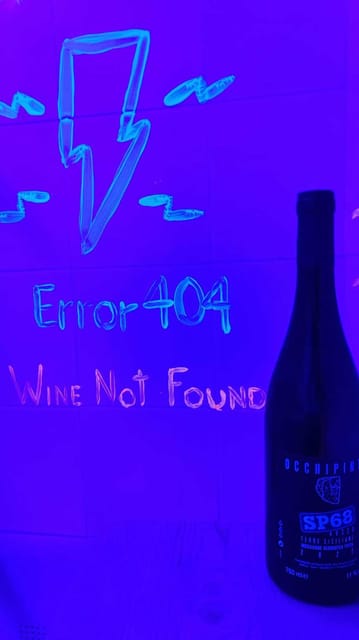

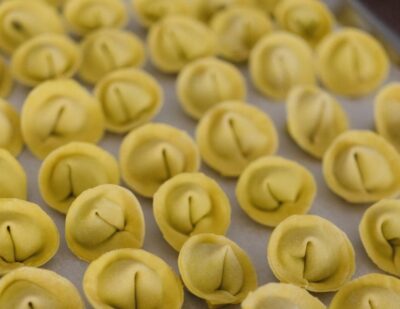
Olbia: Chef-Prepared Sardinian Tapas Tasting with Wine
Read our review →
Bachelorette party, boat party in Salerno with aperitif and tapas
Read our review →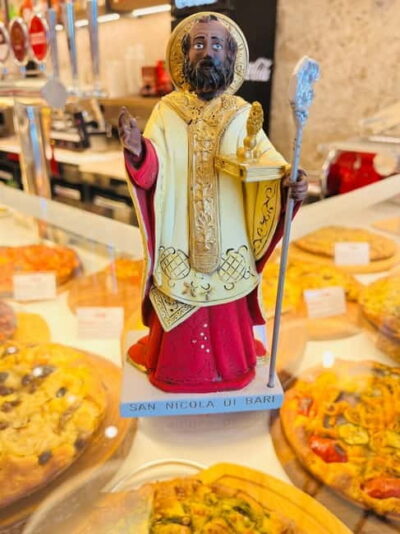
Bari Sunset and Tapas: Street Food Tour with Local Guide
Read our review →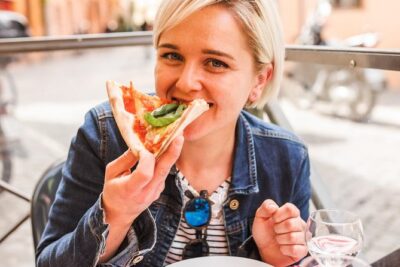
Aperitivo (Italian Tapas, kind of!) Like A Local In Rome, Private
Read our review →
Browse the lists this tour appears in