

Review · ITALY TAPAS TOURS
Turin: Interactive Vermouth-Making Workshop at Casa Martini
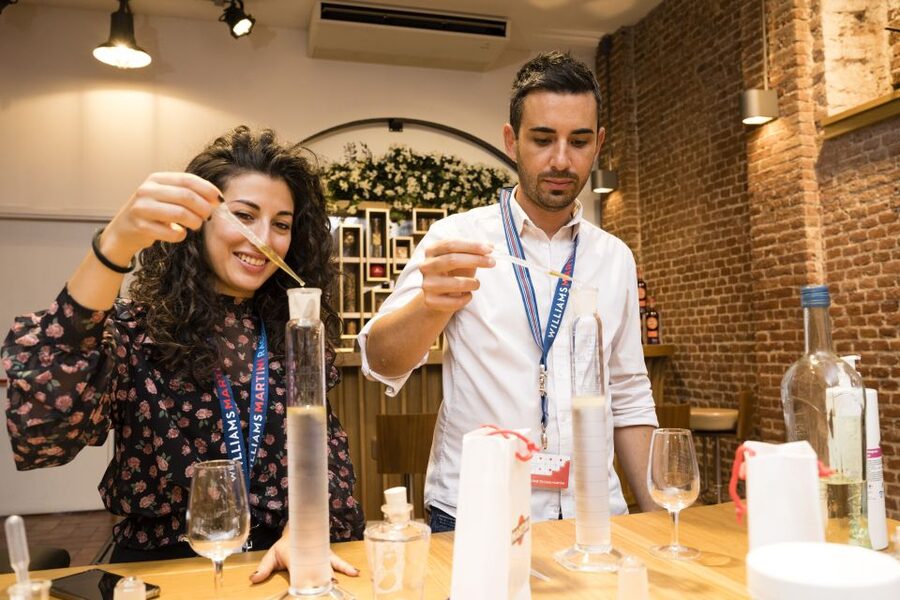
Turin gave vermouth its modern identity, and this one-hour workshop lets you explore the drink at Casa Martini rather than simply order a glass at a bar. I like the hands-on format, where you smell, taste, and balance botanicals yourself, and I like that you leave with your own bottle instead of only a memory. The class is led in Italian or English, with audio support in both languages.
The main consideration is the short length. One hour is enough for a lively introduction, but not a full study of vermouth production. The production plant is not included, and the workshop is for adults 18 and older.
Key points to know before booking
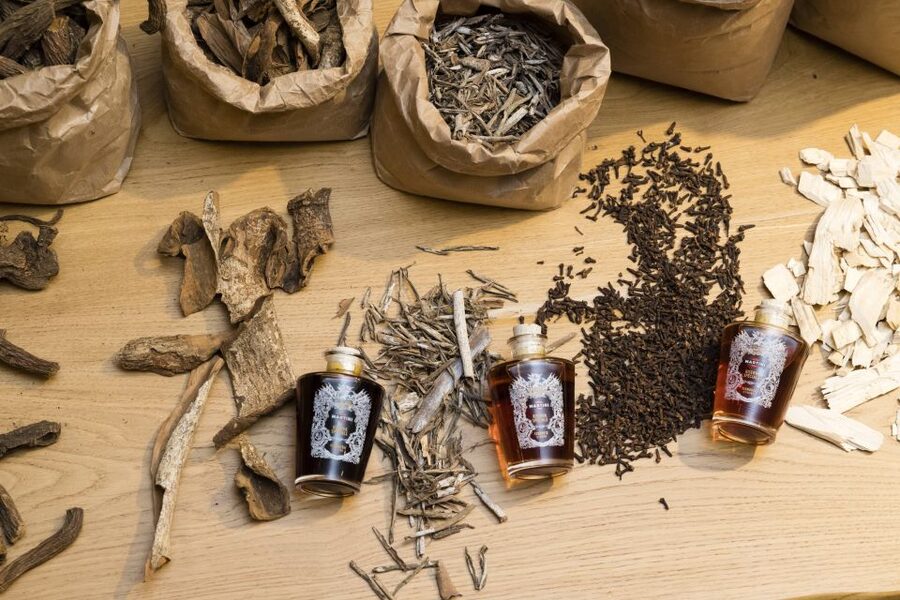
- You make your own bottle: The class ends with a personal vermouth blend that you can take home.
- Turin is the right setting: You learn about a drink that began in mid-18th-century Turin, at the home of Martini and Rossi.
- Taste and smell matter: The workshop focuses on botanicals, aromatic notes, and balance rather than a lecture alone.
- The price covers more than the class: At $39.86 per person, your fee includes equipment, ingredients, tasting, one bottle of homemade vermouth, and access to the Casa Martini museums.
- Plan for one focused hour: The class is compact, so it works well in a busy Turin schedule but leaves little time for a slow, detailed production tour.
- Wear closed, sensible shoes: High heels and open-toed shoes are not allowed, and you need a passport or ID card, or a copy.
Why Turin is the proper place to learn vermouth

Vermouth is not simply sweet wine with a famous label. It is an aromatized fortified wine, meaning wine is strengthened and flavored with botanicals. The skill lies in bringing those ingredients into balance, so one aroma does not overwhelm the others.
That idea gives the class a useful purpose. You are not just tasting Martini products in a polished setting. You are learning why vermouth tastes the way it does and how makers think about aromatic notes.
The drink’s story begins in mid-18th-century Turin. That local connection makes Casa Martini a fitting place for the workshop. You get a little Piedmont context while learning a practical skill, and the setting adds meaning to the bottle you take home.
I especially like this kind of activity for visitors who want more than a standard museum visit. Turin has plenty of grand squares, historic cafés, and elegant buildings. A vermouth class gives you another way to understand the city, through one of its best-known drinks.
More Vermouth and Tapas Tours in Italy:
- Vermouth Tasting in Turin City Center
★ 4.8 · 32 reviews - Vermouth Class – creazione di vermouth e degustazione prodotti Martini
★ 5.0 · 3 reviews - Vermouth Multi-sensory Tasting in Turin
★ 5.0 · 3 reviews
Finding the Martini Bar Academy
The meeting point is the Martini Bar Academy at Casa Martini. Look for the iron gate marked Casa Martini Welcome! That detail matters because the site includes several visitor areas, and knowing the correct entrance will save you from wandering around the property before your class.
The workshop begins and ends at the same meeting point. You do not need to arrange transportation between parts of the activity, and the one-hour format makes it easy to fit into a larger day in Turin.
The activity is wheelchair accessible. You should wear closed-toe shoes, since open-toed shoes and high heels are not allowed. Smoking, pets, alcohol, drugs, and explosive substances are also prohibited.
Bring a passport or ID card. A copy is accepted, which is useful if you prefer not to carry your original document around Turin.
What happens during the one-hour class
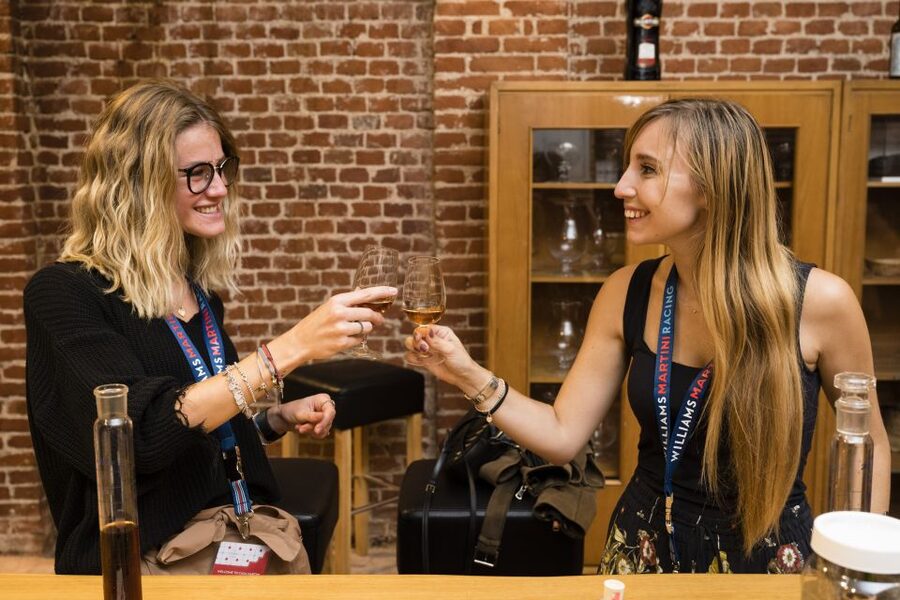
The session is designed as an interactive guided workshop, not a passive talk. An instructor works with you in Italian or English, and an audio guide is available in both languages.
The first part introduces vermouth and its place in Turin. You learn how the drink developed in the city during the mid-18th century and how its makers use wine, fortification, and botanicals to create a finished style.
The class then turns toward technique. You hear about older methods used to build vermouth and the importance of balance between aromatic notes. The available information does not provide a minute-by-minute schedule, so exact timing can vary, but the structure is clear: introduction, tasting, hands-on creation, and a bottle to take home.
That order works well. First, you get enough background to understand what you are tasting. Then you use your senses rather than simply being told what a botanical contributes. Finally, you apply the lesson by making your own blend.
The workshop is brief, so expect a focused introduction rather than a professional-level course. You will learn the central principles and try the process yourself, but you should not expect a long technical examination of every ingredient or stage of factory production.
Smelling, tasting, and finding the balance
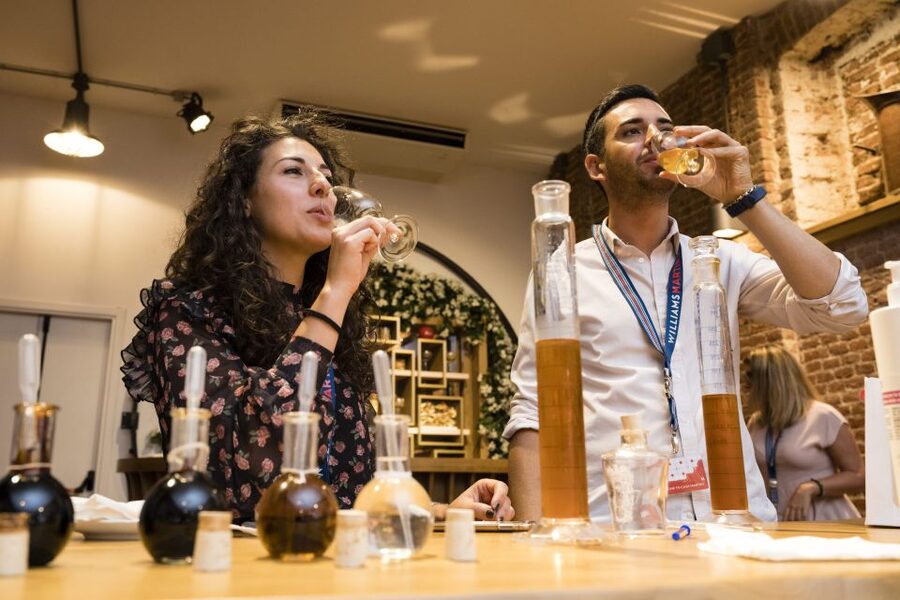
The most interesting part is the sensory work. You touch, smell, and taste your way through the class, which makes the subject easier to grasp than a wall of written information.
Botanicals can be difficult to understand in the abstract. Once you smell and taste them, the idea of aromatic balance becomes more concrete. You can think about which notes seem strong, which ones soften the blend, and how different ingredients affect the final drink.
The tasting also gives you a better sense of why vermouth is not one single flavor. Different blends can produce different impressions, even when they belong to the same broad family. One of the strongest reasons to book this experience is precisely that chance to try different combinations and compare them.
You should arrive ready to pay attention. This is not the place to rush through a quick sample before moving on to the next attraction. The workshop works best when you take time with each smell and sip.
You also need to remember that the class is for people 18 and older. Children under 18 cannot take part, so families with younger children will need to choose another Casa Martini activity or plan a separate visit.
A few more tapas tours around Italy worth a look
- Venetian Tapas Cooking Class (Includes 6-Course Meal)
★ 5.0 · 2 reviews - Barcelona Paella Cooking Class with Market Visit, Tapas & Sangria
★ 5.0 · 2,531 reviews - Spanish Cooking Class Paella Tapas and Sangria in Madrid
★ 5.0 · 1,340 reviews - Madrid: Paella and Sangria Workshop in the City Center
★ 4.9 · 1,264 reviews
Making your own vermouth bottle
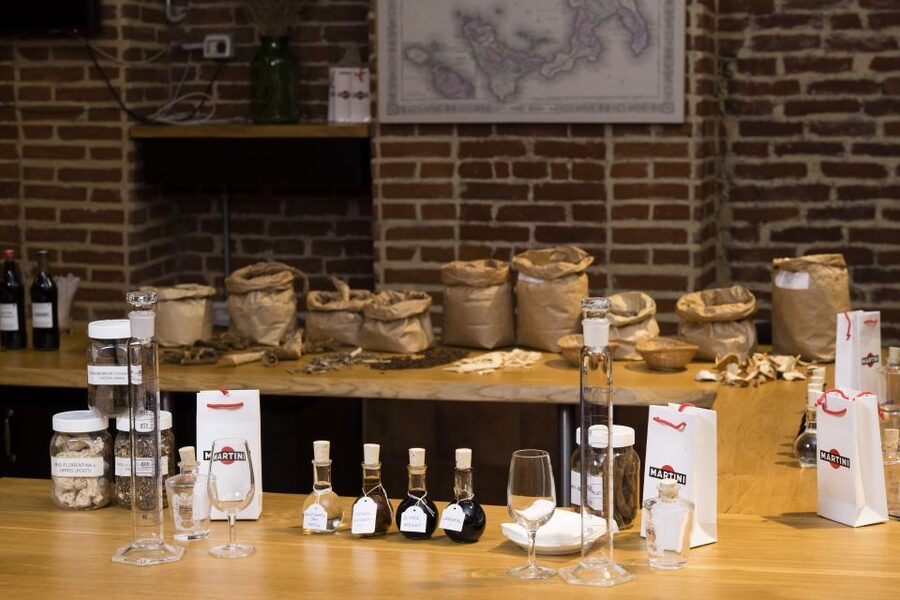
The workshop’s practical payoff comes at the end, when you create your own bottle of vermouth. You are not only learning about a classic Turin drink. You are making a personal version and taking it home.
That bottle gives the class more value than a standard tasting. A tasting can be enjoyable and informative, but it ends when you leave the room. Your homemade bottle extends the experience into the rest of your trip and beyond.
It also gives you a simple way to remember what you learned about balance. You may not recreate a commercial Martini formula, and the class does not promise that you will. The point is to try the craft yourself and leave with something connected to your own choices.
The available details do not specify the bottle size or the exact range of ingredients. For that reason, I would treat the bottle as a meaningful souvenir and hands-on result, not assume it will be a large retail-sized product or a full production recipe.
Casa Martini museums after the class
Entry to the adjoining Casa Martini museums is included in the workshop ticket, though visiting them is optional. This gives you a useful choice.
If you want a compact activity, you can finish after the workshop and continue with your Turin plans. If you enjoy brand history and have extra time, you can stay on for the museums and add more context to the class.
The museums are especially worthwhile if you want to place the workshop in the wider story of Martini and Rossi. The class explains how vermouth is made and tasted. The adjoining museum spaces can give your visit a broader frame, though the supplied details do not specify the exact exhibits or how long a museum visit takes.
Do not confuse the museum access with a production tour. Entry to the production plant is not included. If seeing the manufacturing area is your main goal, this workshop alone will not provide that access.
Is $39.86 a fair price?
At $39.86 per person, the value depends on what you want from a short food and drink activity. You receive an interactive class, equipment, ingredients, vermouth tasting, one homemade bottle, and optional entry to the Casa Martini museums.
That is a fair package for a one-hour activity, especially because the bottle gives you a physical souvenir and the class involves real participation. A simple museum ticket might cost less, but it would not give you the tasting or the chance to make your own blend. A longer factory visit might offer more production detail, but that is not part of this experience.
The price is easiest to justify if you enjoy aperitivo culture, regional drinks, or practical workshops. It is less compelling if you only want a quick taste of Martini vermouth and have no interest in how the drink is made.
The included museum access improves the value, but only if you use it. Since it is optional, you can judge the workshop on its own merits. I would book it as a compact craft experience with a useful souvenir, not as a full-day Casa Martini visit.
Who will enjoy this workshop most?
This activity suits adults who like food and drink experiences with a local connection. You will get the most from it if you enjoy tasting carefully, asking questions, and experimenting with flavors.
It is also a good choice for a short stay in Turin. The session lasts one hour, so you can place it between sightseeing stops without giving up half a day. The start time depends on availability, so check the schedule before building your day around it.
The workshop works well for couples, friends, and solo visitors. The hands-on format gives solo participants something to do beyond listening, while small groups can compare their choices and results.
I would also recommend it to visitors who already know vermouth as an aperitivo but have never considered how it is built. You get a practical explanation without needing specialist knowledge beforehand.
It is not the best match for anyone seeking a long production tour, a detailed professional qualification, or an activity suitable for children. The plant is excluded, the session is short, and the age limit is firm.
Language, access, and practical restrictions
The instructor language options are Italian and English. An Italian and English audio guide is included, so you can follow the material even if you prefer extra help with technical terms.
Casa Martini lists the activity as wheelchair accessible. That makes the workshop easier to consider for visitors who need an accessible experience, though you should still check current details when booking if you have specific mobility requirements.
The clothing rules are simple but important. Wear flat, closed shoes. High heels and open toes are not allowed. Since you will be handling ingredients and equipment, practical clothing makes more sense than dressing for an evening aperitivo.
The experience does not allow pets, smoking, indoor smoking, alcohol or drugs, or explosive substances. These rules are straightforward, but checking them in advance can prevent an awkward surprise at the entrance.
You can cancel up to 24 hours before the activity for a full refund. The reserve-now-and-pay-later option also helps if your Turin schedule is still changing.
How this fits into a Turin day
Because the workshop lasts only one hour, you can pair it with other Turin sights. The session is held at Casa Martini and returns you to the same meeting point, so there is no transfer time between the class and the end of the activity.
You might schedule the museum visit immediately afterward if you want a fuller Casa Martini stop. Or you can treat the class as a small break in a day devoted to Turin’s streets, cafés, and museums.
I would avoid booking it at the very end of a tight schedule if you have a train or another timed reservation. Starting times vary, and the museum visit is optional, so give yourself room rather than trying to force every part into a narrow window.
The one-hour duration is both a strength and a limit. It keeps the experience manageable and affordable, but it means the workshop cannot cover every detail of vermouth production. Go in expecting a lively introduction and a hands-on result.
Should you book the Casa Martini vermouth workshop?
I would book this experience if you want to understand vermouth through your senses and make something of your own. The Turin setting, the tasting, the botanical work, and the take-home bottle give it more substance than a simple brand presentation.
The strongest reasons to choose it are the interactive format and the chance to try different blends. You are not only hearing about the drink’s Turin origins. You are handling the ingredients, thinking about balance, and leaving with a bottle connected to the experience.
Skip it if your priority is a production plant visit, a long technical course, or a family activity for children under 18. For everyone else, $39.86 is a reasonable price for a compact adult workshop that combines local drink culture, tasting, museum access, and a souvenir you make yourself.
FAQ
Where does the vermouth workshop begin?
The activity begins at the Martini Bar Academy. Look for the iron gate with the sign Casa Martini Welcome! The workshop also ends at this meeting point.
How long does the Casa Martini workshop last?
The workshop lasts one hour. Starting times vary, so check availability for the date you want.
What does the $39.86 price include?
The price includes the interactive vermouth-making class, equipment, ingredients, vermouth tasting, one bottle of homemade vermouth, and optional entry to the Casa Martini museums.
Is the production plant included?
No. Entry to the production plant is not included in this activity.
Is the workshop available in English?
Yes. The instructor languages are Italian and English, and an Italian and English audio guide is included.
Can children take part?
No. The activity is not suitable for children under 18.
What should I bring and wear?
Bring a passport or ID card. A copy is accepted. Wear closed-toe shoes, since high heels and open-toed shoes are not allowed.
Just added around Italy
- Vermouth Tasting in Turin City Center★ 4.8 · 32 reviews
- Turin: The Original Vermouth Experience with Cocktail-Making★ 5.0 · 2 reviews
- Venetian Tapas Cooking Class (Includes 6-Course Meal)★ 5.0 · 2 reviews
- Vermouth Class – creazione di vermouth e degustazione prodotti Martini★ 5.0 · 3 reviews
- Vermouth Multi-sensory Tasting in Turin★ 5.0 · 3 reviews
- Olbia Sardinian Tapas Tasting★ 3.5 · 3 reviews
- Aperitivo (Italian Tapas, kind of!) Like A Local In Rome, Private★ 4.5 · 3 reviews
- Bachelorette party, boat party in Salerno with aperitif and tapas★ 5.0 · 7 reviews
Italy Tapas Tours, compared.

Venice: Local Secrets of Venice Tapas & Wine Walking Tour
Read our review →


Olbia: Chef-Prepared Sardinian Tapas Tasting with Wine
Read our review →

Bachelorette party, boat party in Salerno with aperitif and tapas
Read our review →
Bari Sunset and Tapas: Street Food Tour with Local Guide
Read our review →
Aperitivo (Italian Tapas, kind of!) Like A Local In Rome, Private
Read our review →Browse the lists this tour appears in