Review · VALENCIA TAPAS TOURS
Real Paella Cooking Class – Market Visit & Sangría Workshop
The best part of this Valencia cooking class is that you do not just watch someone make paella. You visit Ruzafa Market, choose ingredients with your chef, then cook the dish yourself in a small-group kitchen. Anna, José, Guillermo, Cristina, and other local instructors guide the work with plenty of humor and hands-on help.
I especially like the market stop and the chance to learn socarrat, the crisp rice layer at the bottom of the pan. The included tapas, sangria, wine, beer, dessert, and coffee also make the $77 price easier to justify. The main thing to consider is group size: some sessions are intimate, while others are large enough to feel more like a lively communal meal than a quiet lesson.
Key points at a glance
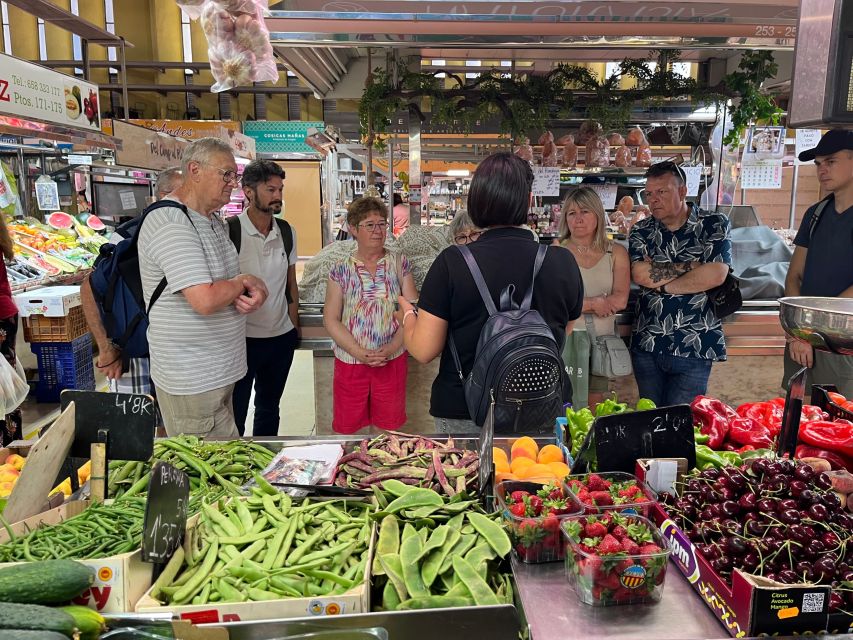
- Ruzafa Market first: See where local residents shop and help select ingredients before cooking.
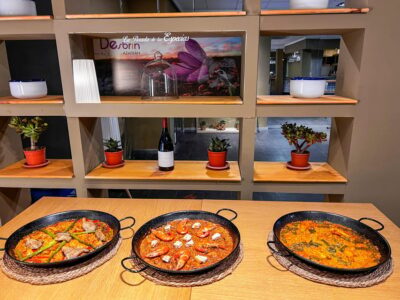
- Two paella choices: Prepare either Valencian meat and vegetable paella or seafood paella with salmorreta.
- The socarrat lesson: Learn how to create the golden, crisp rice crust that many Valencians prize most.
- A full afternoon of food: Tapas, bottomless sangria, beer, DO Valencia wine, salad, fruit, cake, coffee, and mistela are included.
- A social format: You cook in teams, then sit down together for a family-style meal.
- A useful souvenir: You leave with a recipe you can try at home, not just a few cooking memories.
Starting at San Valero Church and Ruzafa Market
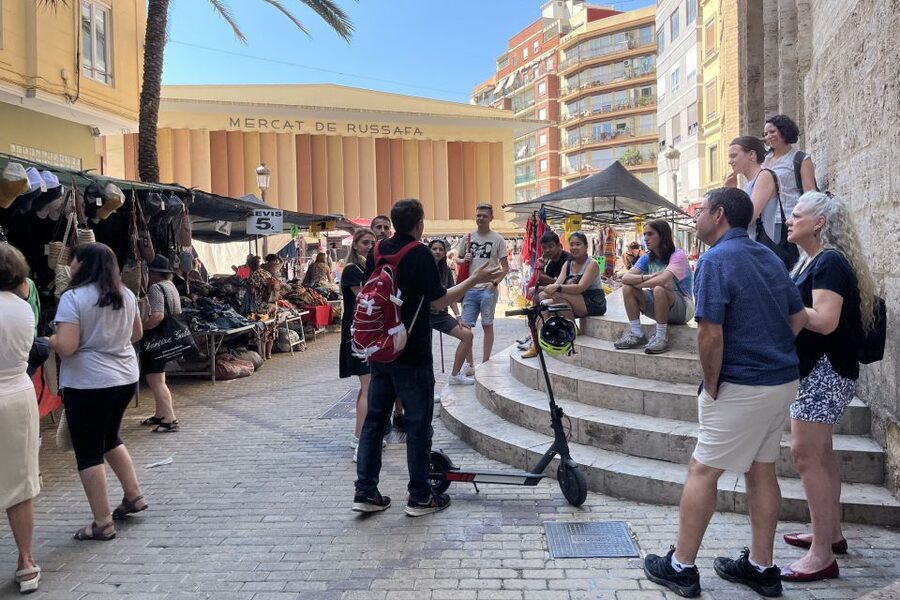
Your meeting point is the door of the Church of San Valero. From there, the group heads to Ruzafa Market, a neighborhood market used for everyday shopping. That choice matters. Valencia’s famous Central Market is worth seeing, but Ruzafa gives you a more ordinary look at the city’s food culture, with locals buying produce, seafood, meat, and other staples.
The market visit is not a long sightseeing tour. It is a practical introduction to the ingredients that will later go into your pan. Your chef explains what to look for and helps select the food for the class. This makes the cooking lesson easier to understand because you see the ingredients before they are chopped, seasoned, and combined.
I like this opening because it gives the paella a sense of place. You are not simply following a recipe assembled in advance. You see the local shopping setting, learn which ingredients matter, and connect the dish to Valencia itself.
The market can also be the least predictable part of the outing. It is an active neighborhood food hall rather than a formal museum, so the visit may feel brief and practical. Extra purchases are not included, so bring a payment method if you want to buy something for later, but do not expect your market shopping to be part of the class price.
More Market and Tapas Tours in Valencia
- Paella Cooking Class, Wine Tasting & Central Market in Valencia
★ 5.0 · 1,150 reviews - Valencian paella cooking class, tapas and visit to Ruzafa market.
★ 5.0 · 828 reviews - Valencia: Paella Cooking Class with Central Market Tour
★ 5.0 · 721 reviews
Walking to the kitchen for tapas and sangria
After the market, you walk a short distance to the cooking kitchen. The welcome begins with a generous spread of Spanish bites, including Manchego cheese, jamón serrano, steamed mussels, patatas bravas, and olives.
This is more than filler while the pans heat. The food gives you a quick introduction to familiar Spanish flavors and takes the pressure off the cooking. You can settle in, meet the people at your table, and start asking questions before the main lesson begins.
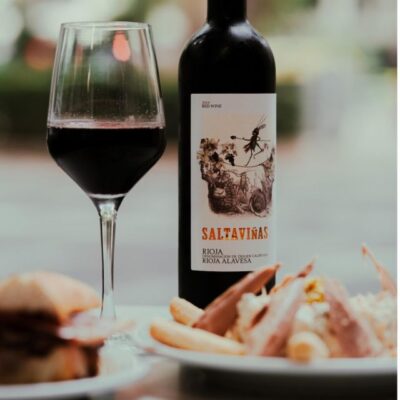
The sangria workshop comes early, too. You learn how it is prepared, then enjoy it while the class gets underway. Beer, soft drinks, and DO Valencia wine are also available, which is useful for a mixed group with different tastes. Non-alcoholic choices are specifically available, so you do not need to drink to take part in the social side of the meal.
The drinks are a real part of the value here, but they shape the mood. This is a cheerful, food-and-drink-heavy afternoon, not a tightly controlled culinary school. If you want a sober, technical lesson with every minute focused on knife skills, this may feel too relaxed. If you enjoy learning through conversation and shared food, the format works well.
Cooking Valencian paella with local chefs
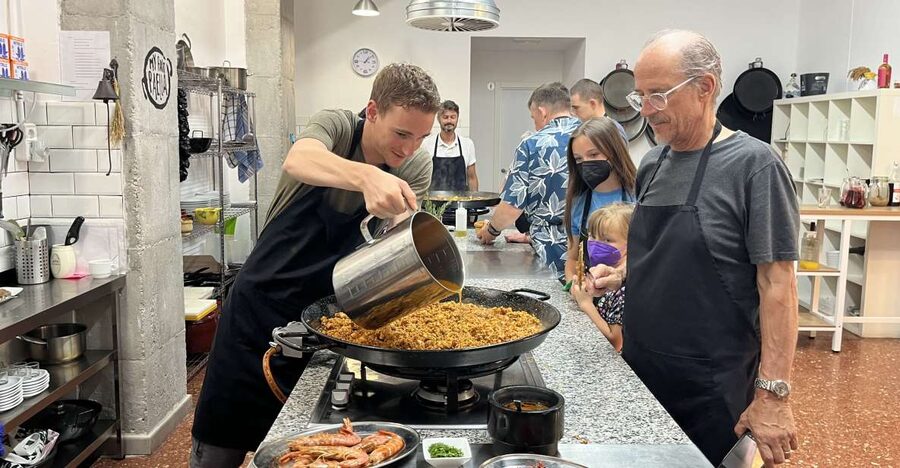
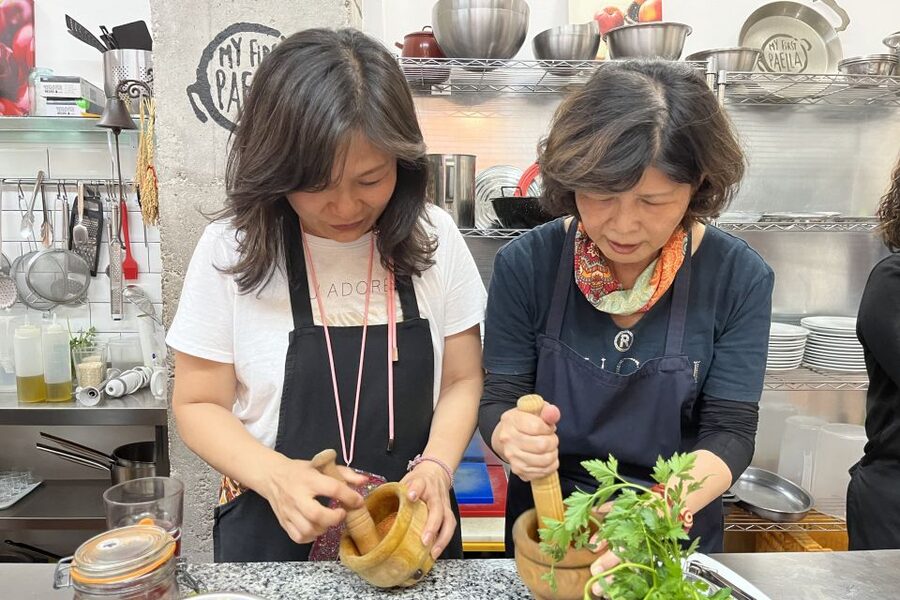
The main lesson focuses on authentic Valencian paella. You choose between meat and vegetables or seafood, with the seafood version using the traditional salmorreta sofrito. The class does not combine meat and seafood in one pan, which suits the Valencian approach presented here.
The chefs explain the process step by step. You learn why J. Sendra rice is used, how much saffron is appropriate, and how each stage affects the final texture. The goal is not simply to produce something edible by lunchtime. You learn the decisions that separate a proper paella from rice cooked with random additions.
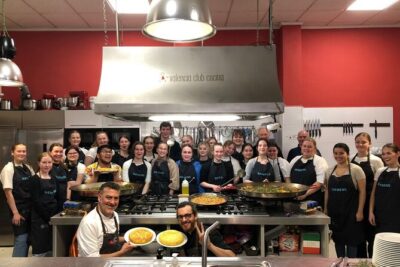
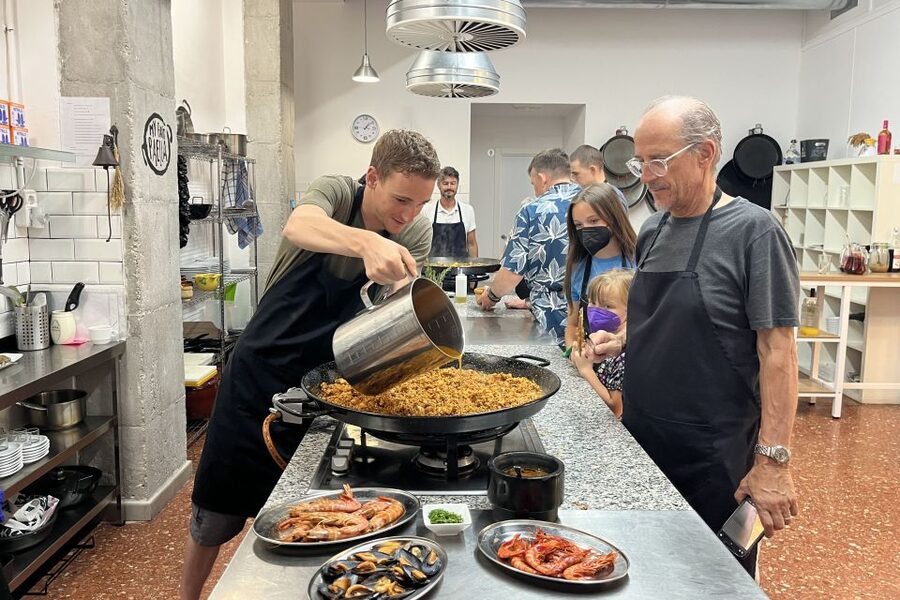
This is a hands-on class. You help prepare the dish, and the chefs correct your work as you go. The instructors named most often in the sessions include Anna, José, Guillermo, and Cristina. Their role is part teacher, part host, and part dining-room comedian. Anna is especially good at making people feel included, while José and Guillermo are often praised for combining clear instructions with a light touch.
You should expect to cook as part of a team rather than prepare a private pan from start to finish. That arrangement has benefits. You can share jobs, compare techniques, and meet people from several countries. It also means you may not personally handle every step for the same length of time. If full individual control matters to you, ask how the groups are arranged when you book.
The class has worked well for families, too. Children have been included in the preparation, and the group format gives younger cooks a role without requiring advanced skills. Still, the presence of alcohol and the length of the meal make this more suitable for families who are comfortable with a relaxed adult dining setting.
Why the socarrat lesson matters
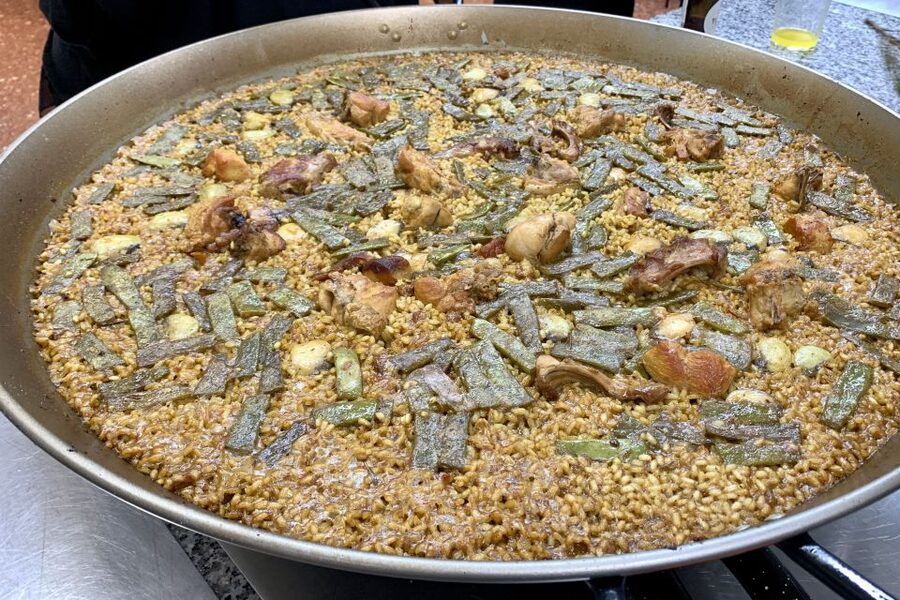
The most useful technical lesson is the socarrat. This is the thin, crisp layer of rice that forms at the bottom of the pan. In Valencia, it is often treated as the best part, and the class shows you how to aim for that browned finish without burning the whole dish.
You also learn how the rice, saffron, sofrito, and liquid work together. Those details are valuable because paella is not just a matter of adding rice to a pan and hoping for the best. The rice needs the right amount of liquid, and the final heat must be handled with care.
The promise of a recipe to take home adds practical value. You can recreate the dish after your trip instead of leaving with only a photograph and a vague memory of the ingredients. The lesson is still a group demonstration with shared work, so you may need to write down extra notes if you want to reproduce every detail later.
More Paella Cooking Classes in Valencia
- Valencia: Catamaran Cruise, Paella Lunch and Swim Stop
★ 4.0 · 445 reviews - Valencian paella workshop and visit to the Algiros market
★ 5.0 · 338 reviews - Seafood paella cooking class, tapas and visit to Ruzafa market.
★ 5.0 · 328 reviews - Valencia: Evening Guided Paella Workshop, Tapas, and Drinks
★ 4.9 · 326 reviews
Sitting down to eat the paella
Once the paella is ready, everyone sits down together. This is where the class shifts from workshop to communal meal. You eat the paella your group prepared, alongside Valencian tomato salad, seasonal fruit, coca de llanda, coffee, and mistela.
Coca de llanda is a traditional Valencian sponge cake, and it gives the meal a local finish rather than ending with a generic packaged dessert. Mistela provides the final regional touch. The result is a substantial three-and-a-half-hour outing, not a quick cooking demonstration squeezed between sightseeing stops.
The shared table is one of the strongest parts of the format. You have already cooked together, so the final meal feels earned. The food also gives you time to compare the meat and vegetable version with the seafood preparation if more than one pan is being made.
Do not schedule a major attraction immediately afterward. The class includes food before cooking, drinks during the lesson, paella, dessert, coffee, and a final drink. It is best treated as a full afternoon or late-morning activity, depending on the available start time.
How much value do you get for $77?
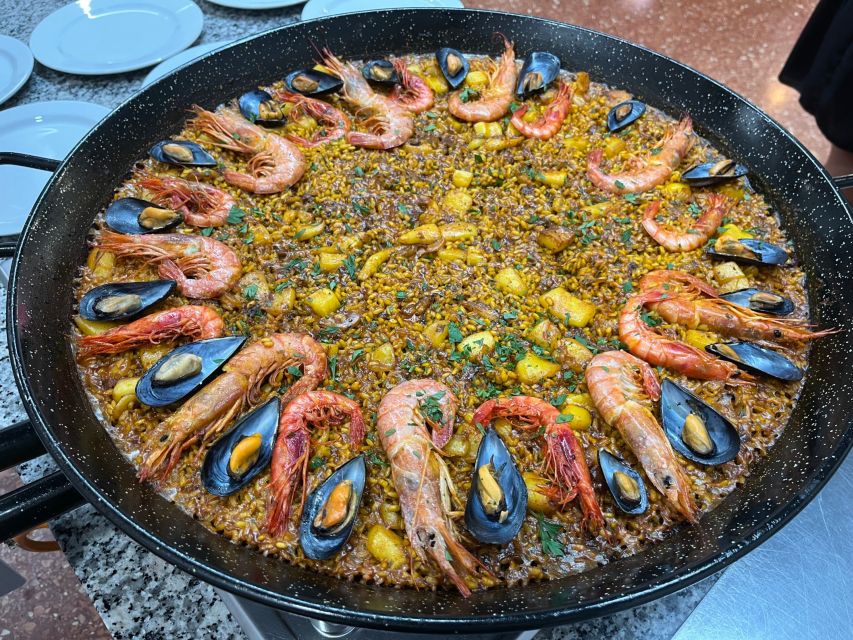
At $77 per person, this is not the cheapest way to eat paella in Valencia. You are paying for much more than a plate of rice, though. The price includes the market visit, chef instruction, all cooking ingredients, several tapas, sangria, beer, wine, dessert, coffee, and mistela.
A restaurant meal could cost less, especially if you choose a simple menu and skip drinks. It would not give you the market visit, the cooking instruction, or the chance to make the dish yourself. A private cooking lesson could cost more, while this class spreads the teaching across a group and keeps the price moderate.
The value is strongest if you want several things in one booking: local food context, a social activity, a full meal, and a recipe you can use later. It is less compelling if your only goal is to eat paella or visit Ruzafa Market. You are paying for the whole afternoon, including the atmosphere and the steady flow of food and drinks.
The high rating, listed as 5 out of 5 from 291 reviews, fits the parts of the activity that receive the most praise: friendly chefs, a fun group mood, good organization, and tasty food. I would still read the format honestly. This is designed to be welcoming and entertaining first, with serious cooking instruction built into that setting.
Group size, pace, and the social side
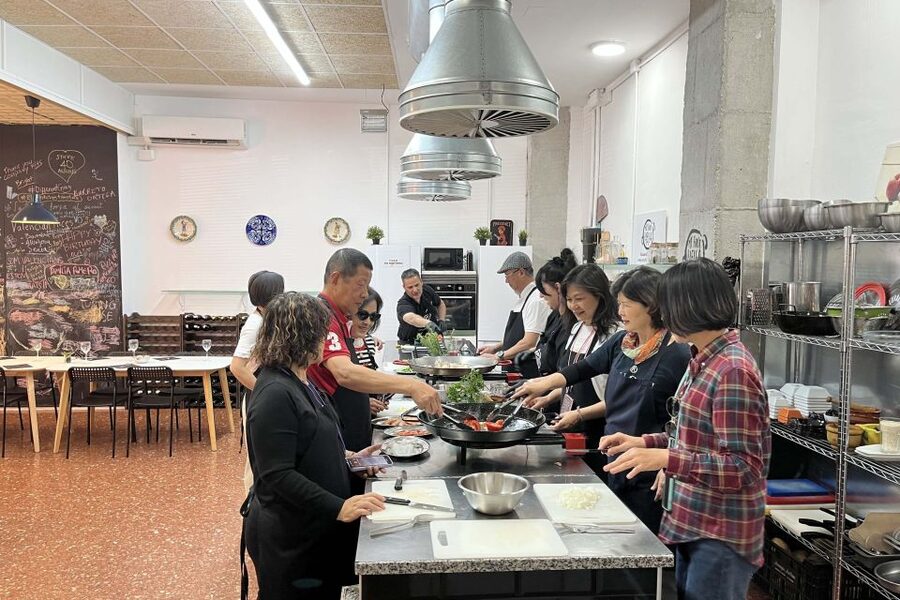
Group size varies. One session had only six people, while another felt much larger than expected. A small group gives you more direct contact with the chef and more chances to ask questions. A larger group can make the cooking less personal, but it also adds energy and makes the final meal feel like a long table of new acquaintances.
The class often divides people into several cooking groups. That lets the chefs supervise multiple pans and keeps everyone involved, but your exact level of hands-on time may depend on the group arrangement. I would choose this activity for a solo visitor, couple, family, or small group that enjoys meeting others rather than for someone seeking a private lesson.
The instructors are a major reason the format works. Anna is described as funny, warm, and easy to follow. José is praised for his charm and care, while Guillermo and Cristina help keep the group moving and included. The staff clearly put effort into making newcomers feel part of the meal.
English is the listed tour language. The group may include people with different first languages, and the instructors have made an effort to keep everyone involved. Still, the class relies on spoken explanations, demonstrations, and group interaction, so you should be comfortable following a live English lesson.
Practical details before you book
The activity lasts 3.5 hours. Check the available start time before booking, since the schedule can change. Meet at the door of the Church of San Valero, not directly at the market or kitchen.
Wear clothes and shoes that are comfortable for standing and moving around a kitchen. The information provided does not specify a dress code or special equipment, so do not assume that personal cooking tools are required. The class supplies the ingredients.
You can cancel for a full refund up to 24 hours in advance. The reserve-now, pay-later option is useful if you are arranging a Valencia itinerary that may change. These policies do not alter the cooking itself, but they make it easier to fit the class around museum visits, day trips, or a changing arrival schedule.
The included food is extensive, so eat lightly beforehand. You will have tapas before cooking, drinks during the lesson, the paella meal, dessert, coffee, and mistela. If you have dietary restrictions, allergies, or a strong preference for meat, vegetables, or seafood, confirm what options are available before paying, since the supplied details only specify the two main paella choices.
Who should book this paella class?
I would book this for anyone who wants a social introduction to Valencia through food. It suits first-time paella cooks, solo visitors who want an easy way to meet people, couples looking for a shared activity, and families whose children enjoy helping in the kitchen.
It is also a good choice for a last full day in Valencia. The market, cooking, meal, and local drinks give you a compact taste of the city without requiring several separate bookings. The recipe makes the outing useful beyond the trip.
I would hesitate if you dislike group activities, rarely drink, or want a quiet meal with precise one-to-one instruction. The class can be larger than expected, and its cheerful hospitality is part of the design. You should come ready to participate, ask questions, share work, and eat at a common table.
Should you book it?
Book it if you want to understand paella as a Valencian tradition rather than simply order it from a menu. The Ruzafa Market visit, the lesson on J. Sendra rice and socarrat, the local chefs, and the long meal give the $77 price solid value.
Skip it if you want a private culinary lesson or only need a quick lunch. For everyone else, this is a well-rounded Valencia activity with real food, useful instruction, and enough time to make the group feel like a temporary dining family.
FAQ
How long does the paella class last?
The activity lasts 3.5 hours, including the Ruzafa Market visit, cooking class, drinks, meal, dessert, coffee, and mistela.
Where do I meet the guide?
Meet the guide at the door of the Church of San Valero.
Is the market visit at Valencia’s Central Market?
No. The class visits Ruzafa Market, a neighborhood market where local residents do their daily shopping.
Which types of paella can I make?
You can prepare Valencian meat and vegetable paella or seafood paella. The seafood version uses a traditional salmorreta sofrito.
Are food and drinks included?
Yes. The price includes the cooking ingredients, tapas, sangria, beer, wine, soft drinks, salad, seasonal fruit, coca de llanda, coffee, and mistela.
Can I cancel the booking?
You can cancel up to 24 hours in advance for a full refund. A reserve-now, pay-later option is also available.
More Sangria and Tapas Tours in Valencia
- Any Day is Sunday: Paella Cooking Class with Tapas and Sangria
★ 5.0 · 51 reviews - Barcelona Paella Cooking Class with Market Visit, Tapas & Sangria
★ 5.0 · 2,531 reviews - Spanish Cooking Class Paella Tapas and Sangria in Madrid
★ 5.0 · 1,340 reviews - Barcelona Food Tour: Tapas, Paella, Sangria & 8+ Local Tastings
★ 5.0 · 1,275 reviews
More Spanish Cooking Classes in Valencia
- Valencian Paella Cooking Class, Tapas & Sangria – Evening
★ 5.0 · 303 reviews - Authentic Valencian Paella Cooking Class
★ 5.0 · 283 reviews - Authentic Valencian Paella Cooking Class
★ 4.8 · 99 reviews - Vegetable Paella cooking class, tapas and Ruzafa market visit
★ 5.0 · 79 reviews
Just added around Valencia
- Valencia: City Tour with Tapas Shore Excursion★ 5.0 · 9 reviews
- Valencia: Tapas and Sightseeing guided tour★ 4.9 · 9 reviews
- Valencia: Wine Tasting and Tapas Experience★ 4.5 · 38 reviews
- Valencia Old Town flavour walk: tapas & drinks by local★ 5.0 · 11 reviews
- Valencia: Paella Cooking Class with Tapas and Drinks★ 5.0 · 25 reviews
- Valencia: Mysteries, Legends, & Local Tapas Experience★ 4.9 · 14 reviews
- Valencia: Street Food Tour including Paella & Tapas Tasting★ 5.0 · 2 reviews
- Valencia: Authentic Tapas & Drinks with a Local★ 4.7 · 51 reviews
Valencia Tapas Tours, compared.

Valencia Old Town Tour with Wine & Tapas in 11th Century Historic Monument
Read our review →
Old Town Tour, Wine & Tapas in an 11th c. Monument
Read our review →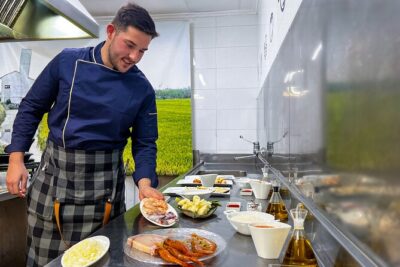
Paella Cooking Class, Wine Tasting & Central Market in Valencia
Read our review →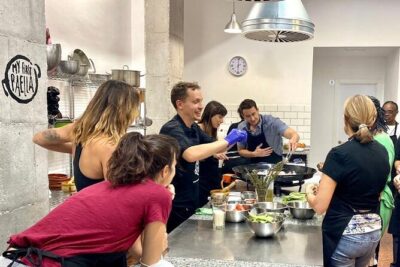
Valencian paella cooking class, tapas and visit to Ruzafa market.
Read our review →