
Review · CORDOBA TAPAS TOURS
Cordoba: From Vine to Table: A Spanish Wine Experience
Natural Spanish wine takes center stage here, but the real pleasure is hearing the human story behind each bottle. You taste wines from family producers, learn how they work with nature, and pair each pour with seasonal tapas and Mediterranean dishes.
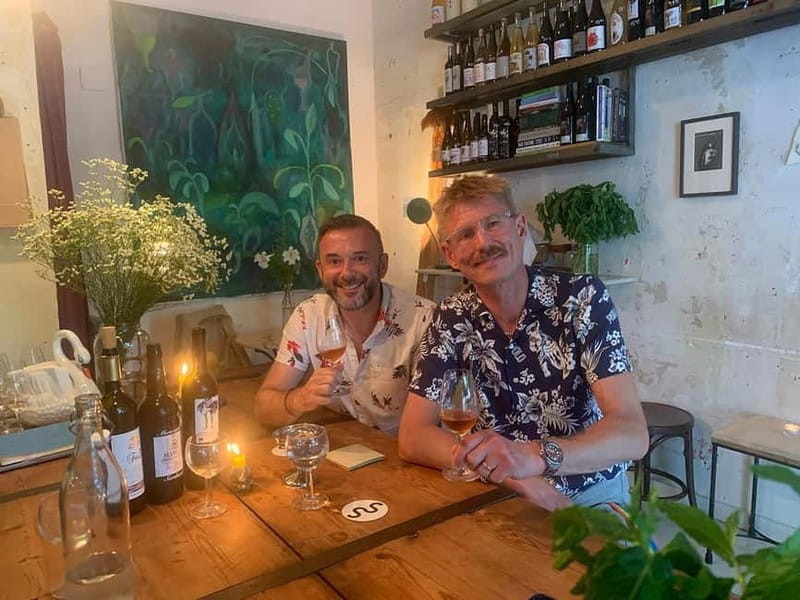
I like the small-group setting, which gives you room to ask questions rather than simply receive a glass and a speech. I also like the focus on the winemakers and their philosophies. One practical caution: the online photographs may not match the actual setting, so book this for the food, wine, and conversation rather than for a picture-perfect room.
A published score of 4.4 from three ratings reflects a young but positive record. One direct account praised the natural wines and described the enologist as charming and well prepared, while also warning that the photos did not reflect the experience accurately.
Key points to know before booking
- Natural Spanish wines lead the tasting: Expect the session to focus on bottles made by producers who favor nature and avoid industrial shortcuts.
- The guide connects each wine to its maker: You hear about the families, vineyards, philosophies, and stories behind the labels.
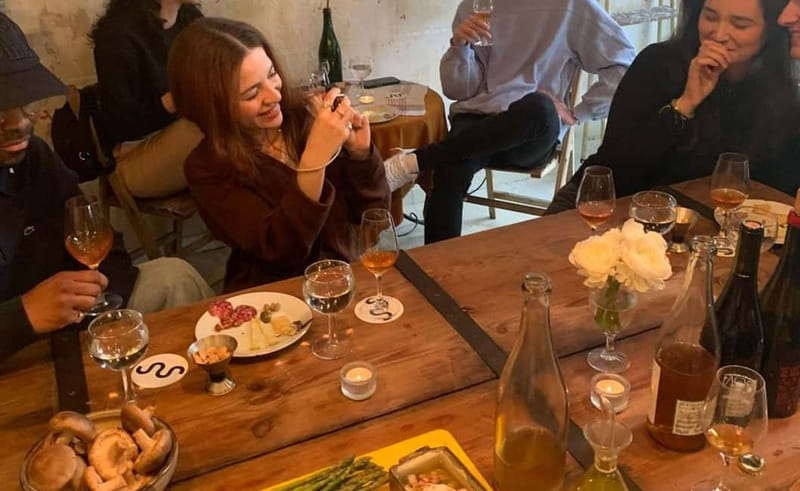
- Seasonal tapas are part of the price: The food is not an afterthought, but a planned match for the wines.
- The format is intimate: Small groups make this better for conversation than for a large, formal tasting.
- The experience lasts 90 minutes: It fits neatly into a Cordoba afternoon or evening.
- The setting may look different from the photos: Keep expectations centered on the tasting rather than the room.
Starting at a small Cordoba wine store
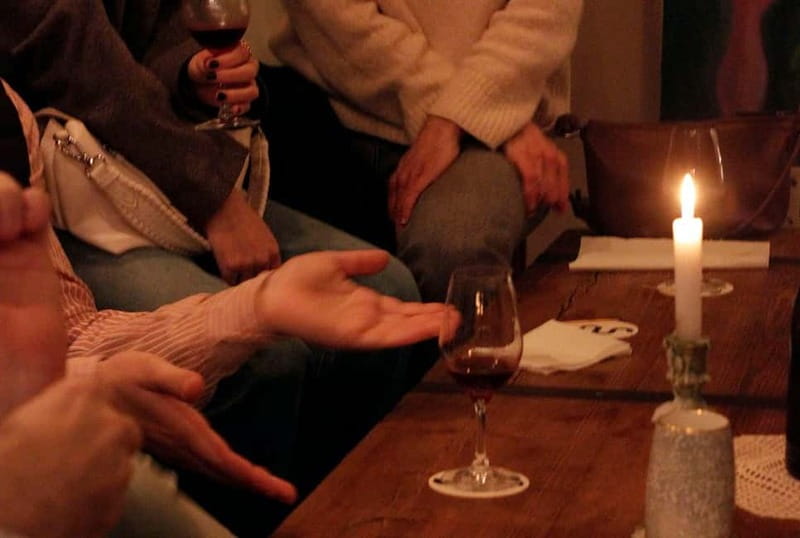
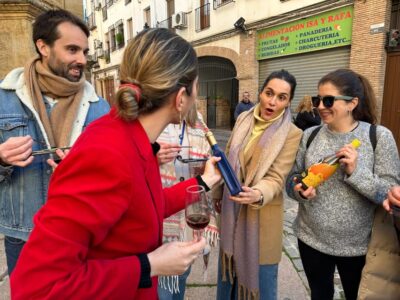
The meeting point is a small, charming wine store. That gives the experience a friendly, local feel from the first minute, though you should not expect a grand cellar or a sweeping vineyard setting. This is an urban tasting, built around bottles, food, and conversation.
The shop setting also makes sense for the subject. Natural wine can seem like a specialist corner of the wine world, but a small store is a good place to make it approachable. You can look at the bottles, hear why they were selected, and connect the label with the people who made it.
The activity includes a separate entrance, described as a skip-the-line arrangement. Since the session is short, that matters. You are not spending part of your 90 minutes waiting around before the tasting begins.
The meeting point is central to the experience, but the exact address and starting time should be checked when you book. Several start times may be available, and availability changes by date.
More Tapas and Wine Tours in Spain
- Montserrat Half-Day Tour with Tapas and Gourmet Wines
★ 5.0 · 7,359 reviews - Montserrat & Cogwheel Train, Gourmet Wine Tasting & Tapas/Lunch
★ 5.0 · 6,290 reviews - Barcelona Tapas and Wine Experience Small-Group Walking Tour
★ 5.0 · 5,804 reviews
The first pour: natural wine without the lecture
The tasting is built around natural Spanish wines. The term can mean different things to different drinkers, so your guide’s explanation matters. Here, the emphasis is on producers who work with nature, avoid industrial shortcuts, and treat wine as part of a family and regional tradition.
You are not simply handed several glasses with a list of grapes. The guide explains who made each wine and why. You learn about the families behind the bottles, their working methods, and the ideas that shape each vintage.
That story-based approach is especially useful if you are new to natural wine. You may find that the wines taste less familiar than standard supermarket bottles. Rather than judging them by a single idea of what wine should be, you can ask questions and understand the choices behind each one.
A direct account praised the natural wines as excellent and singled out the enologist as both charming and well prepared. That is important because this kind of tasting depends heavily on the person leading it. A good guide makes room for curiosity, explains without showing off, and helps you decide what you actually like.
The guide speaks English or Spanish. If you have questions about flavor, production, or the winemakers, this is a setting where conversation is encouraged. The experience is not presented as a silent sequence of pours.
Stories behind the bottles and families
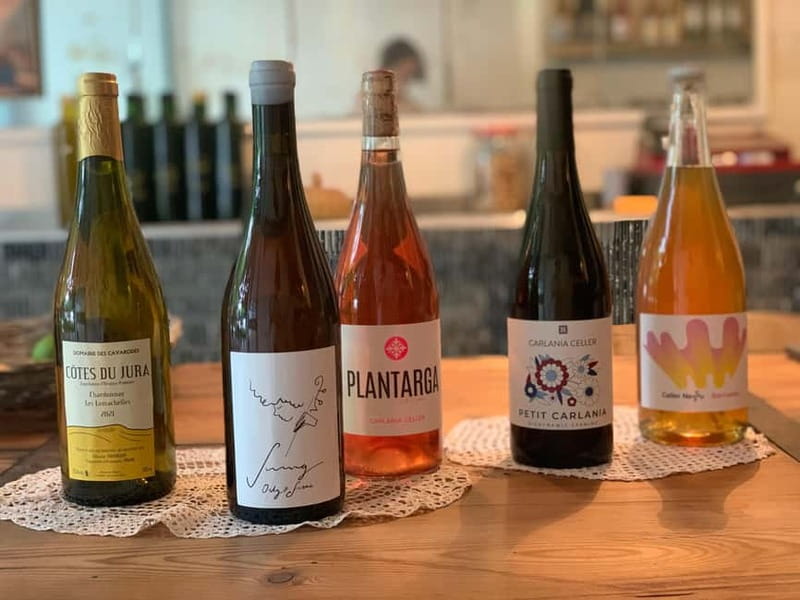
The most distinctive part of the tasting is the attention given to the people who make the wine. You hear about winemakers personally known to the guide, including their philosophies, passions, and efforts to preserve older traditions.
That personal connection changes the way you taste. A bottle is no longer just a product from Spain. It becomes part of a family story and a particular approach to working with the land. The information supplied for the experience emphasizes heritage, nature, and a rejection of industrial shortcuts.
I like this element because it gives the tasting a clear purpose. You are not trying to sample as many wines as possible. You are learning why these bottles were chosen and what they represent.
The session also appears suited to people who enjoy a slower kind of food experience. You can ask about the winemakers, compare your impressions, and listen to other people at the table. The small-group design supports that pace.
There is a trade-off. If you want a technical master class packed with production statistics, exact vineyard data, and a long list of wine styles, the published details do not promise that level of instruction. The focus is more personal and conversational.
Seasonal tapas with a Mediterranean focus
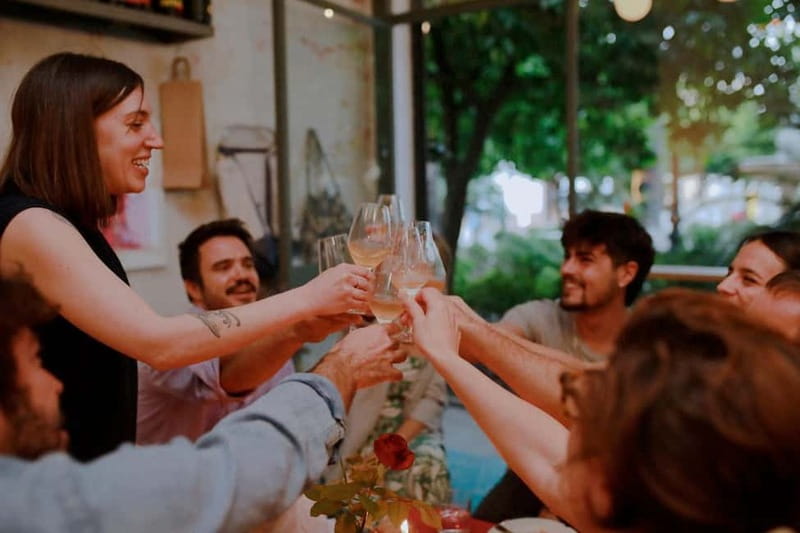
The food pairing includes seasonal tapas and Mediterranean dishes. The point is to show how local produce works with the wines, not simply to provide snacks between pours.
Seasonal food is a useful match for natural wine because it keeps the meal connected to the time of year. The dishes may change according to what is available, so you should not book this expecting a fixed menu. The supplied details do not name the individual tapas or guarantee particular ingredients.
That uncertainty is normal for a seasonal tasting, but it is worth noting if you have strict dietary needs or are hoping for a specific dish. No separate dietary information is provided, so ask before booking if this is important to you.
I appreciate the Mediterranean angle. The food is meant to celebrate local produce and to echo the same respect for authenticity found in the wine. In practical terms, this makes the experience feel more like a compact food-and-wine gathering than a basic tasting flight.
The meal is also part of the value. At $59 per person, you are paying for guided instruction, several natural Spanish wines, seasonal tapas, and Mediterranean dishes in a small setting. That is fair if you want context and conversation, not just wine samples. It is less compelling if you only want a quick drink and a few bites.
Same city, a different plate:
- Montserrat with Black Madonna & Medieval Winery with Tapas/Lunch
★ 5.0 · 5,209 reviews - Barcelona: Montserrat and Winery Tour with Tapas or Lunch
★ 4.8 · 4,695 reviews - Barcelona: Tapas Walking Tour with Food, Wine, and History
★ 4.8 · 4,261 reviews - Barcelona: Paella Cooking Experience & Boqueria Market Tour
★ 4.8 · 3,661 reviews
A 90-minute pace that works well in Cordoba
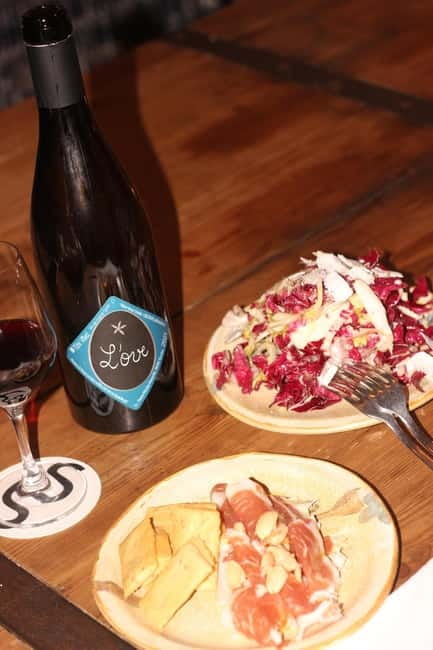
The full experience lasts one and a half hours. That is long enough to create a clear story around the wines, but short enough to fit between sightseeing plans.
You could place it in the late afternoon before dinner, or use it as a relaxed evening activity. Since the food pairing is included, some people may treat it as a substantial aperitif rather than a full meal. The supplied information does not promise a complete dinner, so I would not book it as your only evening meal.
The short duration also keeps the tasting focused. You will not spend half a day on transport, since the meeting point is a wine store in Cordoba and no travel outside the city is described.
The pace will depend on the group and the guide. A small group usually means more time for questions, but it can also mean that conversation takes up a larger share of the session. That is a plus if you enjoy discussion and a possible drawback if you prefer a fast, highly structured tasting.
Because no guide name is supplied, you cannot choose a particular host in advance. The experience does identify the guide as someone with personal connections to the winemakers, and the direct account praised the enologist’s preparation and manner.
What the $59 price really covers
The $59 cost sits in the middle range for a guided food-and-wine activity, but price alone does not tell you much. The value comes from the combination of wine, food, personal explanation, and the small-group format.
You receive a guided tasting, seasonal tapas, and Mediterranean dishes. You are also paying for access to stories about the families and producers behind the labels. For someone who enjoys local food culture, that extra context is the main reason to choose this instead of ordering a glass at a bar.
The value is strongest for three types of people. First, natural-wine drinkers can use the tasting to discover Spanish bottles and producers they may not encounter at home. Second, curious beginners can ask basic questions without feeling out of place. Third, food-focused visitors can enjoy a compact introduction to Spanish wine and local produce.
The value is weaker if you already know natural wine well and want a large, technical tasting. It may also feel expensive if you do not drink wine, since the activity is centered on the wine rather than offering a broad nonalcoholic program.
Other beverages are not included, and gratuity is extra. Those are small costs, but they matter when you are comparing this with a casual meal or a simple bar tasting.
Who should book this Cordoba wine experience
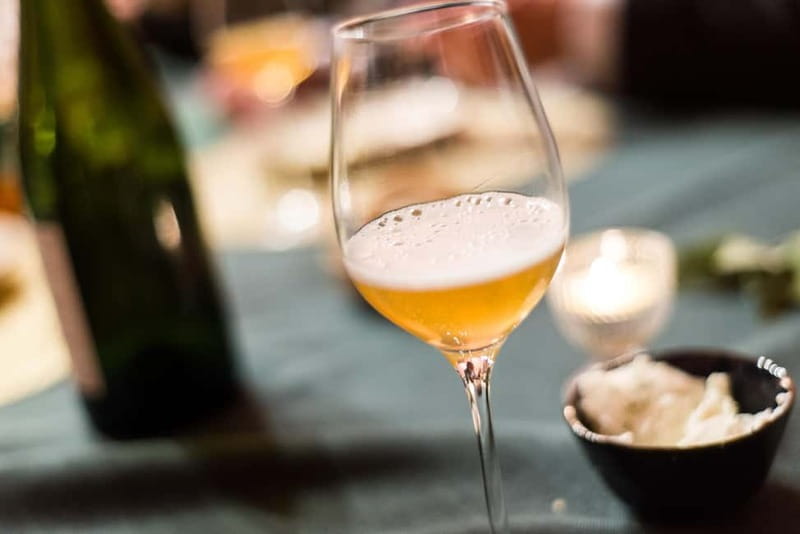
I would choose this for someone who likes to understand the people behind local food. The experience gives you more than names on a tasting sheet. It links each bottle to a producer, a family, and a way of thinking about wine.
It is also a good choice for couples, friends, and solo visitors who enjoy talking over food. The intimate format should suit anyone who prefers a relaxed table setting to a large group presentation.
English and Spanish guidance makes it accessible to a broad range of visitors. The activity is also wheelchair accessible, which is useful when you are planning a day in Cordoba around different kinds of sightseeing.
This may not be the right pick for children or for anyone seeking a vineyard visit, since the meeting point is a wine store and no vineyard transport or countryside visit is described. It is also not a good match if you want a full meal, a long winery tour, or a fixed menu.
Practical points that affect your choice
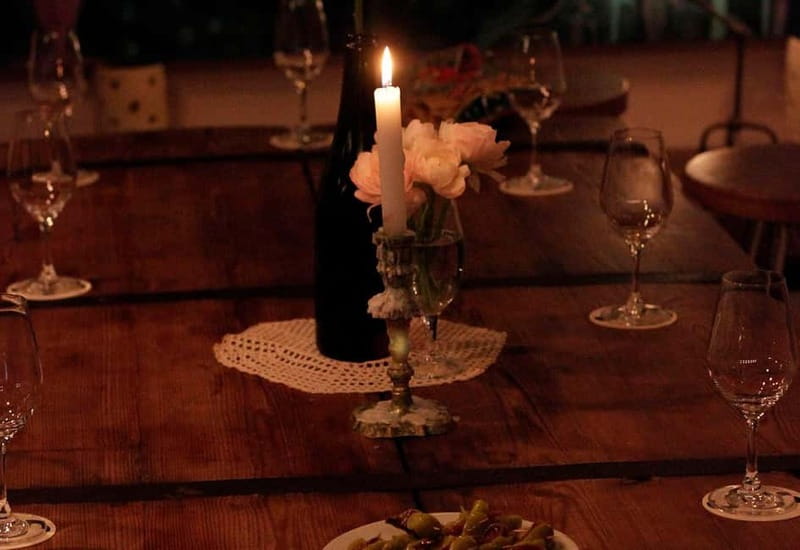
You can cancel up to 24 hours in advance for a full refund. You can also reserve now and pay later, which helps if your Cordoba schedule is still changing.
The tour is offered in English and Spanish. The group is designed to be small, and the format encourages questions. That makes it worth arriving ready to talk about what you taste, even if you know little about wine.
Do not rely too heavily on the online photographs when picturing the setting. One direct account specifically noted that the pictures did not correspond to the actual experience. Think of the room as a small wine shop and the attraction as the host, the bottles, and the food.
The public score is 4.4 from three ratings. That is a positive signal, but it is still a small sample, so I would treat the score as helpful rather than conclusive. The most specific positive detail is the praise for the natural wines and the enologist’s preparation.
Should you book it?
Book this experience if you want a personal introduction to natural Spanish wine, with seasonal tapas and a guide who can explain the families and ideas behind each bottle. At $59, the price is reasonable when you value the stories and small-group conversation as much as the tasting itself.
Skip it if you are looking for a vineyard excursion, a full dinner, or a polished room that matches promotional photographs. For the right audience, this is a thoughtful Cordoba food-and-wine stop: short, local, and centered on real bottles and the people who make them.
FAQ
Where does the wine experience meet?
It meets at a small and charming wine store in Cordoba.
How long does the experience last?
The tasting lasts 1.5 hours, or 90 minutes.
What is included in the price?
The price includes a guided wine tasting, seasonal tapas, and Mediterranean dishes.
Are the wines Spanish?
Yes. The experience focuses on natural Spanish wines.
Are the wines paired with food?
Yes. The wines are paired with seasonal tapas and Mediterranean dishes.
What languages are available?
The live guide can lead the experience in English or Spanish.
Is the experience wheelchair accessible?
Yes, the activity is wheelchair accessible.
Can I cancel my booking?
Yes. You can cancel up to 24 hours in advance for a full refund.
Just added around Spain
- Treurer: Tapas Gourmet and Extra Virgin Olive Oil★ 4.7 · 3 reviews
- Triana Market Tapas Tour★ 4.9 · 12 reviews
- Evening traditional tapas walking tour in old Zaragoza center★ 5.0 · 19 reviews
- Vegetable Paella cooking class, tapas and Ruzafa market visit★ 5.0 · 79 reviews
- Tapas & Paella Experience | 3 Local places | Meet Travelers★ 5.0 · 5 reviews
- Valencia Food Tour: Tapas, Drinks and Delights with a Local★ 5.0 · 93 reviews
- Valencia Wine Tasting and Tapas Experience★ 5.0 · 2 reviews
- Genuine Valencian tapas tour with a pinch of History★ 5.0 · 20 reviews
Cordoba Tapas Tours, compared.
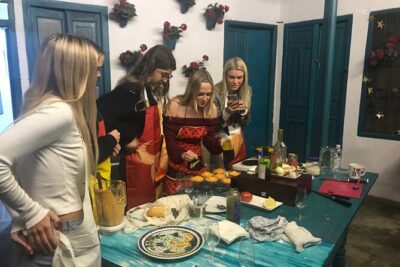
Paella and Salmorejo 2-Hour Cooking Class in Córdoba
Read our review →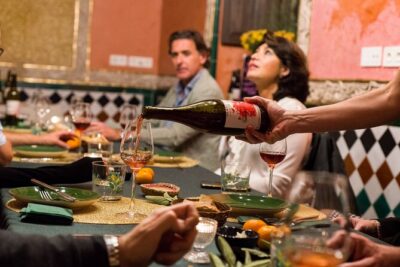
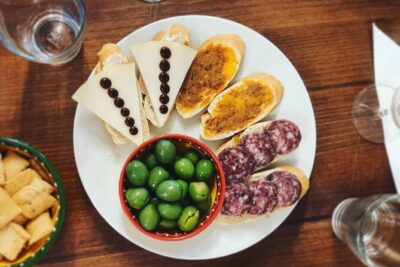
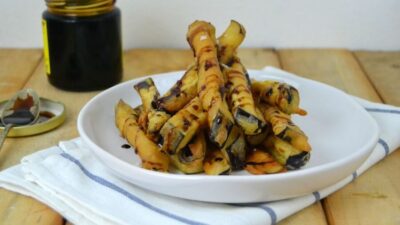
Tapas Tour Cordoba & Wine Experience with chef and sommelier
Read our review →
Browse the lists this tour appears in