
Review · BARCELONA TAPAS TOURS
Eat Like a Local: Hidden Gràcia Catalan Tapas Tour Barcelona
Gràcia is the star here. Once a separate village, this Barcelona neighborhood still has leafy plazas, family-run bars, and a strong Catalan identity. In 150 minutes, you move from a traditional bodega to a vermuteria, croqueteria, tapas bar, and dessert stop while tasting seven or more local dishes.
I like the small group, limited to 10 people, and the mix of classic foods with everyday local customs. The vermut stop is especially useful because it shows you how a drink, a snack, and a pre-lunch habit fit into Catalan life. The main drawback is that restaurant coordination can occasionally be uneven, and one review noted closed locations and a tour that offered less business history than expected.
Key points to know before booking
- Five stops in Gràcia: You visit Bar Bodega Can Ros, Vermuteria Puigmartí, Croq & Roll Croqueteria, Casa Pagès, and La Pepita.
- Catalan comfort food: Expect tortilla with jamón, grilled botifarra sausage, croquetas, sardine toast, a fried bomba, and crema catalana.
- A true vermut ritual: One glass of house vermut is included for participants aged 16 and over.
- Small-group format: The group is capped at 10, with a guide speaking English, Spanish, or French.
- Strong food focus: Tastings are generous enough to make this a light meal, not just a few samples.
- One practical caution: Bring water and allow some flexibility in case a bar has to be changed.
Why Gràcia makes such a good food-tour setting

If you picture Barcelona only as the Gothic Quarter, Las Ramblas, and the Sagrada Família, Gràcia gives you a useful correction. The neighborhood feels more residential and less arranged for sightseeing. Its streets lead to small plazas, local bars, and places where people meet for a drink and a snack without making a production of it.
That makes Gràcia a smart setting for a food tour. You are not simply eating Catalan dishes in a restaurant designed for visitors. You are walking between the kinds of places that shape daily neighborhood life. The food is the main event, but the short walks help you understand where that food belongs.
The tour begins in front of the Monument a Clavé. From there, your guide leads you through Gràcia for about two and a half hours. The pace includes food, conversation, and neighborhood walking, so wear comfortable shoes and avoid booking a large meal immediately before the tour.
The group size matters. With no more than 10 participants, you should have a better chance to hear the guide and ask questions than you would on a large bus-style food outing. Guides speak English, Spanish, and French. One guide named Fafa received specific praise for being flexible and easy to talk with, while other comments also point to friendly guides and relaxed conversation.
More Food Tours in Barcelona:
- Barcelona: Tapas Walking Tour with Food, Wine, and History
★ 4.8 · 4,261 reviews - Barcelona: Food Walking Tour with Tapas and Wine
★ 4.9 · 2,180 reviews - Barcelona Tapas Walking Tour: Food, Wine & History
★ 4.5 · 1,928 reviews
Bar Bodega Can Ros: tortilla and botifarra first
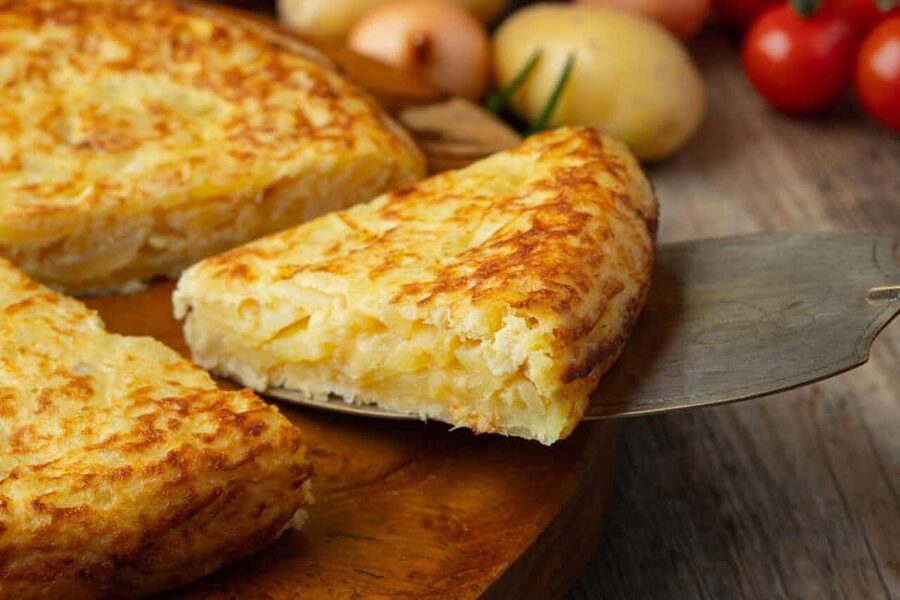
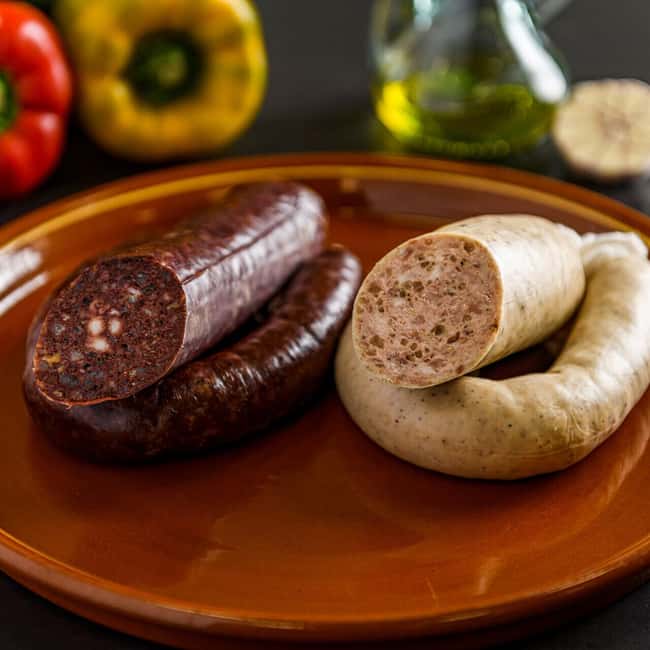
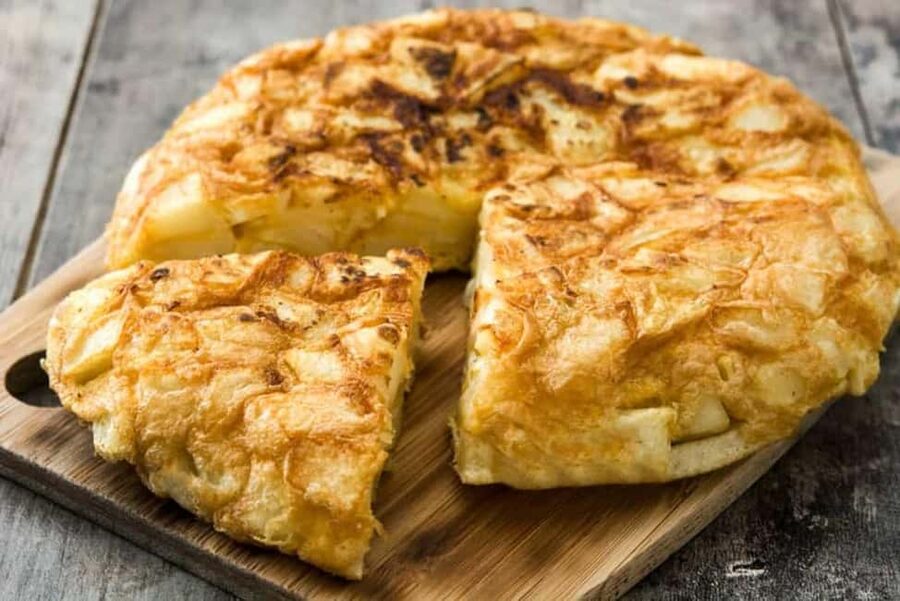
The opening stop is Bar Bodega Can Ros, where the food leans traditional and filling. You taste tortilla with jamón and grilled botifarra sausage, two dishes that give the tour a sturdy start.
Tortilla, the Spanish-style potato and egg omelet, is familiar to many people who have eaten tapas in Spain. The addition of jamón gives it a saltier, fuller edge. Botifarra is a Catalan sausage, often associated with simple grilled meals and rustic cooking. Here, it offers a clear taste of the region rather than a flashy reinterpretation.
This is the kind of first stop I appreciate. It puts recognizable local food on the table and gives your guide a natural opening to explain Catalan eating habits. The stop lasts about 20 minutes, so expect a focused tasting rather than time for a long independent meal.
The bodega setting also matters. A traditional bar where locals gather daily tells you more about ordinary Barcelona than a polished dining room does. You may not get a detailed story about the business itself, though. If the personal history of each restaurant is important to you, ask your guide directly.
Vermuteria Puigmartí and the Catalan vermut hour
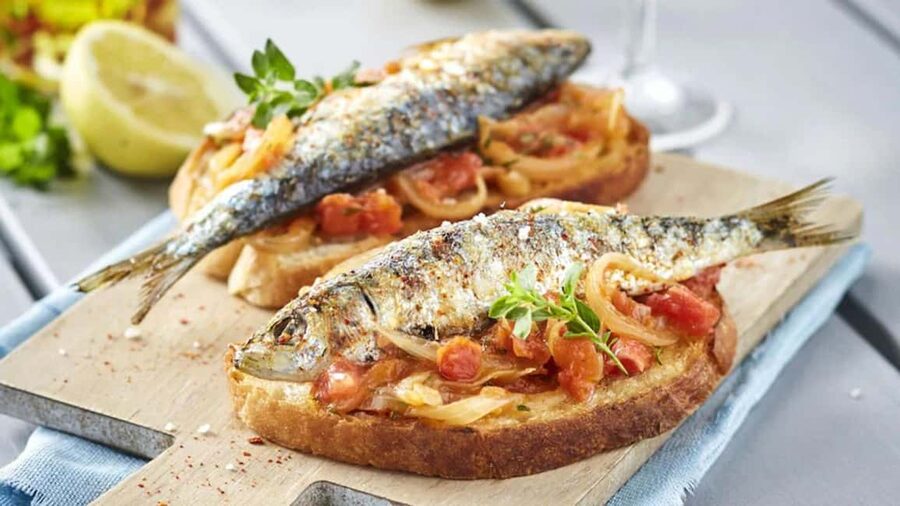
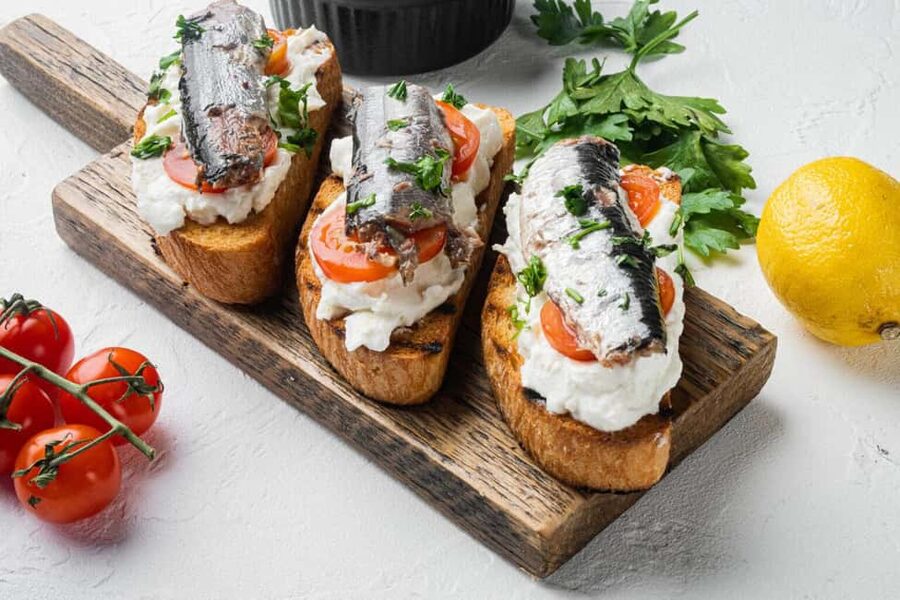
At Vermuteria Puigmartí, the focus shifts from grilled food to the Catalan vermut ritual. You receive one glass of house vermouth, served only to people aged 16 and over, along with sardine-topped toast and other local snacks.
Vermut is more than a sweet fortified wine. In Catalonia, it is tied to a relaxed pre-lunch or early afternoon habit, often enjoyed with small savory bites. This stop gives you a chance to understand that custom through taste rather than a quick explanation in a museum.
The sardine toast brings a salty, briny note that works well with vermouth. It may be a stronger flavor than the tortilla or sausage, but that contrast is part of the point. A good food tour should show you a range of local tastes, not make every dish safe and familiar.
You spend about 25 minutes here, the longest listed stop. That gives the guide some room to explain the ritual and answer questions. If you do not drink alcohol, the supplied details do not specify a replacement beverage, so ask before booking or at the start of the tour.
This is also the only included alcoholic drink clearly listed. Additional food and drinks cost extra. The tour price includes the tasting menu and one glass of house vermut, not an open bar.
Croq & Roll: a modern turn with croquetas
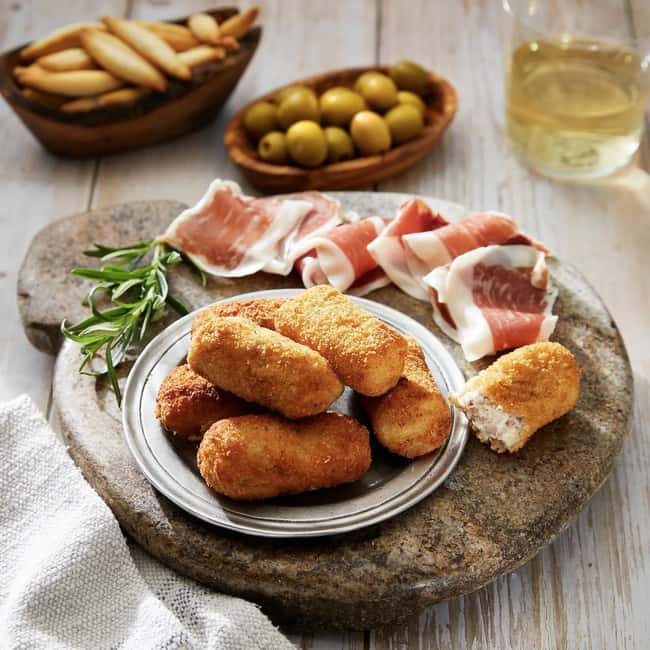
Croq & Roll Croqueteria brings a more creative feel to the route. The specialty is croquetas, a Spanish bar staple with a crisp outside and a creamy filling.
Croquetas are common across Spain, but they are worth including because they show how much care can go into a humble snack. The contrast between the fried shell and soft center is the appeal. At this stop, the focus is on familiar comfort food presented with a modern twist.
You spend around 20 minutes here. That is enough to taste the croquetas and hear about their place in tapas culture, but it is not a cooking class or a long sit-down meal. If you want detailed preparation notes, ask your guide what makes the versions here different.
The route’s balance works well at this point. You have already tasted sausage and tortilla, then tried vermouth and sardine toast. Croquetas add another texture and keep the food moving without making every stop feel alike.
A few more tapas tours around Barcelona worth a look
- Montserrat Half-Day Tour with Tapas and Gourmet Wines
★ 5.0 · 7,359 reviews - Montserrat & Cogwheel Train, Gourmet Wine Tasting & Tapas/Lunch
★ 5.0 · 6,290 reviews - Barcelona Tapas and Wine Experience Small-Group Walking Tour
★ 5.0 · 5,804 reviews - Montserrat with Black Madonna & Medieval Winery with Tapas/Lunch
★ 5.0 · 5,209 reviews
Casa Pagès and the famous Barcelona bomba
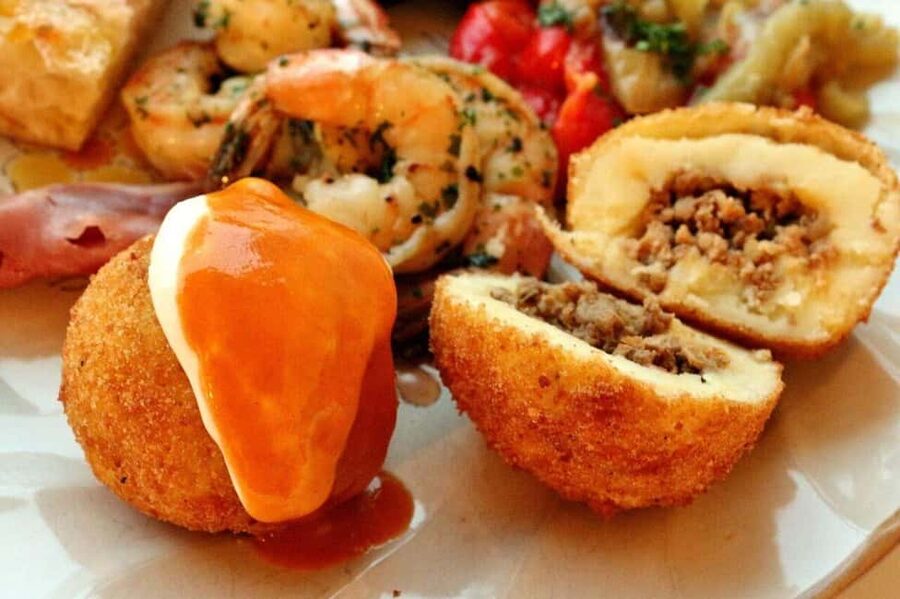
Casa Pagès is the stop for the bomba, a fried potato ball filled with meat and topped with spicy sauce. It is one of Barcelona’s best-known bar snacks and one of the more distinctive dishes on this tour.
The bomba has a simple idea behind it: soft potato, savory meat, crisp fried coating, and a sharp sauce. The combination can be filling, so pace yourself earlier in the tour. The dish is not delicate, and the spicy topping may be the boldest flavor you taste.
You have about 20 minutes at Casa Pagès. This is a good place to ask about the difference between a bomba and other fried tapas, or about how Catalan bar food uses potatoes, meat, and sauces to create something substantial from basic ingredients.
The tour description calls the tastings generous, and that matters here. Seven or more samples across five stops can add up to a proper light meal. You should not expect tiny decorative bites, but you also should not arrive expecting a full dinner with individual portions of every dish.
La Pepita and the final crema catalana
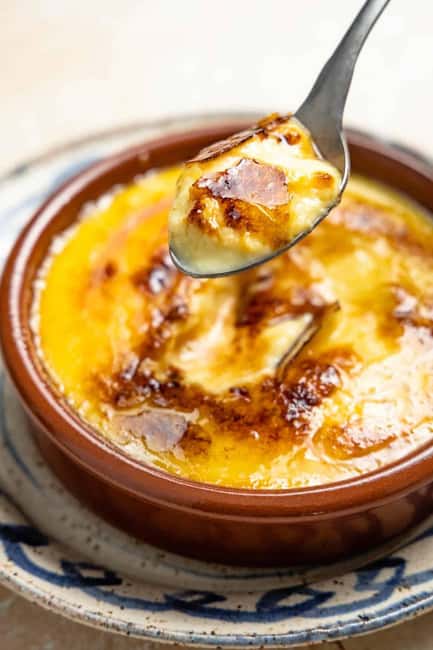
The route ends at La Pepita, where dessert is crema catalana. You finish by cracking through its caramelized top to reach the smooth custard underneath.
Crema catalana is Catalonia’s signature dessert. It resembles crème brûlée in broad outline, but it has its own regional identity and place in Catalan cooking. Ending with it gives the tour a clear finish after several savory stops.
The listed dessert visit lasts about 20 minutes, and La Pepita is also the final meeting point. That makes post-tour planning easy. You can continue in Gràcia, arrange a short walk elsewhere, or treat the dessert as the end of your evening.
The final course also helps with pacing. After tortilla, sausage, croquetas, toast, vermouth, and a bomba, a small sweet dish feels more sensible than another savory plate. I would still avoid planning a major dinner immediately afterward unless you have a large appetite.
How much food do you really receive?
The included tastings cover at least seven items, though the exact portions and order can vary. The named foods are:
- Tortilla with jamón
- Grilled botifarra sausage
- Croquetas
- Sardine-topped toast
- A meat-filled bomba with spicy sauce
- Crema catalana
- One glass of house vermut for people aged 16 and over
The tour also includes regional food and tapas at several stops, so you may receive more than one small snack at a bar. The information provided describes the tastings as generous. I would treat this as a substantial snack or light meal rather than a guaranteed replacement for breakfast, lunch, or dinner.
Food tours work best when you arrive hungry but not empty. A little room is useful at the start, especially since the first dishes are savory and filling. Take small bites at first and save room for the bomba and crema catalana.
Water is worth carrying. One detailed comment suggested that water would improve the experience, especially during a walking tour with several food stops. Water is not listed as included, so bring your own or be ready to purchase it.
Price, group size, and what the $106 covers

At $106 per person, this is not a cheap way to grab tapas. The value comes from the combination of a guide, five food stops, seven or more tastings, a vermut, and a neighborhood walk in a small group.
You are paying for access and structure as much as for food. A guide connects the dishes to Catalan habits, chooses the stops, handles the route, and gives you a way into Gràcia that you might not find during a short visit. The limited group of 10 is a real advantage for questions and conversation.
The price makes more sense if you want a guided introduction to Catalan food and do not want to research several bars yourself. It makes less sense if your main goal is the lowest-cost meal possible or if you already know Gràcia’s food scene well.
The overall rating is 4.4 from eight reviews, with especially strong praise for the food, friendly guides, relaxed mood, and good conversation. You should also keep expectations in check. One person found the tour less focused on the history of individual businesses than expected. Another noted that some locations were closed, requiring adjustments.
That does not make the tour a poor choice, but it tells you what kind of experience this is. It is primarily a food-and-neighborhood walk, not a formal culinary history lecture or a tightly staged restaurant progression.
Practical details that affect your experience
Meet in front of the Clavé Monument. Check the exact start time when booking, since the available times can vary.
The tour lasts 150 minutes. That includes walking between stops and roughly 20 to 25 minutes at each food venue. You will need to keep moving, but the schedule is not designed as a race.
The activity is wheelchair accessible. If accessibility is a major concern, confirm the current route and individual bar arrangements before you go, since the tour uses several different venues.
Free cancellation is available up to 24 hours before the start for a full refund. You can also reserve now and pay later, which helps if your Barcelona schedule is still changing.
The tour is available in English, Spanish, and French. State your preferred language when booking if the option is offered.
Extra food and drinks are not included. The vermut has an age limit of 16, so anyone younger than that should not expect the included alcoholic serving.
Who should book this Gràcia food walk?
I would choose this tour if you want to combine eating with a neighborhood introduction. It suits first-time Barcelona visitors who want more than the central sights, as well as repeat visitors who have already seen the major landmarks and want a local food angle.
It is also a good fit for people who like conversation. The small group and relaxed format give you more contact with the guide than a large organized outing. The German-language comments praised the good discussions, flexible approach, and friendly guides, which supports choosing this experience if you enjoy asking questions and talking as you walk.
You may want something else if you expect a detailed history of every restaurant, a fixed fine-dining schedule, or a full dinner with drinks included. The occasional location change means you should allow a little flexibility, too.
Should you book Eat Like a Local in Gràcia?
Book it if you want a practical taste of Catalan food in a neighborhood setting, especially if tortilla, botifarra, croquetas, vermut, bombas, and crema catalana are new to you. The five-stop route gives you a useful spread of textures and traditions, while Gràcia keeps the experience away from Barcelona’s most obvious tourist paths.
Before booking, carry water, arrive hungry but not stuffed, and ask your guide about the local stories behind each stop. If you value food, friendly conversation, and a small group more than a perfectly controlled schedule, this tour offers good value. If you need precise restaurant continuity or a deep business-by-business history, keep your expectations modest.
FAQ
Where does the tour begin?
The meeting point is in front of the Monument a Clavé in Gràcia, Barcelona.
How long does the experience last?
The tour lasts 150 minutes, or two and a half hours.
How many food stops are included?
The experience includes five local stops: Bar Bodega Can Ros, Vermuteria Puigmartí, Croq & Roll Croqueteria, Casa Pagès, and La Pepita.
What food is included?
Tastings include tortilla with jamón, grilled botifarra sausage, croquetas, sardine-topped toast, a meat-filled bomba with spicy sauce, and crema catalana.
Is vermut included?
Yes. One glass of house vermut is included for participants aged 16 and over.
What languages does the guide speak?
The live guide speaks English, Spanish, and French.
Is the tour wheelchair accessible?
Yes, the activity is listed as wheelchair accessible.
Can I cancel the booking?
Yes. You can cancel up to 24 hours in advance for a full refund. You can also reserve now and pay later.
Just added around Barcelona
- Barcelona Sailing Experience: Spanish Tapas and Premium Open Bar★ 4.5 · 34 reviews
- Barcelona: Guided Rooftop Wine Tasting – Enjoy 6 Spanish Wines★ 4.5 · 61 reviews
- Vermouth in Catamaran A gastronomic experience in Barcelona★ 5.0 · 5 reviews
- Wine & Cava Penedes Tour: Wineries, Wine Tasting and Tapas★ 5.0 · 5 reviews
- Vermouth Tasting and Crafting in Barcelona★ 5.0 · 4 reviews
- Barcelona: Bike or eBike Tour, Top Sights & Local Insights★ 5.0 · 47 reviews
- Rooftop Paella Seafood Cooking Class Experience in Barcelona★ 5.0 · 59 reviews
- Tarragona Culinary Experience: Olive Oil & Iberian Ham Delight★ 5.0 · 8 reviews
Barcelona Tapas Tours, compared.

Montserrat Half-Day Tour with Tapas and Gourmet Wines
Read our review →
Montserrat & Cogwheel Train, Gourmet Wine Tasting & Tapas/Lunch
Read our review →
Barcelona Tapas and Wine Experience Small-Group Walking Tour
Read our review →
Montserrat with Black Madonna & Medieval Winery with Tapas/Lunch
Read our review →
Montserrat and Winery Tour with Tapas or Lunch
Read our review →
Tapas Walking Tour with Food, Wine, and History
Read our review →
Paella Cooking Experience & Boqueria Market Tour
Read our review →
Barcelona Paella Cooking Class with Market Visit, Tapas & Sangria
Read our review →Browse the lists this tour appears in