
Review · ALICANTE TAPAS TOURS
Evening Spanish Tapas Cooking Class with Live Guitar Music
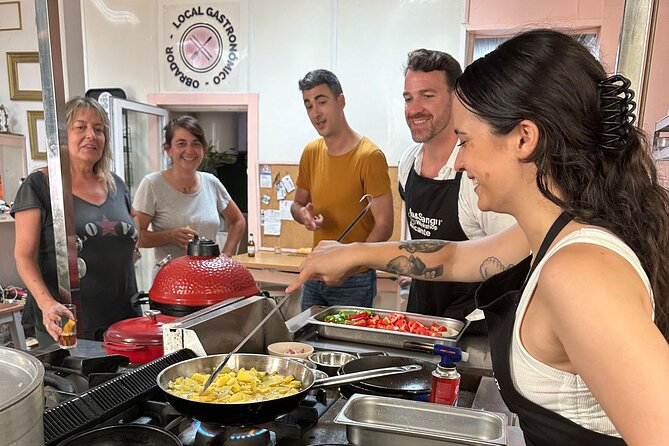
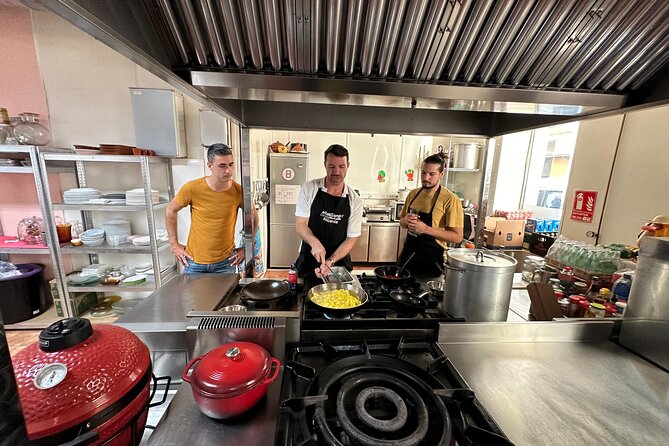
The best part of this Alicante evening is that you do not just watch someone cook. You help prepare a full tapas dinner, using ingredients bought that morning at the Central Market, then sit down to eat what you made. The setting is a working kitchen where locals gather, not a staged demonstration.
I like the six-dish menu, which moves well beyond basic pinchos, and the relaxed teaching style. I also like the mix of food and culture: Frederico leads the cooking, Fred can help translate into English, and live Spanish guitar closes the evening. The main consideration is that some cooking tasks may be shared among the group, so anyone hoping for a long, technically demanding class may find the two hours and 15 minutes fairly light.
Key points at a glance
- Six proper tapas dishes: Prepare tortilla de patatas, gazpacho, secreto toast, dates wrapped in bacon, chorizo in cider, and torrija with turrón ice cream.
- Fresh Central Market ingredients: The food is sourced that morning, giving the class a useful connection to Alicante’s daily food culture.
- A real working kitchen: You cook and eat in the same kind of social setting used by locals, rather than in a formal culinary school.
- English support: Frederico leads the kitchen work, while Fred has been praised for clear English translation and guidance.
- Dinner and music included: After cooking, you eat the finished tapas and listen to live Spanish guitar.
- Small enough to feel social: The maximum group size is 16, with a 6:00 pm start and return to the same meeting point.
Cooking Alicante’s tapas in one evening
This experience gives you a useful taste of Spanish cooking without asking you to commit a whole day. You meet at C. Manuel Antón, 19, in central Alicante at 6:00 pm, then settle into a kitchen designed for cooking, eating, and conversation.
The class is built around a complete dinner rather than one showcase dish. That matters. You get to see how several small plates work together: something warm and filling, something fresh, something salty, something sweet, and a dessert to finish.
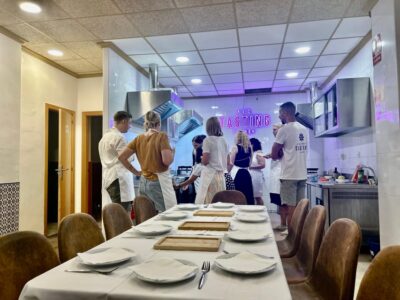
The setting also helps. You are not cooking in an anonymous studio with a row of individual workstations. You prepare food in a functioning kitchen where people gather to eat. That gives the evening a more social feel, though it also means the cooking may be organized around shared jobs rather than every person preparing every step.
The class is offered in English, and the teaching arrangement appears to include Spanish-speaking kitchen instruction with English translation. Fred has been specifically praised for translating clearly, while Frederico has been described as the host and cook. If you enjoy hearing Spanish while still having the steps explained in English, this can add a pleasant local touch. If you want every word delivered directly in English by the chef, keep that detail in mind.
More Spanish Cooking Classes in Alicante:
- Alicante Paella Cooking Class, Tapas, Drinks and Marketplace
★ 5.0 · 349 reviews - Alicante Paella Cooking Class, Tapas, Drinks and Market
★ 4.9 · 301 reviews - Alicante:Evening Spanish Tapas Cooking Class with Live Music
★ 4.6 · 3 reviews
The menu: six dishes with plenty of variety
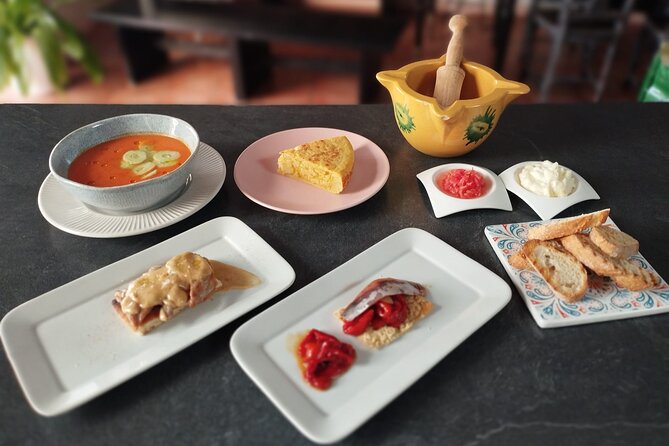
The menu is one of the strongest reasons to book. You are not limited to simple bread toppings or assembled snacks. The evening includes six recognizable Spanish dishes, each showing a different side of the country’s food culture.
Tortilla de patatas
The class begins with Spanish omelette, a dish built from potatoes, eggs, and olive oil. It looks simple, but getting a soft center and a well-shaped finish takes care.
This is a smart choice for a cooking class because you can use the method at home. You will likely pay attention to the balance between tender potatoes, set egg, and the golden outside. It is also a useful introduction to the idea that Spanish food often depends on a few good ingredients treated with care.
Gazpacho
Gazpacho brings a cool, fresh contrast to the warmer dishes. The version here uses tomatoes, cucumbers, peppers, and olive oil, making it especially fitting for Alicante’s Mediterranean climate.
This part of the menu is less about complex technique and more about proportion and freshness. You learn how familiar vegetables become a complete dish when the seasoning and texture are right. On a hot day, gazpacho can be the most immediately refreshing course of the evening.
A few more tapas tours around Alicante worth a look
- Alicante: Paella & Sangria Class with Tapas and Market Visit
★ 4.8 · 243 reviews - Paella & Sangria Class with Tapas and Market Visit
★ 5.0 · 122 reviews - Barcelona Paella Cooking Class with Market Visit, Tapas & Sangria
★ 5.0 · 2,531 reviews - Spanish Cooking Class Paella Tapas and Sangria in Madrid
★ 5.0 · 1,340 reviews
Secreto toast with turrón sauce
This is the menu’s more unusual plate. Secreto is a tender, flavorful cut of pork served on crisp toast, then topped with a creamy turrón sauce.
The combination links savory Spanish pork with turrón, the nougat associated with Spanish sweets. It is an inventive pairing, and one of the dishes most likely to give you a new idea to try at home. The portions are tapas-sized, so you can enjoy the richness without making it the whole meal.
Delicias de Elche
Dates wrapped in bacon bring the sweet and salty contrast that makes tapas so appealing. The dates become soft and sweet, while the bacon adds salt and crispness.
This is a straightforward dish, but it works well in a group class because it is easy to prepare and easy to share. The name points to Elche, a city near Alicante, giving the plate a local connection rather than making the menu a collection of generic Spanish favorites.
Chorizo a la sidra
Chorizo simmered in cider is bold, juicy, and filling. The cider softens the sausage and adds a different note from the smoky, spicy flavor of the chorizo itself.
This dish also shows how Spanish cooking often uses a simple cooking liquid to add character. It is the sort of tapas plate that pairs naturally with a relaxed dinner and conversation. If you prefer delicate food, this will likely be one of the stronger flavors of the night.
Torrija with turrón ice cream
Dessert is torrija, a warm, caramelized brioche paired with turrón ice cream. Torrija is often compared to French toast, but the Spanish treatment gives it its own character.
The hot-and-cold pairing makes a good finish to the meal. It also gives you a sweet use for turrón beyond the sauce on the pork toast. By the end, you have cooked a menu that feels like a proper dinner, not just a series of samples.
What the cooking lesson is really like
The class is designed for participation, but it is not presented as an advanced chef’s course. The dishes are interesting without being too difficult, which makes the evening suitable for curious beginners, families, and groups of friends.
The teaching style has been described as step by step, friendly, and well organized. You should expect clear guidance rather than a demanding test of technique. Several dishes are easy to perform, so a small group can divide the jobs and move through the menu quickly.
That can be a plus or a drawback. If you are new to Spanish food, the simple method lets you focus on ingredients, stories, and eating together. If you already cook often, you may wish there were more tasks, more dishes, or extra time to work independently. One lower-rated response specifically wished for more cooking jobs and additional plates.
The maximum group size is 16. That is not an intimate private lesson, but it is still manageable for a social class, especially when the cooking is shared. A group of nine has been described as working comfortably. Your hands-on time may depend on how many people attend and how the chef divides the tasks.
Food stories and local context
The value here is not only the recipes. The class also explains the background of the dishes and offers some Spanish history while you cook.
That context helps you understand why tapas are more than small portions. A plate can carry a local ingredient, a regional name, or a familiar cooking method. The dates wrapped in bacon connect the menu to Elche, while turrón appears in both a savory sauce and dessert. Those details give you something to remember after the meal.
I also like that the ingredients come from Alicante’s Central Market that morning. You may not tour the market as part of this activity, but the food still has a direct link to the city’s daily shopping habits. Fresh, seasonal produce matters most in simple dishes such as gazpacho and tortilla, where there is nowhere for poor ingredients to hide.
The menu does not try to represent every corner of Spain. It is a focused Alicante evening with familiar classics and a few local or less expected touches. That is a better fit for a short class than an overloaded survey of regional cuisine.
Dinner, conversation, and Spanish guitar
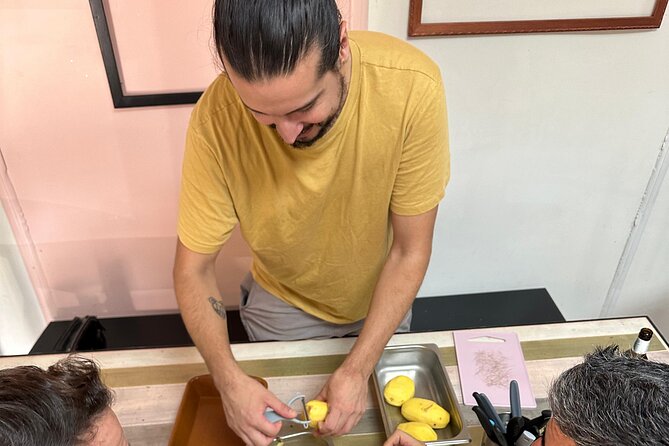
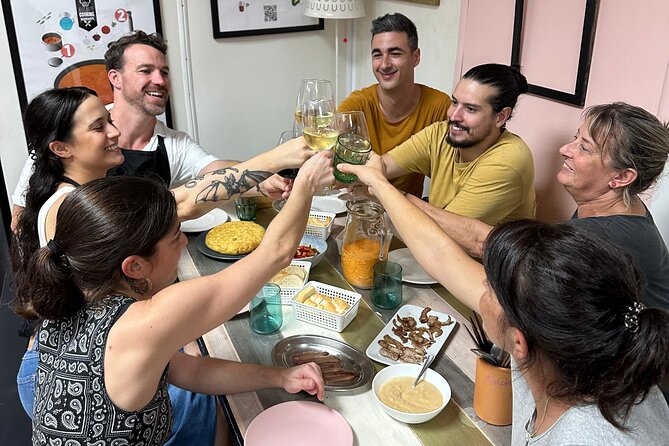
Once the cooking is finished, you sit down and eat the tapas together. This is an important part of the experience. You are not sent away with a recipe sheet after the final stir. The meal gives you time to taste the results and compare the dishes.
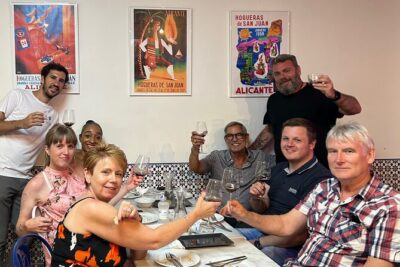
The social side works especially well for couples, families, and groups of friends. You can cook alongside people from other places, then share the same dinner. It is a simple way to meet others without the forced feeling of a formal group tour.
Live Spanish guitar follows the meal. The music is not presented as a separate concert, and that is part of its charm. It supplies a local finish to the evening while you are still in the food-and-conversation mood.
The experience lasts about two hours and 15 minutes. The timing leaves room for cooking, eating, and music, but it is still a compact evening. You return to the original meeting point, so you do not need to plan a second pickup location.
Price and what you receive for $42.01
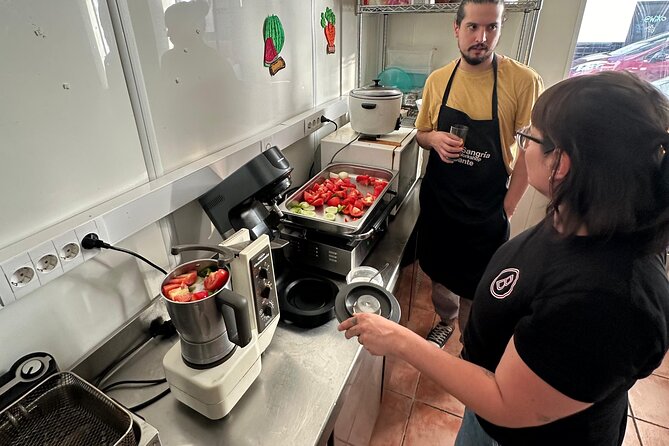
At $42.01 per person, the price is fair if you value the full evening rather than just the cooking instruction. You receive a guided class, six tapas dishes, a dinner made during the session, cultural explanations, and live guitar music.
The value is strongest for someone who would otherwise pay separately for dinner and an evening activity. You are not only buying food. You are paying for the instruction, the social setting, the host and chef, the ingredient preparation, and the entertainment at the end.
It is less compelling if your main goal is serious culinary training. The class is relaxed, and some dishes are quick and easy. You may not spend long periods mastering one technique or preparing a large number of individual portions.
Still, the menu is generous for a short class. You leave with several recipes that can be recreated at home, including tortilla, gazpacho, chorizo with cider, and the sweet and savory date combination. That practical value adds to the price.
Who will enjoy this class most
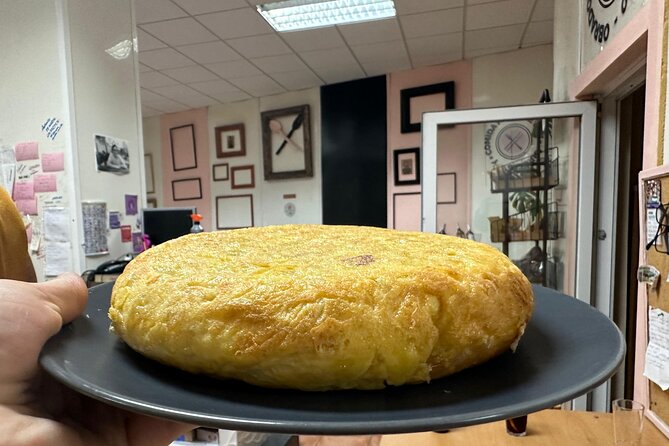
I would choose this for a first visit to Alicante, especially if you want an evening activity that feels connected to local life. It suits people who enjoy food but do not want a formal, high-pressure lesson.
It also works well for families and friend groups. The cooking is accessible, the menu has enough variety to please different tastes, and the shared tasks make it easy to participate as a group.
Home cooks should find useful ideas here, especially in the treatment of turrón, the method for tortilla, and the balance of sweet, salty, fresh, and spicy plates. You may not learn advanced restaurant skills, but you should come away with several dishes worth trying in your own kitchen.
Vegetarian options are available if requested in advance. That is important because the listed menu includes pork, bacon, and chorizo. Ask for the vegetarian arrangement before booking or as soon as possible, rather than assuming changes can be made at the last minute.
The class is less suitable if you want a private experience, a long market visit, or a fully independent cooking session. The group can reach 16 people, and the evening centers on shared preparation.
Practical details before you book
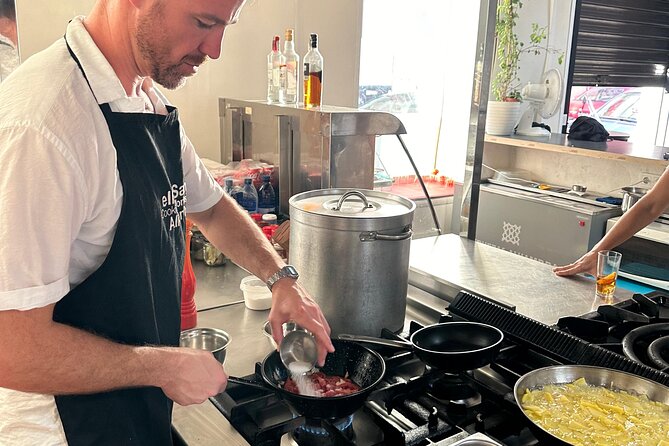
The meeting point is C. Manuel Antón, 19, 03004 Alicante, near public transportation. The class starts at 6:00 pm and ends back at the same address.
You receive confirmation when booking, and the activity uses a mobile ticket. It is offered in English, with translation support forming part of the teaching arrangement.
Demand appears steady, with bookings made around 29 days ahead on average. I would not leave this until the final day if your Alicante dates are fixed, particularly if you need vegetarian options or want to attend with a larger group.
Free cancellation is available up to 24 hours before the local start time for a full refund. Changes or cancellations inside that 24-hour window are not accepted for a refund. The class also needs a minimum number of participants. If that minimum is not reached, you are offered another date or experience, or a full refund.
Should you book the Alicante tapas class?
Book it if you want a friendly evening built around food, local stories, and music, with enough hands-on work to feel involved. The strongest features are the varied six-dish menu, fresh market ingredients, clear English support, and the chance to eat what you cook.
Think twice if you want advanced technique, a private chef-led lesson, or a long session devoted to one recipe. The class is intentionally social and relaxed, and some participants may have fewer individual tasks than they expect.
For most visitors, $42.01 is a sensible price for a cooking lesson that also includes dinner and live guitar. Request vegetarian dishes ahead of time, arrive ready to share the work, and choose this as an easygoing cultural night rather than a serious culinary qualification.
FAQ
Where does the Spanish tapas cooking class begin?
The class begins at C. Manuel Antón, 19, 03004 Alicante, Alicante, Spain. It ends back at the same meeting point.
What time does the class start?
The experience starts at 6:00 pm.
How long does the experience last?
The class lasts approximately two hours and 15 minutes.
Is the experience offered in English?
Yes. The activity is offered in English, with English translation support available during the cooking instruction.
Can I request vegetarian food?
Yes. Vegetarian options are available upon request. Ask for them before the class.
What happens if I need to cancel?
You can cancel up to 24 hours before the local start time for a full refund. Cancellations or changes made less than 24 hours before the start are not refunded.
More Evening Experiences in Alicante
- Alicante: Evening Tapas Tour
★ 4.8 · 47 reviews - Alicante Evening Tapas tour
★ 5.0 · 27 reviews - Madrid by Night Small Group Tour: Stories, Sights and Tapas Bites
★ 5.0 · 1,956 reviews - Santorini Wine Adventure with 12 Wine Tastings, Tapas and Sunset
★ 5.0 · 1,715 reviews
Just added around Alicante
- Winery Visit and Tasting in Elche with wines and tapas from Alicante in Van★ 5.0 · 9 reviews
- Vibrant Flamenco Show and Tapas Menu in Alicante★ 5.0 · 19 reviews
- Paella & Alicante Adventure for Cruise Travelers★ 5.0 · 19 reviews
- Wine and Tapas Tasting Tour from Alicante, Private Van★ 5.0 · 4 reviews
- Alicante Evening Tapas tour★ 5.0 · 27 reviews
- Alicante Tour: Full City, Castle, Market & Tapas Experience★ 5.0 · 20 reviews
- Tapas Tour★ 4.5 · 13 reviews
- From Alicante: Winery Tour and Wine Tasting with Tapas★ 4.5 · 22 reviews
Alicante Tapas Tours, compared.

Alicante Historic Small Group Tour with Tapas Tasting
Read our review →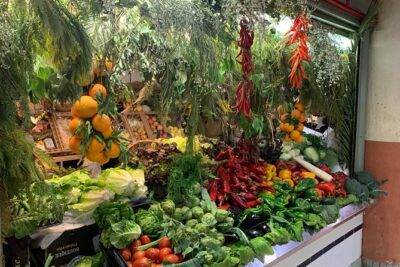
Alicante Food and Tapas Tour with a Local Guide
Read our review →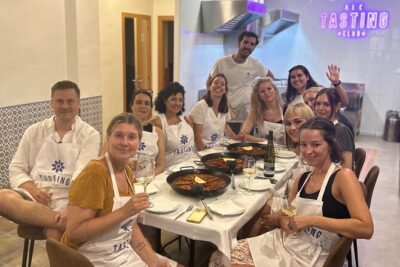
Alicante Paella Cooking Class, Tapas, Drinks and Marketplace
Read our review →
Alicante Paella Cooking Class, Tapas, Drinks and Market
Read our review →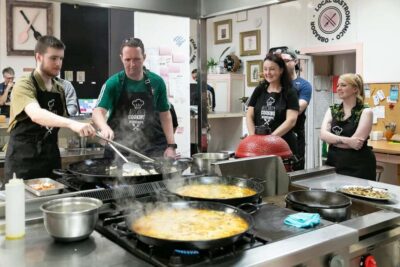
Paella & Sangria Class with Tapas and Market Visit
Read our review →
Browse the lists this tour appears in