Review · MADRID TAPAS TOURS
Madrid: Paella & Tapas Cooking Class and Market Visit
Madrid’s best food lesson may begin before you touch a knife. This market visit shows you the ingredients behind Spanish cooking, then a chef guides you through paella Valenciana, croquetas, patatas bravas, a Basque tapa, and dessert. You finish by eating the meal you helped prepare.
I like the mix of local shopping and hands-on cooking, rather than a class that simply hands you a recipe. I also like the generous meal, drinks, and practical tips, including how to recognize proper Valencian paella. The main caution is that the class uses knives, hot stoves, and high work surfaces, so it is not suitable for children under 12 or anyone with mobility limitations.
Key points to know before booking
- The market visit comes first: You see the Spanish products that shape the cooking lesson and help select fresh ingredients.
- Paella is the main event: The guide explains the history and defining traits of paella Valenciana as you prepare it.
- You cook several dishes: The menu includes a cheese plate, a Basque tapa, croquetas, patatas bravas with two sauces, paella, and fruit.
- Vermouth sets the tone: You learn about the traditional aperitivo and how locals drink sweet vermouth.
- The group stays small: The class is limited to 12 people or fewer, with private options available.
- Dietary limits matter: Vegetarian, pescatarian, gluten-free for non-celiac diners, non-alcoholic, and pregnancy adaptations are possible with advance notice.
From Madrid market stalls to the cooking table
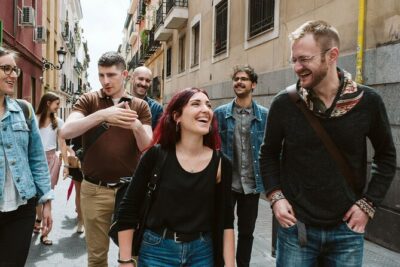
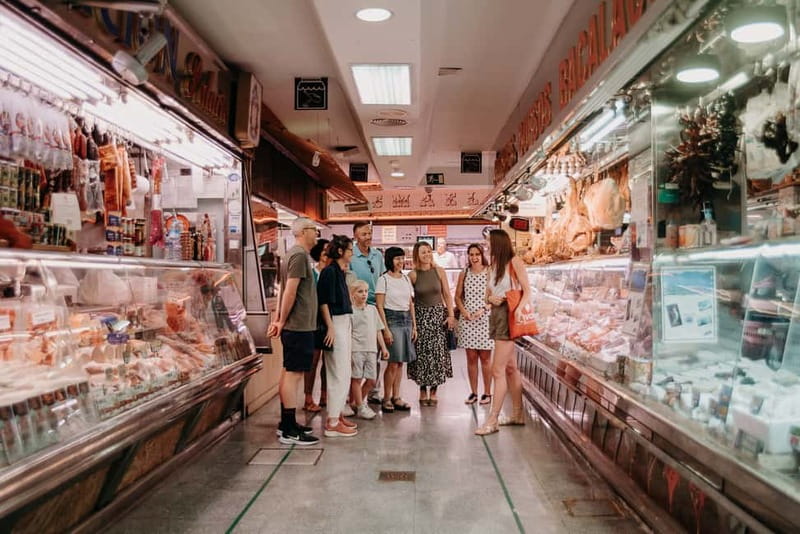
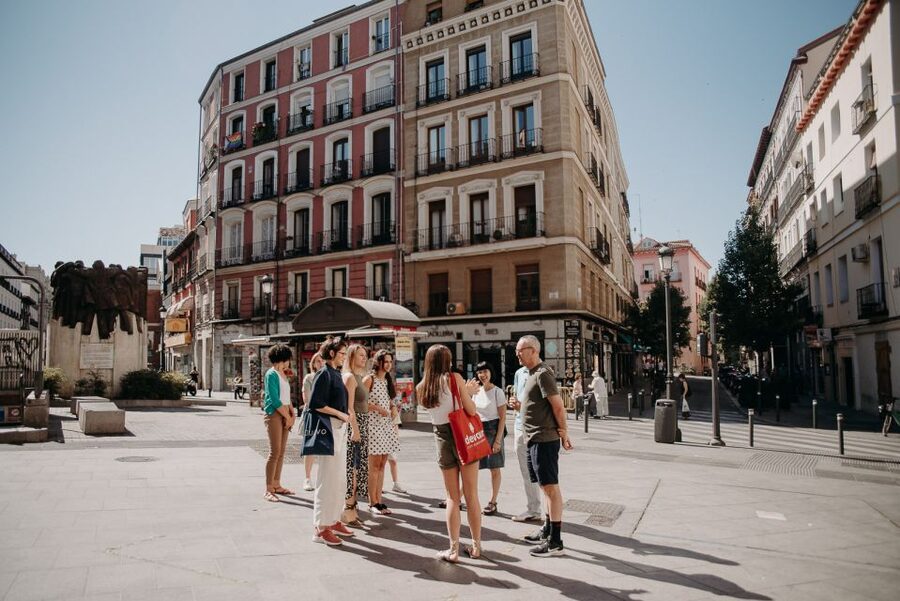
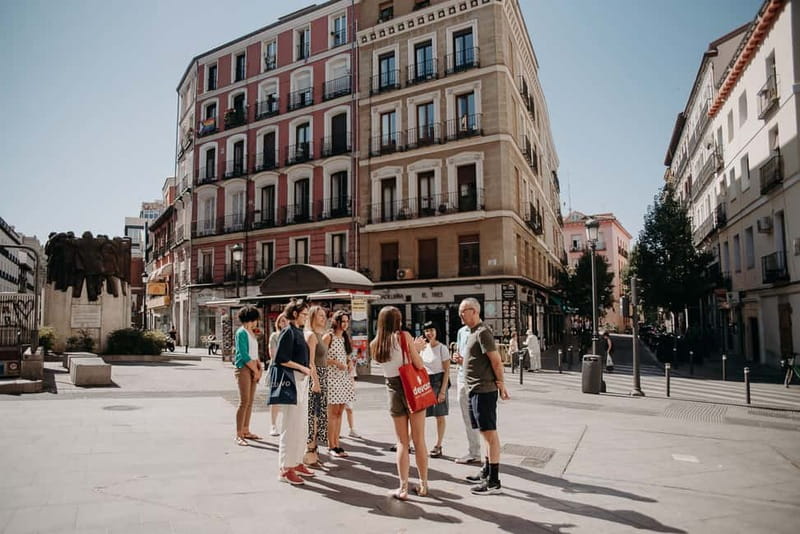
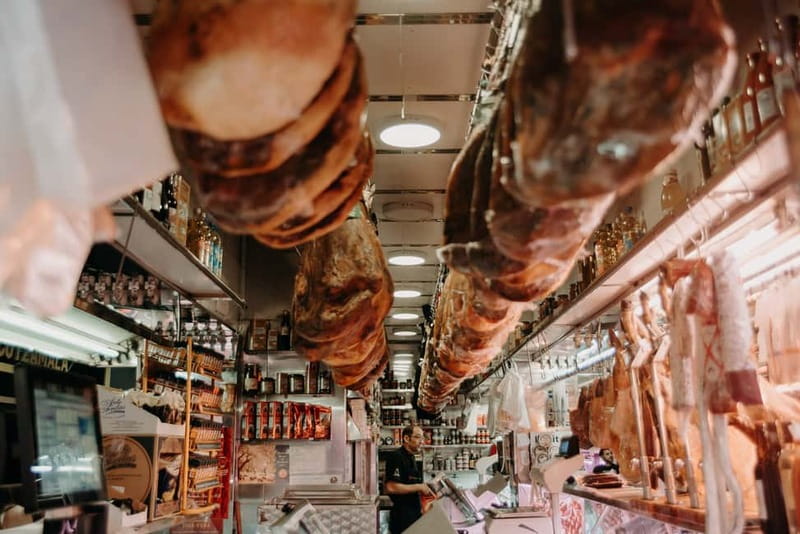
The 3.5-hour experience begins near one of Madrid’s historic markets. The market has served neighborhood shoppers for more than a century, and that matters. You are not starting with a sterile cooking demonstration. You are first introduced to the everyday products that give Spanish food its character.
Your guide leads you through the stalls and explains what you are seeing. You can expect fresh ingredients and high-quality Spanish products, with time to chat with vendors and gather items for the class. The visit gives useful context to dishes that can otherwise seem simple. A croqueta, for example, depends on the texture of its filling and coating. Patatas bravas depend on the potatoes, frying, and sauces. The market helps you see where those building blocks begin.
I like this first portion because it gives you a better way to read Madrid food menus afterward. You learn to connect ingredients with dishes instead of treating tapas as a long list of mysterious small plates.
The exact market and meeting point can vary with the option you book, so check those details carefully. You also need to arrive ready to walk and stand. Comfortable shoes are a smart choice, especially since the day moves from market aisles to a working kitchen.
More Paella Cooking Classes in Madrid
- Spanish Cooking Class Paella Tapas and Sangria in Madrid
★ 5.0 · 1,340 reviews - Madrid: Paella and Sangria Workshop in the City Center
★ 4.9 · 1,264 reviews - Paella Cooking Class in Madrid with Bottomless Wine Pairing
★ 5.0 · 985 reviews
An aperitivo with Spanish vermouth
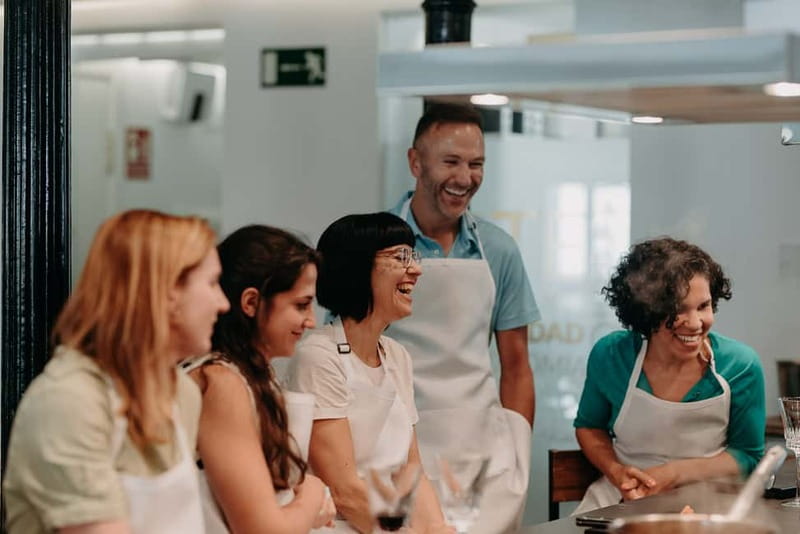
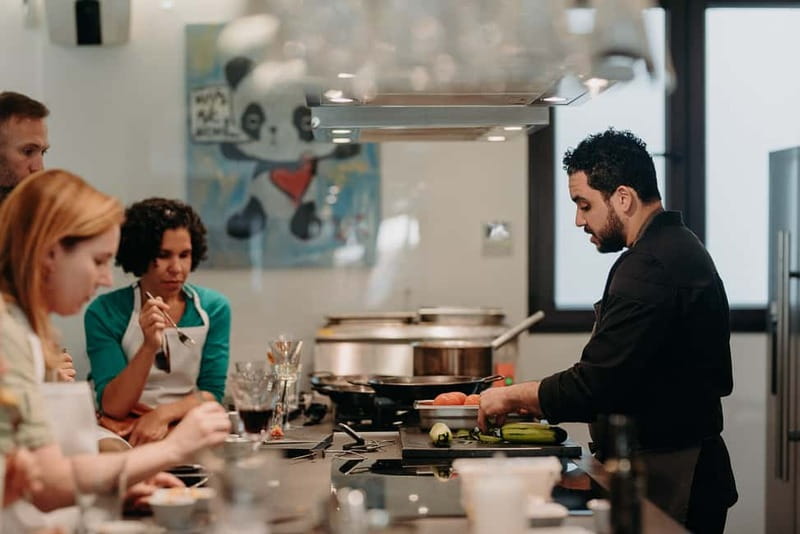
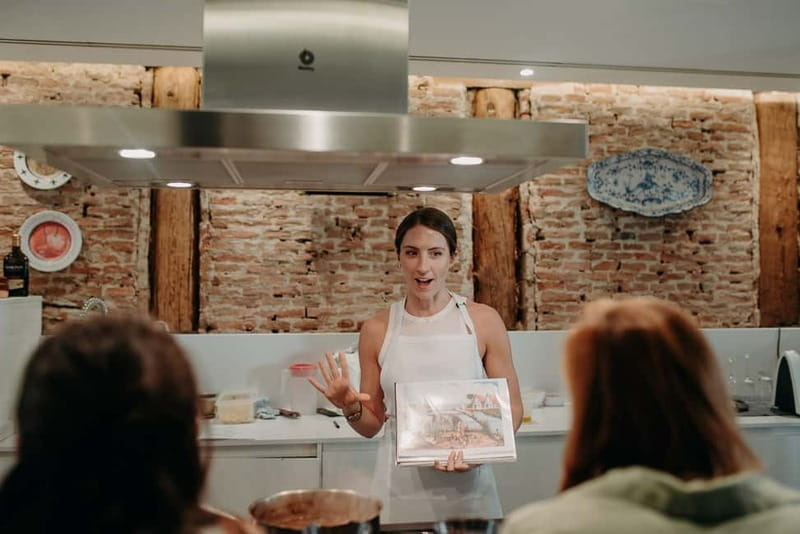
After the market, you head to a private cooking space behind a restaurant in Madrid’s Huertas neighborhood. The setting is more polished than a basic classroom, but the tone is friendly and social. Your small group gathers in the kitchen, where the chef introduces the first taste of the day: sweet vermouth.
Vermouth is not just a drink here. It is part of the Spanish aperitivo tradition, a small drink and snack before a meal. You learn how locals enjoy it, then help assemble a cheese plate and a traditional tapa from the Basque region.
This is a good opening because nobody begins with a complicated recipe. You get a drink, a snack, and a chance to settle in with the group. The shared work also helps break the ice without forcing anyone into a formal introduction.
Alcohol is not required. Non-alcoholic options are available, but you should mention this when booking or contact the activity provider in advance. The same advice applies to allergies and other food restrictions.
Cooking three tapas before the paella
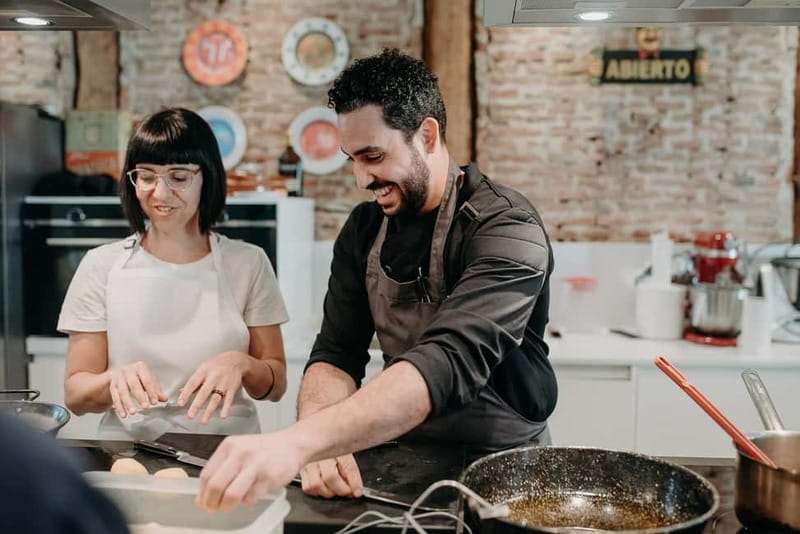
The class then moves into more active cooking. You prepare homemade croquetas and patatas bravas with two homemade sauces, along with the earlier Basque-style tapa and cheese plate.
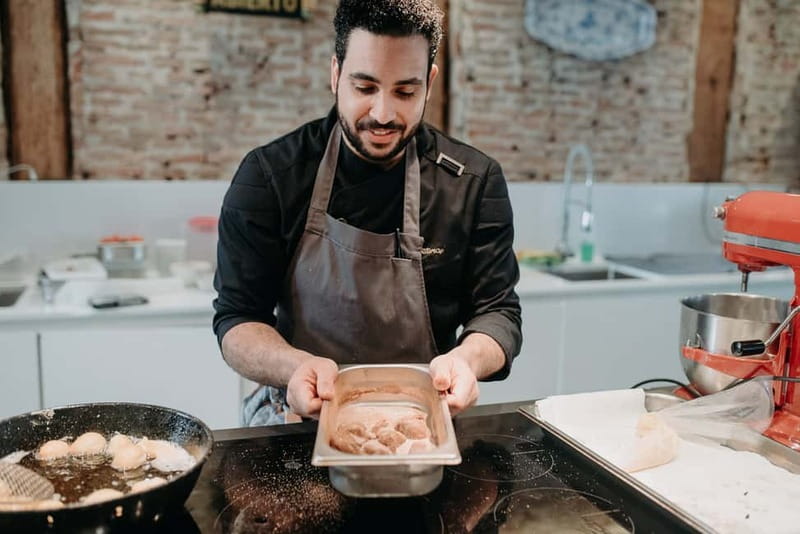
Croquetas are a useful dish to learn because they require attention to texture. You can watch how the filling comes together, how the mixture is handled, and how the coating creates the crisp outside. The class gives you a chance to work beside the chef rather than simply watch from a distance.
Patatas bravas are just as practical. Potatoes, frying, and sauce may sound straightforward, but small choices determine the final result. Learning two sauces also gives you more flexibility when you recreate the dish at home.
The format is social and hands-on. You work elbow to elbow with the other people in your group, so expect shared counter space and an active kitchen. That is part of the appeal, but it may not suit you if you prefer a quiet demonstration with lots of personal room.
Guides and chefs have included Daniel, Danny, Dan, Arantxa, and Benny. The strongest part of their role is not only recipe instruction. They also explain Spanish customs, regional food traditions, and the story behind each dish. Daniel, for instance, is praised for combining cooking guidance with cultural background, while Arantxa is noted for making the market and kitchen feel warm and welcoming.
Paella Valenciana takes center stage
The main course is authentic paella from Valencia. This is where the class becomes more than a general Spanish cooking lesson. Madrid has its own food traditions, but paella is closely linked with Valencia, and the guide explains what makes a true paella Valenciana.
You learn about the dish as you prepare it, including its history and the traits that distinguish it from any rice dish cooked in a wide pan. The lesson is designed to engage your senses: smelling the ingredients, handling them, tasting as you go, and watching the cooking process develop.
That approach is useful because paella can look easy while hiding plenty of technique. Rice, liquid, timing, seasoning, and heat all matter. A class lets you see those decisions in real time and ask questions as the dish develops.
The exact ingredients may vary with the market and season. One experience description mentions gazpacho, paella, and sangria, while the main outline centers on paella Valenciana, tapas, and vermouth. You should expect a Spanish menu built around fresh ingredients, but do not assume every listed dish will be identical at every sitting.
If your main goal is learning paella, this is the part that gives the price its strongest value. You are not merely eating a good rice dish. You are learning how to recognize and prepare a regional specialty under the guidance of a local chef.
More Spanish Cooking Classes in Madrid
- Madrid Tapas & Paella Cooking Experience with Local Market Visit
★ 5.0 · 432 reviews - Taste of Spain: Tapas Cooking Class with Bottomless Wine Pairing
★ 5.0 · 414 reviews - Madrid: Half-Day Spanish Cooking Class
★ 5.0 · 345 reviews - Madrid: 10 Tapas 2.5-Hour Cooking Class
★ 4.7 · 222 reviews
Sitting down to eat your own Spanish lunch
After the cooking, you sit down to eat the meal. Lunch includes the dishes prepared during class, seasonal fruit from the market for dessert, and a choice of beer or wine. Drinks are included, along with the traditional aperitivo earlier in the experience.
This is a substantial food experience. You have already eaten the cheese plate and tapa, then prepared croquetas, patatas bravas, paella, and dessert. Several people have found the portions generous enough to feel completely full, so avoid booking this too close to another major meal.
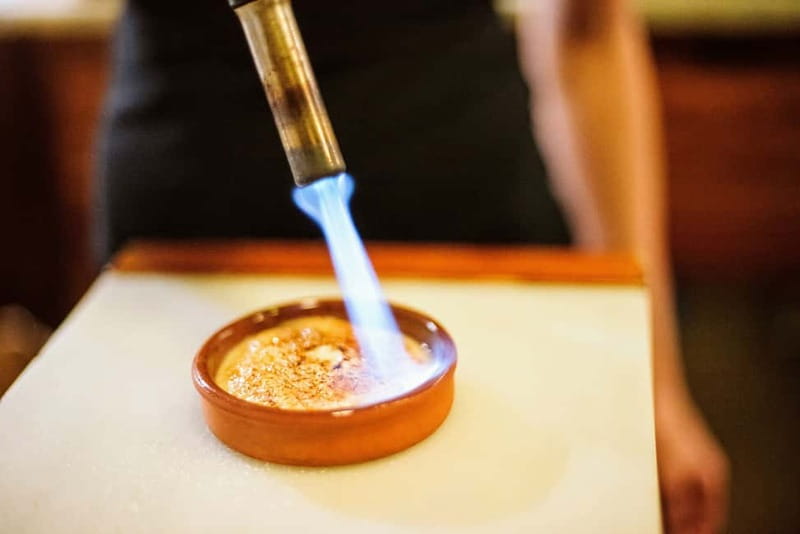
Dessert is simple, but that is appropriate after a long cooking session. Seasonal fruit keeps the meal connected to the market and gives you a fresh finish rather than another heavy course. Some sessions have included crema catalana, though the core description specifies seasonal fruit, so the final dessert can vary.
I like that the meal is not an afterthought. You get time to enjoy what you made, compare results with the rest of the group, and talk with the chef. The meal also gives you a chance to see how individual dishes work together as a Spanish lunch.
What the $112 price really covers
At $112 per person, the class is not a cheap lunch. You are paying for 3.5 hours of instruction, a market visit, fresh ingredients, a private kitchen setting, multiple dishes, lunch, and drinks. For a simple cooking demonstration, that price would be hard to justify. For a market-to-table workshop with several recipes, it is more reasonable.
The small group is important. With 12 people or fewer, you should have a better chance to handle ingredients, ask questions, and hear the guide. A private option is also available if you want the kitchen experience reserved for your own party, though the price and meeting details may differ by option.
The class also gives you something beyond the meal: recipes and techniques you can use at home. One participant specifically appreciated receiving a PDF cookbook. If that is part of your booked option, it adds lasting value, since you can recreate the croquetas, sauces, and paella after returning home.
The value is strongest for people who care about food culture and want to take part. If you only want to eat paella, you can find a restaurant meal for less. If you want a market introduction, cooking instruction, drinks, and a full lunch in one outing, the price is easier to defend.
Dietary needs and practical limits
The class can adapt for vegetarians, pescatarians, non-alcoholic diners, pregnant women, and some gluten-free diners who are not celiac. Contact the provider ahead of time so ingredients can be arranged.
This experience is not suitable for vegans, people with lactose intolerance, or people with gluten intolerance. The class includes cheese, croquetas, and other ingredients that may be difficult to replace within the planned menu. Do not rely on last-minute changes.
The kitchen includes sharp knives, hot stoves, and high surfaces. Children under 12 cannot join, and the experience is not suitable for wheelchairs, strollers, or people with mobility impairments. These are not minor details. You move through a market and then work in an active kitchen, so you need to be comfortable standing and participating.
The tour is conducted in English. That makes it a good fit if you want clear instruction and cultural explanation without needing to follow a Spanish-language class.
Who will enjoy this class most
I would choose this for a first or second visit to Madrid when you want more than sightseeing. It suits couples, friends, solo diners, and food-focused families with older children. The shared cooking naturally creates conversation, and several guides are praised for keeping the mood lively while still teaching useful skills.
It is especially good for anyone who wants to understand Spanish food from the inside. You see the products at the market, learn about vermouth, prepare regional recipes, and eat the result. That chain gives the afternoon a clear purpose.
You should skip it if you dislike group activities, cannot stand for several hours, or have dietary restrictions that the provider cannot accommodate. It is also not the best match if your only goal is a quiet restaurant lunch. This is a working class, not a passive tasting.
The private option may be worth considering for a special occasion or a group that wants more control over the pace. The small-group version should suit most people who want a social setting without a large crowd.
Should you book the Madrid paella class?
I would book this if you want a practical introduction to Spanish cuisine and care about learning how the food is made. The market visit, vermouth aperitivo, several tapas, paella Valenciana, dessert, and included drinks make this more than a single-recipe lesson.
The best reason to choose it is the combination of food and context. You learn what to buy, how the dishes fit into Spanish culture, and how to reproduce them at home. Guides such as Dan, Danny, Daniel, Arantxa, and Benny have helped make the experience personal and informative.
Check the dietary rules, mobility requirements, meeting point, and menu variation before paying. If those fit your needs, the $112 cost is fair for a full half-day of cooking, eating, and market exploration in central Madrid.
FAQ
How long does the Madrid paella and tapas class last?
The experience lasts 3.5 hours, including the market visit, cooking workshop, and meal.
What dishes will I cook?
The planned menu includes authentic paella Valenciana, homemade croquetas, patatas bravas with two homemade sauces, a traditional Basque tapa, a cheese plate, and dessert. Seasonal fruit is listed for dessert, although some sessions have included crema catalana.
Is lunch included?
Yes. You eat the dishes prepared during the class, along with seasonal fruit for dessert. Drinks include the traditional aperitivo and a choice of beer or wine with lunch.
Is the market visit included?
Yes. You meet near a historic Madrid market, tour it with your guide, speak with vendors, and collect fresh ingredients for the cooking session.
Is the cooking class conducted in English?
Yes. The live tour guide and cooking instruction are in English.
Can dietary restrictions be accommodated?
Vegetarian, pescatarian, non-alcoholic, pregnancy, and some gluten-free needs can be accommodated with advance notice. The class is not suitable for vegans, people with gluten intolerance, or people with lactose intolerance. Contact the provider about allergies and specific ingredients.
Can children or wheelchair users join?
Children under 12 cannot join because the kitchen uses sharp knives, hot stoves, and high surfaces. The experience is also not suitable for wheelchair users, people with mobility impairments, or strollers.
More Shopping Tours in Madrid
- Barcelona Paella Cooking Class with Market Visit, Tapas & Sangria
★ 5.0 · 2,531 reviews - Paella Cooking Class, Wine Tasting & Central Market in Valencia
★ 5.0 · 1,150 reviews - Valencian paella cooking class, tapas and visit to Ruzafa market.
★ 5.0 · 828 reviews - Spanish Cooking Class & Triana Market Tour in Sevilla
★ 5.0 · 760 reviews
More Market and Tapas Tours in Madrid
- Madrid: Ultimate Food Tour of Local Markets & Tapas
★ 4.8 · 151 reviews - Try Madrid Best Churros, Tapas & Market by FLT
★ 5.0 · 37 reviews - Madrid Gourmet Tour: Local Markets, Tapas & Wine
★ 5.0 · 2 reviews - Barcelona: Paella Cooking Experience & Boqueria Market Tour
★ 4.8 · 3,661 reviews
Just added around Madrid
- Madrid Food Tour – Tapas Walking Tour★ 5.0 · 3 reviews
- Private Wine & Gourmet Tapas Tour in Madrid with Sommelier★ 5.0 · 49 reviews
- Traditional Paella & Sangría Workshop & Spanish Meal in Madrid★ 4.0 · 5 reviews
- Culinary tour “Tapas & Wines” in Madrid★ 5.0 · 3 reviews
- Madrid: Private Tapas & Wine Food Walking Tour in La Latina★ 5.0 · 4 reviews
- Tasting of 4 Spanish wines in Puerta del Sol Madrid★ 5.0 · 10 reviews
- Try Madrid Best Churros, Tapas & Market by FLT★ 5.0 · 37 reviews
- Tasty Tapas & Drinks Tour with a Rooftop Included★ 5.0 · 82 reviews
Madrid Tapas Tours, compared.
Madrid Tapas & Wine Tasting Walking Tour – Small Group Local Bars
Read our review →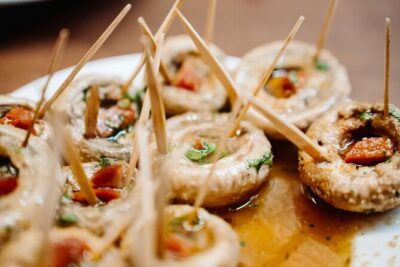
Madrid Tapas & Taverns Small Group Food & History Tour
Read our review →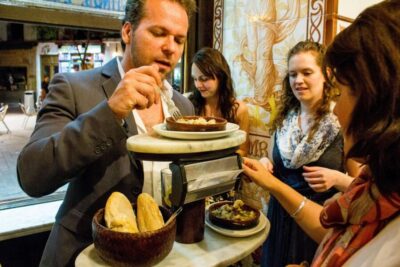
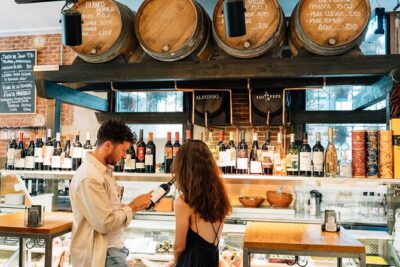
Madrid Tapas & Wine Tour with Rooftop Views and Local Guide
Read our review →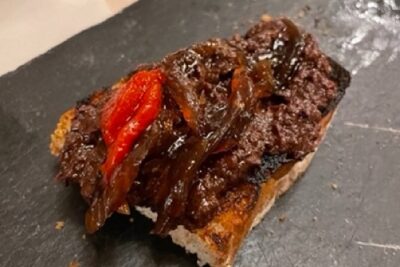
Madrid by Night Small Group Tour: Stories, Sights and Tapas Bites
Read our review →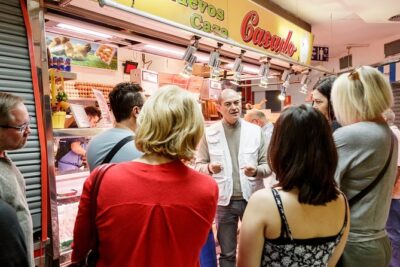
Spanish Cooking Class Paella Tapas and Sangria in Madrid
Read our review →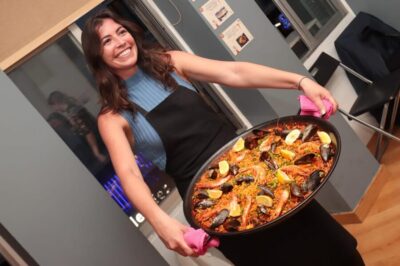
Paella and Sangria Workshop in the City Center
Read our review →