
Review · VALENCIA TAPAS TOURS
Master the Art of Paella in an Authentic Valencian Kitchen
Valencia’s famous rice dish is best understood at the pan, not just on the plate. In this small cooking class, you help make Paella Valenciana, the original regional version with rabbit, chicken, vegetables, and carefully chosen rice. The lesson takes place in an authentic kitchen near the Central Market, with a local chef guiding the work in English.
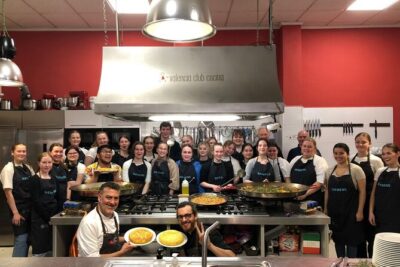
I like two things here: you actually cook, rather than watch a demonstration, and the meal includes more than paella. You start with Spanish starters, make or share sangria, and finish with dessert. The small maximum of eight people also gives you a fair chance to ask questions and take part.
The main caution is the setting. One class took place in a warm kitchen without air conditioning, and a reviewer noted rice stored on the toilet floor. The food and teaching drew strong praise, but the venue may feel more practical than polished.
Key points to know before booking
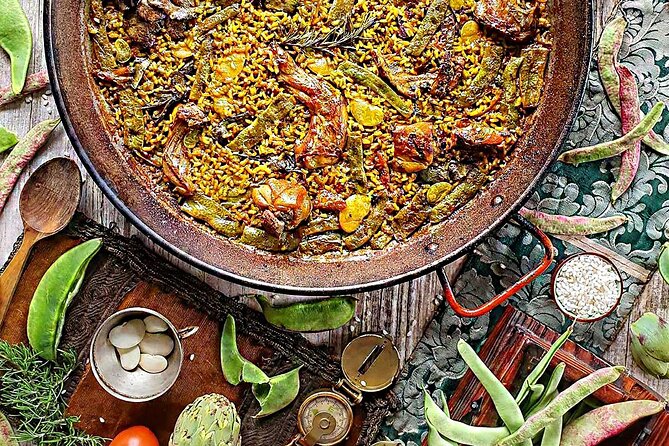
- You make the original Valencian recipe: The paella uses rabbit, chicken, fresh vegetables, and local rice rather than the mixed seafood versions often sold abroad.
- The class is hands-on: You help prepare sangria, starters, and paella, with the chef explaining each stage.
- The group is capped at eight: That is small enough for personal questions and shared work around the pan.
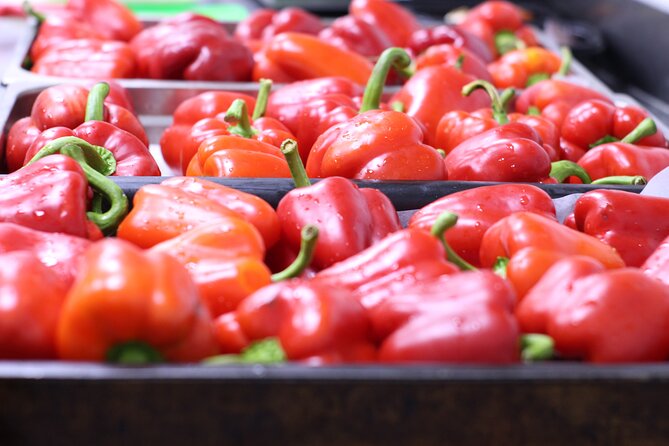
- Central Market ingredients shape the meal: The class uses zero-kilometer products sourced from Valencia’s famous market.
- The two-hour format includes a full meal: Expect starters, paella, drinks, and dessert, not only a cooking lesson.
- The chefs bring different personalities: Antonio, Carlos, Pepe, and Gregor have all led sessions, with teaching and storytelling frequently praised.
Why Paella Valenciana is worth learning in Valencia
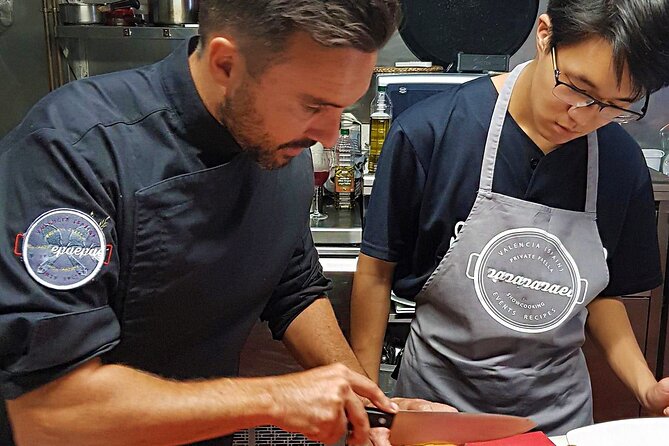
Paella is not simply a Spanish dish with seafood scattered over rice. In Valencia, the name points to a particular cooking tradition and a particular way of handling the pan. The version taught here uses rabbit, chicken, vegetables, and local rice, giving you a clearer idea of the dish’s regional roots.
That distinction matters. Many visitors arrive expecting the seafood paella commonly served in tourist areas. This class puts the Valencian recipe first, including the balance of stock, seasoning, rice, and heat that gives the dish its character.
I like that the lesson focuses on decisions you can use at home. You learn about choosing rice, building flavor, balancing ingredients, and dealing with problems that can arise while the paella cooks. One participant even left ready to buy a paella pan and try the recipe again, although finding rabbit may require some planning.
The class also explains the cultural side of the food. Chefs such as Antonio, Carlos, Pepe, and Gregor have used the cooking time to discuss Valencia and the role of ingredients in the local dish. The strongest part of the experience is not just eating the finished pan. It is learning why the pan works.
More Paella Cooking Classes in Valencia
- Paella Cooking Class, Wine Tasting & Central Market in Valencia
★ 5.0 · 1,150 reviews - Valencian paella cooking class, tapas and visit to Ruzafa market.
★ 5.0 · 828 reviews - Valencia: Paella Cooking Class with Central Market Tour
★ 5.0 · 721 reviews
Meeting in Ciutat Vella near the Central Market
The meeting point is Carrer del Músic Peydró, 4, in Valencia’s Ciutat Vella. This puts you in the central old town, a useful location if you are already exploring the city center and want a meal-based activity without arranging transportation outside Valencia.
The class uses ingredients sourced from the Central Market. That detail gives the meal a genuine local link, rather than treating Valencia as a backdrop for a generic cooking lesson. You may not tour the market as part of the two-hour activity, but the produce and other products used in the kitchen come from this well-known city food hall.
The activity ends back at the meeting point. Since the cooking class lasts about two hours, it can fit neatly into an evening plan. You should still allow a little flexibility around the start and finish, since cooking and group meals do not always run like a train timetable.
The experience is offered in English and comes with a mobile ticket. The group maximum is eight people, so you are not being placed in a large demonstration crowd. That small size is especially useful when everyone needs a turn near the ingredients and pan.
What happens before the paella
The class begins with a warm-up meal of typical Spanish starters. The stated menu includes Valencian esgarraet, Russian salad, and a ham croquette. Other food mentioned for the opening course includes patatas bravas and anchovies, so the exact selection may vary.
These starters give you something to eat while the main dish develops. They also introduce several familiar Spanish flavors before the more specific Valencian rice course arrives. Esgarraet is especially useful in this context because it is associated with Valencia and helps place the cooking lesson in the region rather than Spain in general.
The group also prepares or shares sangria. The menu lists sangria with the paella, and the class includes drinks as part of the meal. This keeps the session social, which is important in a small kitchen where participants work together rather than cook separate restaurant-style portions.
Expect to take part instead of sitting back. The class is designed around helping with the food, and the best experience comes when you are willing to chop, stir, listen, and ask questions. The two-hour schedule is short enough to stay lively, but it also means the chef must keep the group moving.
Building the traditional Valencian pan
The main lesson is the preparation of Paella Valenciana. The ingredients named for the dish are rabbit, chicken, and fresh local vegetables, with rice selected for the job. The chef explains the order of cooking and the way each ingredient contributes to the final taste.
Rice is the critical lesson. Paella depends on the rice absorbing flavor without turning into a soft, wet dish. The class covers rice selection and cooking, along with flavor balance. These are the parts most likely to help you reproduce the meal at home.
You also learn how to respond when something goes wrong. One participant specifically appreciated the explanation of how to overcome problems during cooking. That is practical teaching. A recipe tells you what should happen, but a good instructor also explains what to do when the heat, liquid, or timing is not behaving as expected.
The final dish is cooked by the group under the chef’s direction. This means the result belongs to everyone at the table. It also means your role may depend on group size and the way the chef organizes the work. With up to eight people, you should get more access than in a large class, but you should still be ready to share tasks.
Same city, a different plate:
- Valencia Old Town Tour with Wine & Tapas in 11th Century Historic Monument
★ 5.0 · 3,234 reviews - Valencia: Old Town Tour, Wine & Tapas in an 11th c. Monument
★ 4.9 · 1,797 reviews - Valencia: Tapas and Drinks Evening Tour
★ 4.8 · 489 reviews - Valencia: Catamaran Cruise, Paella Lunch and Swim Stop
★ 4.0 · 445 reviews
The chefs make the difference
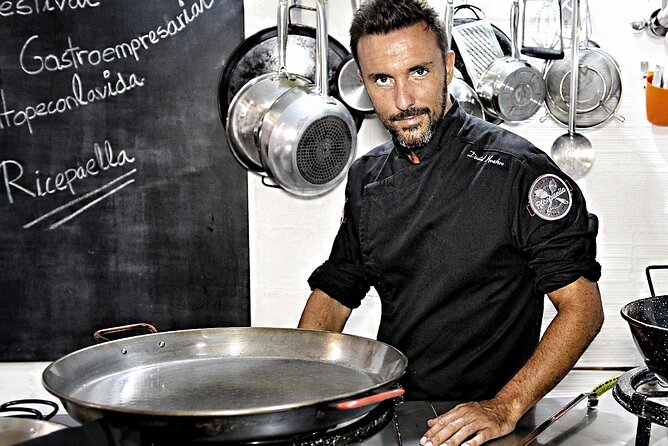
The teaching style may vary because several chefs lead the experience. Antonio received especially warm praise for his food knowledge, storytelling, English, and personal attention. He also shared practical chef tips and, in one case, recipes and contact information for questions about cooking at home.
Carlos was praised for explaining both the cooking process and the background of paella. One class took place at a new location for him, so he was still getting used to the kitchen, but the final dish was described as high quality. That tells you the venue and instructor rhythm may not be identical every night.
Pepe was noted for combining cooking instruction with stories about Valencia. Gregor explained the cultural background of the ingredients while guiding the group through the steps. These details suggest that the activity is not built around a single scripted performance. Your chef may bring a different style and personality to the evening.
The common thread is participation. The most successful sessions appear to come when the group gets involved and asks questions. If you want a quiet meal with someone else doing all the work, this is not the right format. If you like learning by doing, the class gives you useful tools for making the dish again.
Eating the paella you helped make
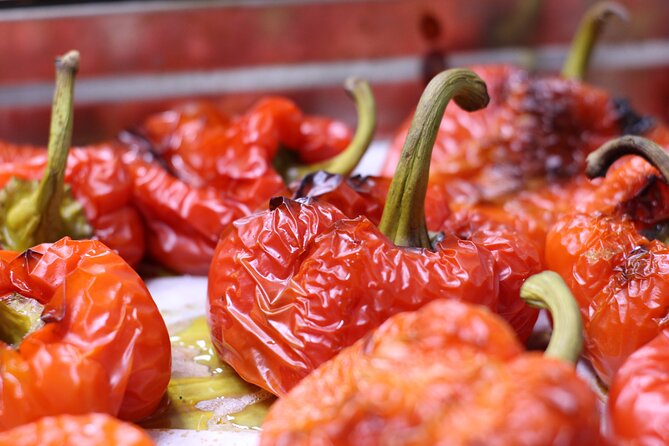
Once the rice is ready, you sit down to eat the paella with the group. This is the payoff, but it also functions as the final lesson. You can taste how the rice absorbed the stock and seasoning, and you can compare the finished result with the techniques explained earlier.
Dessert is included. The choices listed are traditional cheesecake, chocolate cheesecake, or Valencian orange. The full meal therefore includes starters, paella, sangria, and a sweet finish, making the $118.94 price easier to assess than if you were paying only for a short demonstration.
The meal is also a social part of the experience. You may arrive as a couple, family, or solo participant, then work at a shared table with the rest of the small group. One session included four people and one solo participant, a size that allowed everyone to take part without the room feeling crowded.
The food received the strongest praise across the experience. The paella, tapas, sangria, and desserts were repeatedly described as delicious, while the instructors were appreciated for keeping the mood friendly. That combination makes this a good evening activity when you want dinner to be part of your sightseeing rather than a separate restaurant reservation.
How much value you get for $118.94
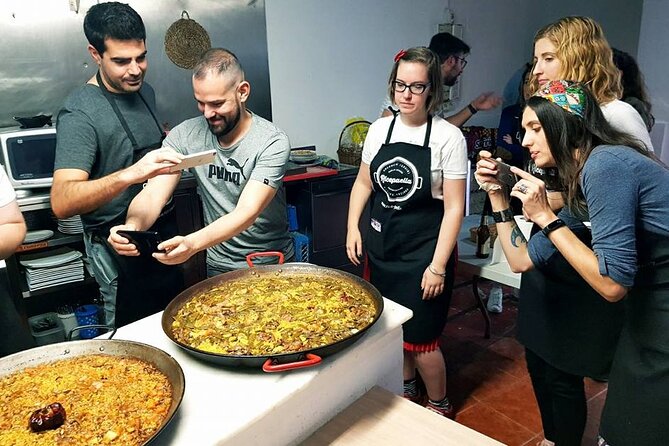
At $118.94 per person, this is not a budget meal. You are paying for instruction, ingredients, hands-on participation, several courses, drinks, and a small group rather than simply ordering paella at a restaurant.
The value depends on what you want from the evening. If you only want to eat Valencian paella, a restaurant will cost less. If you want to understand the dish, learn a process you can repeat, and spend two hours cooking with a local chef, the price is easier to justify.
The small group helps. Eight is the maximum, not a promise that every session will reach that number. A smaller group gives you more time to ask about rice, heat, rabbit, vegetables, or the practical details of using a paella pan at home.
The included starters and dessert also matter. You are not left waiting for the rice with an empty glass and nothing to eat. Instead, the meal develops in stages, with snacks and drinks covering the cooking time.
Still, keep your expectations realistic. This is an authentic working kitchen, not necessarily an air-conditioned studio designed for comfort. On a hot evening, the lack of air conditioning can be uncomfortable. A clean, well-organized setting is important for a food experience, and the note about rice stored on the toilet floor is a legitimate concern for anyone sensitive to kitchen standards.
Who will enjoy this Valencia cooking class
I would choose this for food-focused visitors, couples, solo participants, and small groups who want to meet people while learning a local dish. It is also a good choice for anyone who has eaten paella elsewhere and wants to understand what makes the Valencian version different.
Families may enjoy the shared work, though the available information does not specify a minimum age or child policy. You should confirm those details before booking if children are part of your plan.
This is also useful for confident home cooks. The lesson covers the parts that matter when repeating the recipe, including rice, seasoning, ingredient balance, and common cooking problems. You may leave with enough guidance to try your own pan, but the result at home will still depend on your ingredients, equipment, and heat control.
I would be less likely to recommend it to someone seeking a polished culinary school, private instruction, or a quiet meal. The group is small, but it is still a group activity. You will be sharing duties and attention with other people.
The class is offered in English, which makes the technical explanations easier to follow for English-speaking visitors. Since the chef may change, the amount of storytelling and personal guidance can vary from one session to another.
Practical details that affect your choice
You receive confirmation when booking, and the mobile ticket is convenient for a day of sightseeing. The activity starts and ends at Carrer del Músic Peydró, 4, in Ciutat Vella, so check the location against your plans before choosing an evening slot.
The experience is often booked about 31 days ahead. That does not guarantee every date will sell out, but it is a useful warning not to leave a popular small-group activity until the last minute, especially if you are visiting during a busy period.
Free cancellation is available until 24 hours before the start time for a full refund. Cancellations or changes made within 24 hours are not accepted for a refund, and the cut-off follows local Valencia time.
The activity lasts about two hours. That is enough time for a full cooking-and-dining session, but not enough for a long market tour or an extended chef demonstration. Plan it as a focused meal activity, not a half-day food excursion.
Should you book this paella experience?
I would book it if you want the regional recipe, hands-on work, and a full meal in a small English-speaking group. The best reasons are the traditional rabbit and chicken version, local market ingredients, useful rice instruction, and chefs such as Antonio, Carlos, Pepe, and Gregor who add stories and practical advice.
I would pause if kitchen comfort and polished surroundings matter more to you than participation. The no-air-conditioning issue and the concern about rice storage deserve attention, even though the food and teaching were generally praised.
For most food-minded visitors, the strongest value is that you do not just taste Valencia. You learn how to carry part of it home in a paella pan.
FAQ
Where does the paella class meet?
The meeting point is Carrer del Músic Peydró, 4, in Ciutat Vella, Valencia, Spain.
How long does the activity last?
The cooking and dining experience lasts approximately two hours.
What language is the class offered in?
The class is offered in English.
How many people can join the class?
The maximum group size is eight people.
What type of paella do you learn to make?
You learn to make Paella Valenciana, the traditional regional recipe made with rabbit, chicken, fresh vegetables, and rice.
Are food and drinks included?
Yes. The experience includes typical Spanish starters, paella, sangria, and dessert. The listed dessert choices include traditional cheesecake, chocolate cheesecake, or Valencian orange.
Do I receive booking confirmation?
Yes. Confirmation is provided at the time of booking, and the experience uses a mobile ticket.
Can I cancel for a full refund?
Yes, if you cancel at least 24 hours before the experience start time. Cancellations or changes made less than 24 hours before the start time are not accepted for a refund.
Just added around Valencia
- Vegetable Paella cooking class, tapas and Ruzafa market visit★ 5.0 · 79 reviews
- Tapas & Paella Experience | 3 Local places | Meet Travelers★ 5.0 · 5 reviews
- Valencia Food Tour: Tapas, Drinks and Delights with a Local★ 5.0 · 93 reviews
- Valencia Wine Tasting and Tapas Experience★ 5.0 · 2 reviews
- Genuine Valencian tapas tour with a pinch of History★ 5.0 · 20 reviews
- Valencia Paella & Tapas Home Cooking Class with Local Chef Jose★ 5.0 · 69 reviews
- Authentic Paella Dinner in Valencia★ 5.0 · 3 reviews
- Savor Spain: Your Ultimate Tapas Tour Guide★ 3.0 · 9 reviews
Valencia Tapas Tours, compared.

Valencia Old Town Tour with Wine & Tapas in 11th Century Historic Monument
Read our review →
Old Town Tour, Wine & Tapas in an 11th c. Monument
Read our review →
Paella Cooking Class, Wine Tasting & Central Market in Valencia
Read our review →
Valencian paella cooking class, tapas and visit to Ruzafa market.
Read our review →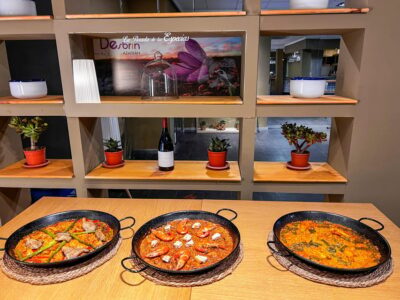

Valencian paella workshop and visit to the Algiros market
Read our review →Browse the lists this tour appears in