Review · SEVILLE TAPAS TOURS
Seville: 3.5-Hour Spanish Cooking Class & Triana Market Tour
Triana Market is not just a backdrop for this cooking class. It is your starting point, pantry, and cultural lesson all in one. You walk through one of Seville’s traditional food markets, learn what the stalls sell, then use that local produce to prepare a meal with an English-speaking chef.
I like the market-to-table format and the generous hands-on work. You are not simply watching a chef cook paella. You may chop garlic, prepare vegetables, handle chicken, and help bring several dishes together. I also like the easy social tone, with sangria during the class and wine, beer, or soda served with the meal.
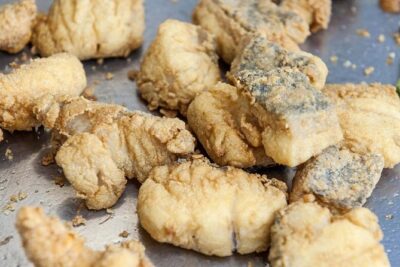
The main consideration is timing: the market tour is available only in the morning, and the menu can change. Salmorejo may become gazpacho, while spinach with chickpeas may be replaced by flamenco eggs, cod fritters, or garlic prawns. Tell the operator about allergies, intolerances, and dietary needs before you arrive.
Key points to know before booking
- Triana Market comes first: Meet at Plaza del Altozano, stalls 75 to 77, for a guided look at local ingredients and market traditions.
- You help cook three main dishes: The standard menu includes salmorejo, spinach with chickpeas, and chicken and seasonal vegetable paella.
- Vegetarians receive separate paella: A vegetable paella is prepared when needed, and vegetarian participants are included in the work.
- Sangria is part of the lesson: You drink it while cooking, then receive up to two more drinks with the meal.
- The class is social and practical: Guides and chefs such as Sabrina, Leo, Dom, Maria, Pedro, and Ana are frequently praised for clear instruction and good humor.
- The price covers a full meal: At $88 per person, ingredients, apron use, the cooking class, sangria, and two meal drinks are included.
Why Triana Market makes the class worthwhile
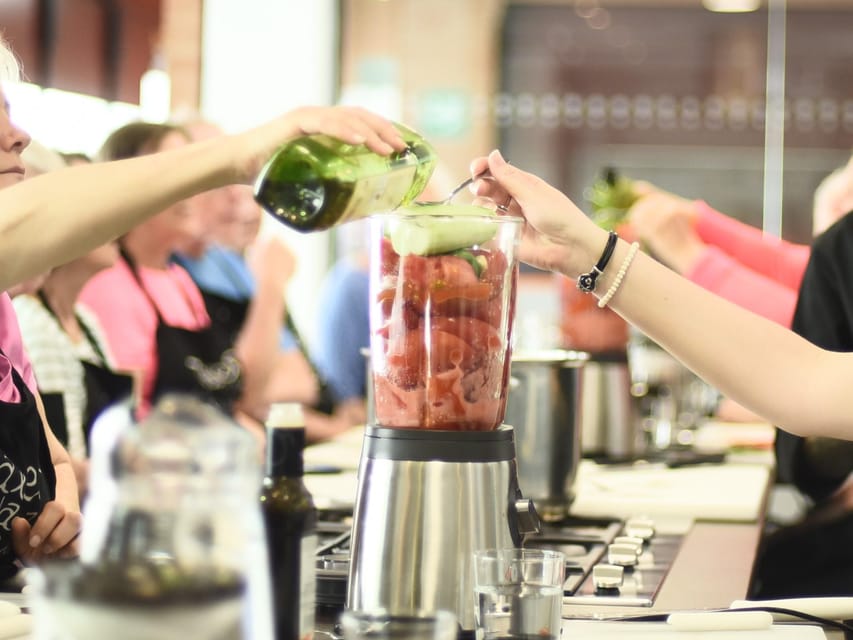
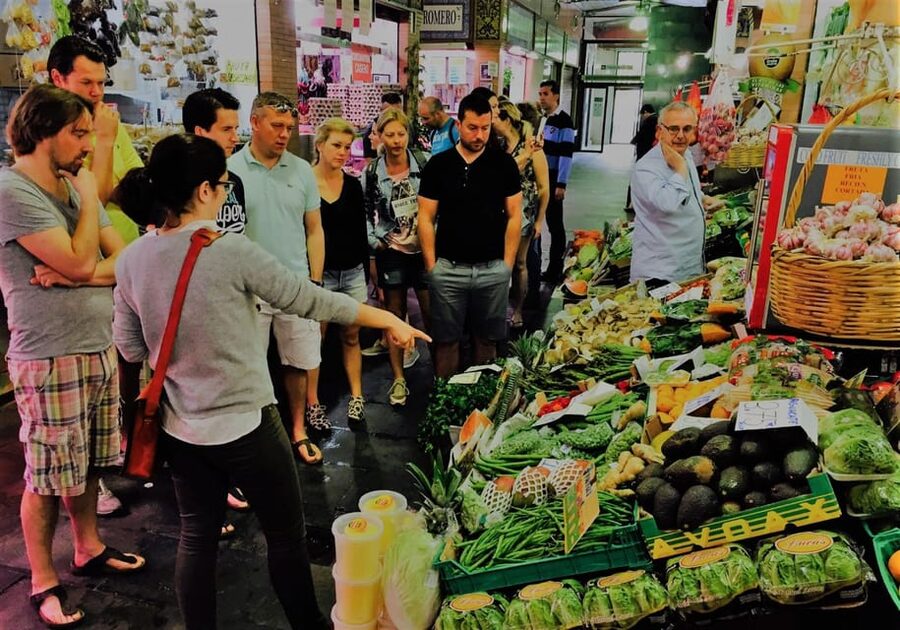
Many cooking classes could take place in any kitchen. This one begins inside Seville’s Triana Market, which gives the food a proper sense of place. You meet at Plaza del Altozano, at stalls 75 to 77, then take a short guided walk through the market before cooking begins.
Your guide explains the products used in Andalusian cooking and points out the kinds of meat, cheese, vegetables, and other ingredients sold at the stalls. The market visit is not a long sightseeing tour, but it gives you useful context. You learn what salmorejo is made from, where paella ingredients begin, and how local produce fits into everyday cooking.
I especially like this first section for anyone arriving in Seville without much food vocabulary. Spanish markets can feel confusing when you do not know the names of the products or how they are used. A guide such as Ana, Sabrina, Clara, Carmen, or Kai can help connect the ingredients to dishes you will soon prepare.
Go early if you are taking the morning version. One useful tip is to allow time to look around the market before or after the guided portion. You may want breakfast there, or you may find ingredients and food products worth buying for later.
The market is still a working food market, not a staged museum. That means the visit has an everyday quality, but it can also feel active and crowded at times. Your guide needs to keep the group moving while avoiding disruption to local shoppers. The market tour is relatively short, so do not book this expecting a long, detailed food history lecture.
More Market and Tapas Tours in Seville
- Spanish Cooking Class & Triana Market Tour in Sevilla
★ 5.0 · 760 reviews - Seville Vegan Tapas Food and Market Walking Tour
★ 5.0 · 40 reviews - The Seville Market & Tapas Tour by Food Lover Tour
★ 5.0 · 33 reviews
What you cook during the 3.5-hour class
The cooking portion lasts long enough to teach several dishes without turning the day into a full professional course. The usual menu has three savory preparations and a light dessert.
You start with salmorejo, the thick, cold tomato soup associated with Córdoba and popular across Andalusia. On some dates, the class prepares gazpacho instead. Both dishes give you a useful introduction to the importance of ripe produce, texture, seasoning, and olive oil in southern Spanish cooking.
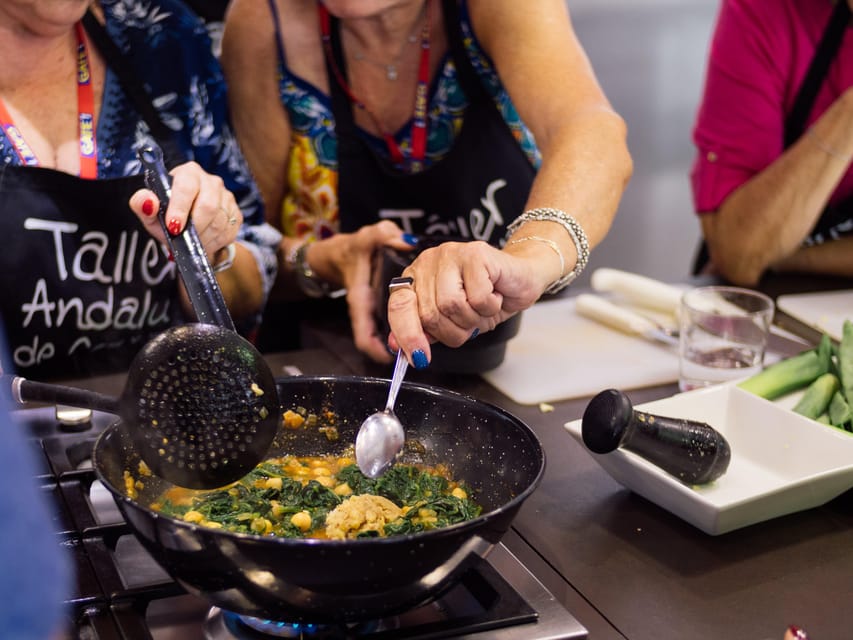
The second dish is usually spinach with chickpeas. It is a modest Andalusian combination, but that is part of its appeal. You learn how a few inexpensive ingredients can become a satisfying dish when seasoned and cooked properly. Depending on the session, this course may be replaced by flamenco eggs, cod fritters, or garlic prawns.
The main event is Valencian-style paella with chicken and seasonal vegetables. This is not the seafood paella many people picture first, and that makes it a good lesson in regional variation. Paella has many forms, and the class focuses on a chicken and vegetable version.
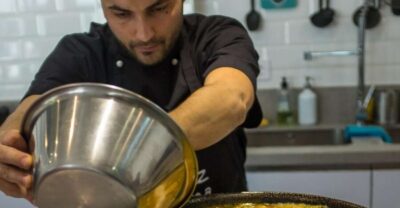
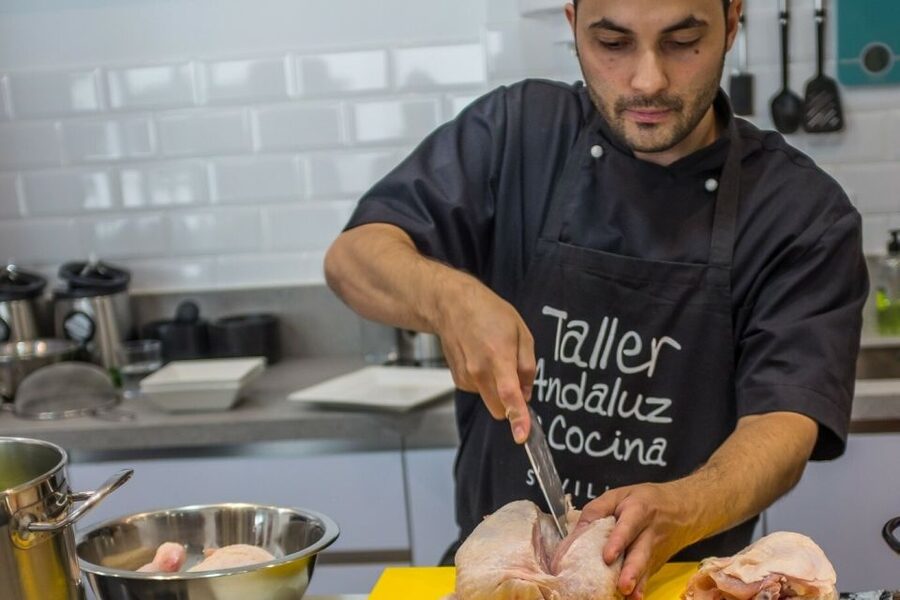
You may help with jobs such as chopping vegetables, preparing garlic, and handling chicken. Some participants have learned to debone a chicken during the class. That does not mean the session is aimed only at confident cooks. The chef demonstrates each step, then gives you room to take part at your own level.
Dessert is light, often a lemon sorbet or similar lemon-based finish served with cava. It works well after a meal that includes paella and several other dishes. The dessert is not the main reason to book, but it closes the meal neatly.
How hands-on is the cooking?
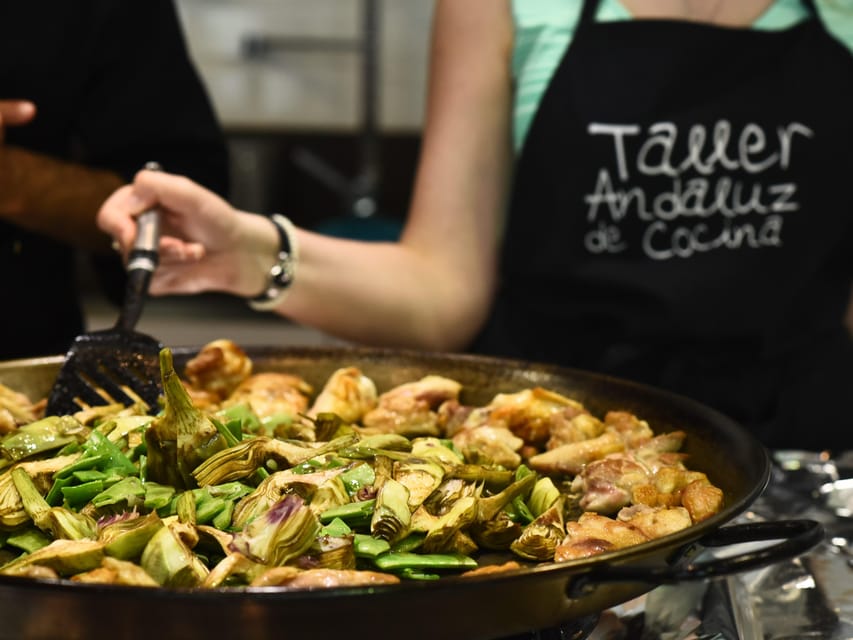
This is a participatory class, not a chef demonstration with a few token tasks. The kitchen is arranged so people can take turns preparing ingredients and helping with the cooking. You still watch the chef for important steps, but you should expect to chop, stir, season, and contribute to the finished meal.
The balance seems particularly useful for mixed groups. Confident cooks can pick up small techniques, while beginners receive close guidance when needed. One of the practical strengths of chefs such as Dom, Leo, Maria, Carlo, and Pedro is their ability to explain basic tasks without making inexperienced cooks feel awkward.
You will also receive tips that are useful at home. These include fine garlic chopping, preparing artichokes, deboning chicken, and managing the stages of paella. The exact lesson depends on the menu and the chef, but the focus is clearly on techniques you can repeat rather than on watching a one-off performance.
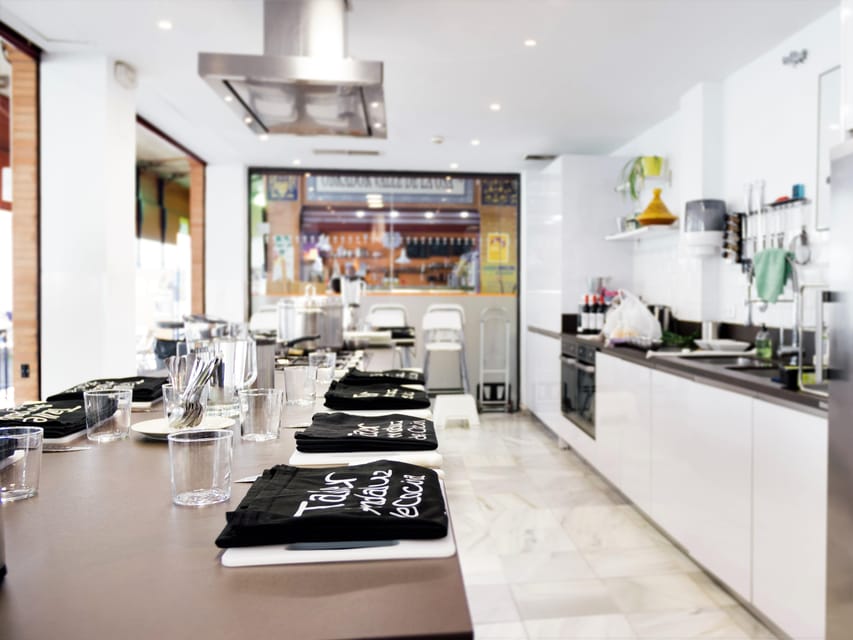
The cooking area is described as clean, organized, and spacious enough for participants to see the demonstrations and take part. Still, remember that this is a group class. You may not personally handle every stage of every dish, especially if the group is large.
That is the one limitation I would keep in mind. A hands-on group lesson gives you company and energy, but it cannot provide the same amount of individual attention as a private class. If you want to prepare every ingredient yourself, ask about the group size before booking.
Sangria, lunch, and the value of the meal
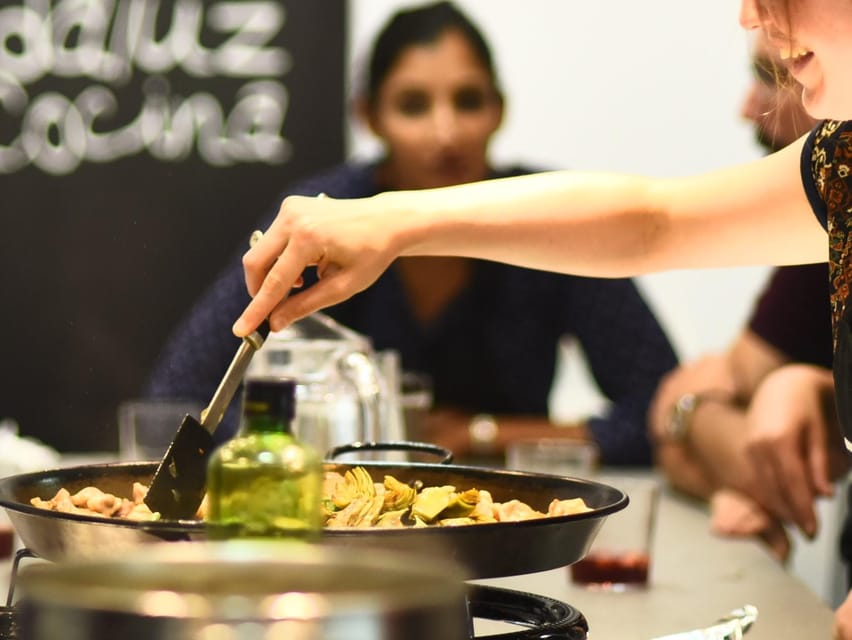
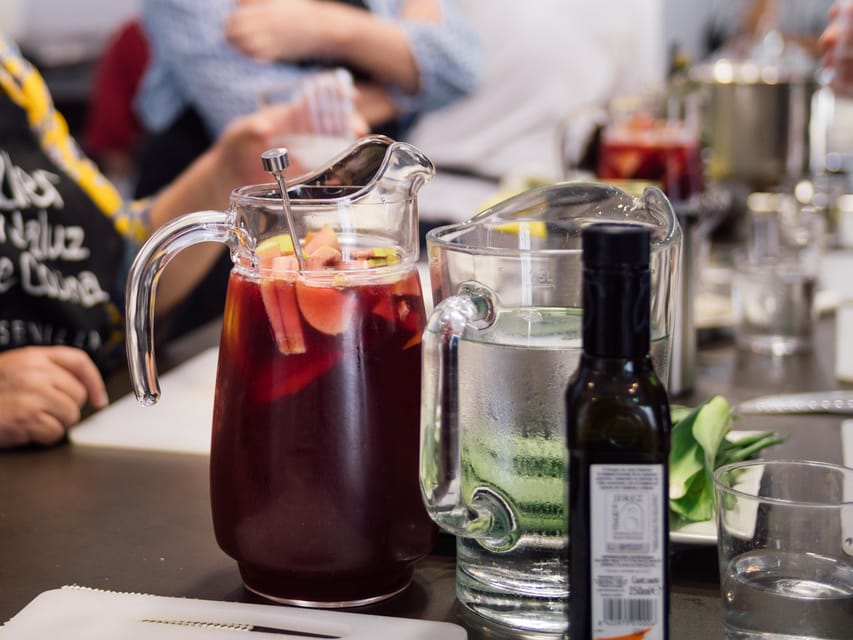
Sangria is made and served during the cooking time. This is more than a welcome drink because the class includes instruction on how to prepare it. The relaxed rhythm of chopping, stirring, and sipping helps the session feel social rather than formal.
With the meal, you receive up to two additional drinks per person. Options include local beer, red wine, white wine, or soda. Nonalcoholic choices are available, which matters for anyone who does not drink or wants to pace themselves after a morning of cooking.
At the end, you sit down and eat the dishes prepared by the group. The meal is not an extra restaurant stop. It is the payoff for the work you have just done, and it gives you a chance to taste the results while the methods are still fresh in your mind.
At $88 per person, I consider the price fair for Seville if you value a combined food tour and activity. You are paying for 3.5 hours, a market visit, an English-speaking chef and guide, all ingredients, apron use, sangria, a multi-course meal, and two additional drinks.
It is less compelling if you only want a quick market walk or the cheapest possible lunch. You could eat for less elsewhere, and a cooking class always costs more than a meal alone. The value comes from the instruction, the setting, the social experience, and the ability to recreate the dishes later.
Several class participants have found the paella especially memorable. That makes sense: paella takes patience and coordination, and eating it together gives the meal a clear finale. The salmorejo and spinach with chickpeas also provide useful recipes for home cooking, since neither depends on elaborate equipment.
More Spanish Cooking Classes in Seville
- Seville: Spanish Cooking Class with Dinner
★ 4.9 · 900 reviews - Spanish Cooking Class and Dinner in Seville
★ 5.0 · 261 reviews - Sevilla: Rooftop Paella Cooking Class & 30-minute expert Q&A
★ 5.0 · 198 reviews - Seville: Paella-Cooking Experience with Sangria & Full Meal
★ 4.9 · 42 reviews
Vegetarian and dietary considerations
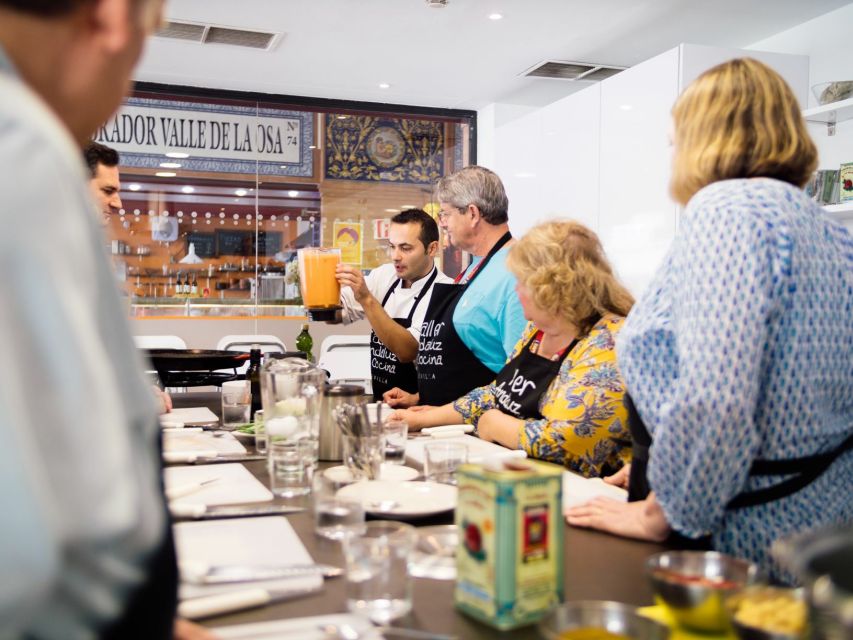
Vegetarians are not an afterthought here. If someone in the group is vegetarian, a separate vegetable paella is prepared. Vegetarian participants can still take part in the class rather than sitting out while the main dish is made.
That said, you should notify the operator about allergies, intolerances, or other restrictions before the class. The published menu includes chicken, chickpeas, seafood alternatives on some dates, dairy-related possibilities, and alcohol. Advance notice gives the team a chance to plan properly.
The menu is not fixed in every detail. Salmorejo may be replaced by gazpacho, and the second savory dish may change to flamenco eggs, cod fritters, or garlic prawns. If you have a strict dietary requirement, do not rely on the standard menu alone. Ask what will be served on your date.
The guides shape the experience
The cooking school uses different guides and chefs, so the personality of your session can vary. Names associated with the class include Leo, Dom, Maria, Pedro, Sabrina, Ana, Clara, Carmen, Kai, Carlo, Lydia, and others.
The best guides do two jobs at once. They explain the market without slowing down the local shoppers, then keep the kitchen organized so everyone has a chance to participate. The chefs add humor, but the jokes work best when paired with clear instruction.
I would expect a friendly, informal atmosphere rather than a quiet technical seminar. That suits couples, families, friends, and solo visitors who like meeting people over food. It may be less suitable if you prefer to cook alone or want a highly formal culinary lesson.
The class also works well near the start of a Seville stay. You learn about dishes to look for later and may get ideas for local products to try. One practical benefit is that you leave with more confidence ordering or recognizing Andalusian food.
Timing, meeting point, and practical details
The full activity lasts 3.5 hours. The market visit is in the morning, so check the available start time carefully when booking. The cooking class itself may fit into a morning or afternoon schedule depending on the selected session, but the market portion has the morning restriction.
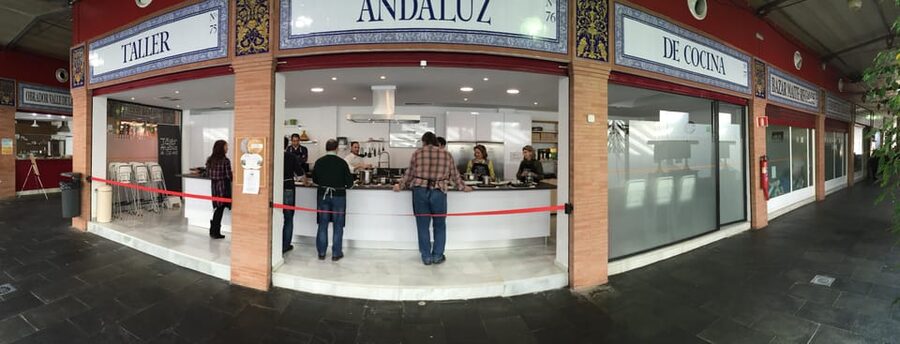
Meet at Triana Market, Plaza del Altozano, stalls 75 to 77, in Seville 41010. The cooking school is located inside the market, which keeps the transition from shopping area to kitchen simple.
Wear comfortable clothes suitable for food preparation. An apron is provided, but an apron does not protect every part of your outfit. You will be working with tomatoes, oil, garlic, vegetables, and other ingredients.
Free cancellation is available up to 24 hours before the activity for a full refund. You can also reserve and pay later, which is useful if your Seville schedule may change. These details make the class easier to fit into a trip with several moving parts.
Who should book this Seville cooking class?
I would recommend it most strongly to people who want more than a food tasting. You should book if you like learning by doing, enjoy shared meals, and want a practical link between Seville’s market culture and its cooking.
It is also a good choice for families with older children, couples, friends, and solo visitors who enjoy meeting people. Beginners are welcome because the chefs guide the group step by step. Experienced home cooks may still enjoy the regional recipes and small technique lessons.
Vegetarians can take part, provided the operator receives the necessary information in advance. People with serious allergies should contact the operator before paying, since the menu and substitutions can vary.
I would think twice if your schedule is tight, you dislike group activities, or you want a quiet private lesson. The 3.5-hour duration is a real commitment, and the market tour is tied to the morning. For everyone else, the format offers a useful balance of food, instruction, local context, and lunch.
Should you book it?
Yes, if you want to understand Seville through its cooking rather than simply eat another restaurant meal. The best parts are the setting inside Triana Market, the chance to prepare several dishes yourself, and the relaxed instruction from chefs who keep the room involved.
Book it early in your Seville stay if possible, especially if you want ideas for later meals. At $88, it is not a budget activity, but the food, drinks, ingredients, guide, chef, and 3.5 hours of instruction make it solid value for a hands-on culinary experience.
FAQ
Where does the Spanish cooking class meet?
Meet at Triana Market in Plaza del Altozano, at stalls 75 to 77, Seville 41010. The cooking school is located inside the Triana Food Market.
How long does the activity last?
The full market tour and cooking class lasts 3.5 hours.
Is the class taught in English?
Yes. The live guide and cooking class are conducted in English.
What dishes are normally prepared?
The standard menu includes salmorejo, spinach with chickpeas, chicken and seasonal vegetable paella, and a light dessert such as lemon sorbet with cava. Salmorejo may be replaced by gazpacho, and the second savory dish can sometimes change to flamenco eggs, cod fritters, or garlic prawns.
Can vegetarians take part?
Yes. A separate vegetable paella is prepared when there is a vegetarian in the group. You should tell the operator about allergies, intolerances, or dietary restrictions before attending.
What drinks are included?
Sangria is served during the cooking time. The meal includes up to two additional drinks per person, with choices such as local beer, white wine, red wine, or soda.
More Workshops in Seville
- Seville: Paella Cooking Class & 30-Min Local Expert Q&A
★ 4.8 · 37 reviews - Traditional Spanish Cooking Class in Local Seville Home
★ 4.5 · 13 reviews - Seville: Sangría and Spritz Cocktail Workshop with Tapas
★ 5.0 · 7 reviews - Seville: Andalusian Tapas Class
★ 4.8 · 5 reviews
More Shopping Tours in Seville
- Seville Off the Beaten Path Tapas and Market Tour
★ 5.0 · 21 reviews - Seville: Triana Market Tapas Tour
★ 4.5 · 18 reviews - Triana Market Tapas Tour
★ 4.9 · 12 reviews - Seville: Morning Market & Tapas Tour
★ 5.0 · 11 reviews
Just added around Seville
- Triana Market Tapas Tour★ 4.9 · 12 reviews
- Seville Wine & Gourmet Tapas Tour by Food Lover Tour★ 5.0 · 50 reviews
- Seville: Triana Market Tapas Tour★ 4.5 · 18 reviews
- Triana Gourmet Tapas Tour in Seville★ 5.0 · 42 reviews
- Sunset, tapas and Triana★ 4.5 · 19 reviews
- The One and Only Nuevo Tapas Tour★ 5.0 · 15 reviews
- Tapas Tour Sevilla★ 4.5 · 2 reviews
- Tapas Tour★ 4.5 · 3 reviews
Seville Tapas Tours, compared.
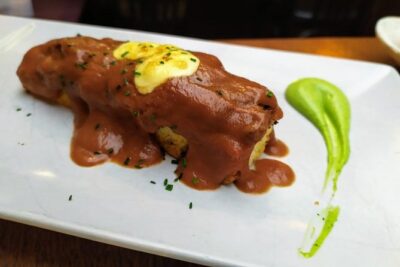
Sevilla Food Tour: Tapas, Wine, History & Traditions
Read our review →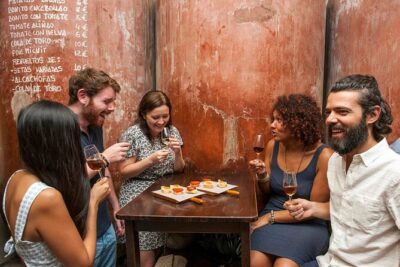
Ultimate Seville Tapas, Wine & History Small Group Tour
Read our review →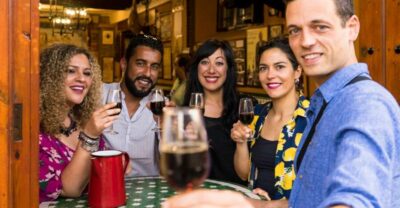
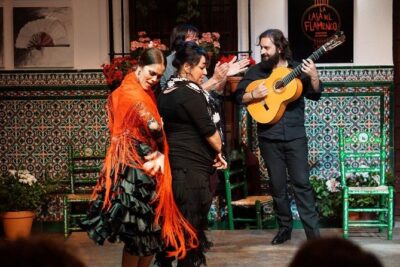
Authentic Flamenco Show with Tapas & Wine Guided Tour
Read our review →
Flamenco Show at Tablao El Arenal with Drink and Optional Dinner or Tapas
Read our review →
The Seville Tapas Crawl Tour by Food Lover Tour
Read our review →