
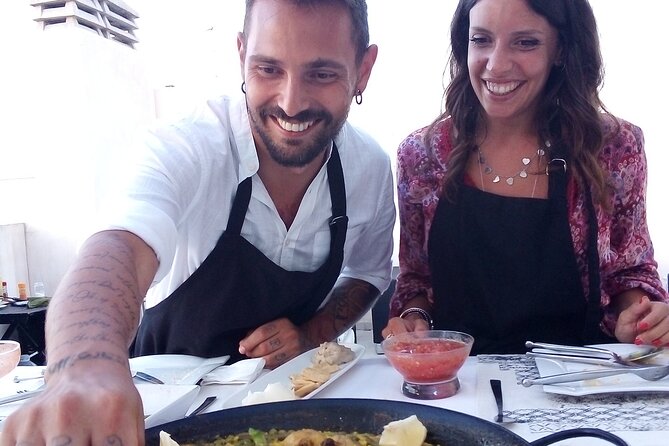
Review · SPAIN TAPAS TOURS
Discover 5 Secrets of Spanish Paella with a local!
The best part of this experience is that you do not just eat paella, you learn why the dish works. In a small Mutxamel cooking class, Chef Lorena guides you through tapas, three starters, traditional Valencian paella, and dessert, then sits down with you to enjoy the meal.
I like the maximum group size of eight, which leaves room for questions and conversation. I also like the mix of cooking and local stories, including Lorena’s explanation of paella’s place in Spanish culture and its journey through the medieval period. The main drawback is the fixed 5:00 pm start and the need to reach Mutxamel yourself.
Key points
- Cook in a family home setting: The class takes place in a charming attic in Mutxamel, a town near Alicante and the Costa Blanca beaches.
- Learn the secrets of Valencian paella: You prepare rice with chicken and vegetables while Lorena explains the details behind the recipe.
- Start with Agua de Valencia: Fresh orange juice and Spanish Cava make this a fitting regional welcome drink.
- Eat more than paella: The menu includes three tapas or starters, paella, dessert, and alcoholic beverages.
- Keep the group small: No more than eight people take part, which suits hands-on cooking and easy conversation.
- Plan for a 3.5-hour evening: The class begins at 5:00 pm and ends back at the meeting point.
Why Mutxamel makes a good cooking-class base
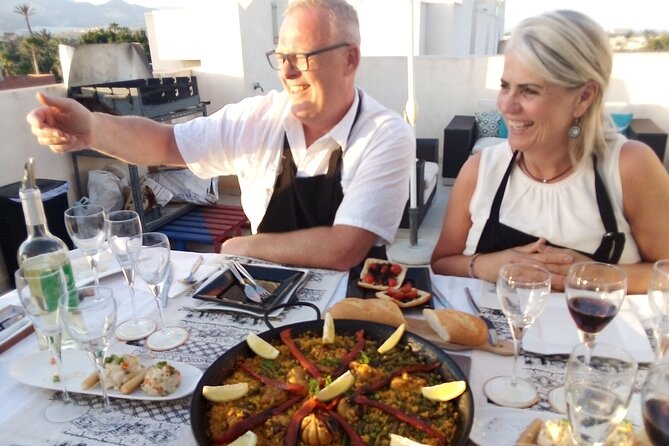
Mutxamel gives you a different side of the Costa Blanca. It is a family town near Alicante’s city center and beaches, but this experience is centered on local home life rather than a major sight or resort strip.
That setting matters. Paella is not only a restaurant dish. It is part of the social life of the Valencia region, and preparing it in a local home gives the meal a more personal frame. You are not simply handed a plate and sent on your way. You take part in the work, hear the stories behind it, and eat what you helped make.
The meeting point is on Carrer Miguel Alcaraz in Mutxamel. The address shown in the booking confirmation under the Before You Go section is the one to use, so check that information before leaving. The activity is near public transportation, but no specific route or transfer service is provided.
More Paella Cooking Classes in Spain:
- Barcelona: Paella Cooking Experience & Boqueria Market Tour
★ 4.8 · 3,661 reviews - Barcelona Paella Cooking Class with Market Visit, Tapas & Sangria
★ 5.0 · 2,531 reviews - Menorca: Coves and Beaches Boat Trip w/ optional Paella
★ 4.4 · 2,220 reviews
A 5:00 pm start sets the pace
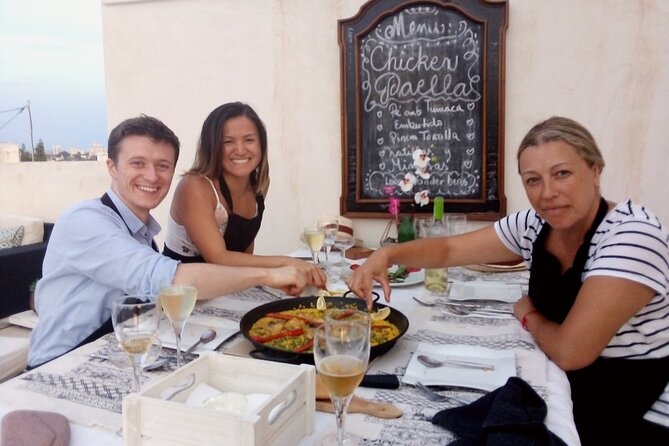
The experience begins at 5:00 pm and lasts about three hours and 30 minutes. That timing gives the class a relaxed evening shape. You begin with drinks and small bites, prepare the meal, and finish at the same meeting point after eating.
I would allow extra time to locate the address, especially if you are coming from Alicante, the beach area, or another part of the Costa Blanca. The supplied details do not give a hotel pickup, private transfer, or exact travel time from nearby resorts. You should treat this as a meet-up experience, not a pickup excursion.
The timing also means you should not book another activity that begins soon after. Cooking classes rarely run like a timed museum visit, and the social meal at the end is part of the point.
Agua de Valencia and three Spanish starters
Lorena begins with Agua de Valencia, a regional drink made with fresh orange juice and Spanish Cava. Valencia is famous for its oranges, so this is more than a generic welcome cocktail. It connects the first taste of the evening to the food culture of the area.
Alcoholic beverages are included, which adds value for adults who enjoy a drink with the meal. If you do not drink alcohol, the available details do not specify a nonalcoholic alternative, so it is sensible to ask when booking.
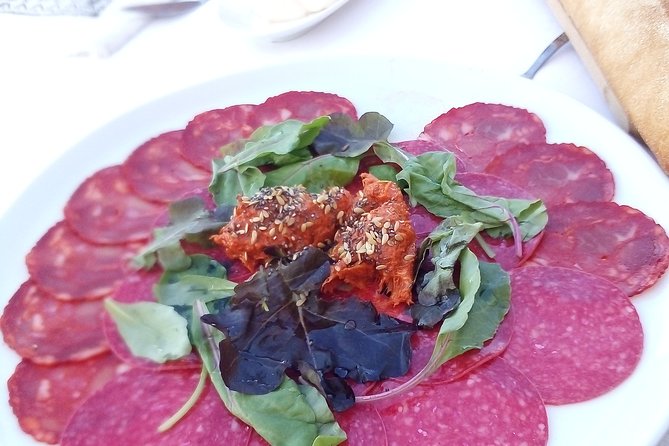
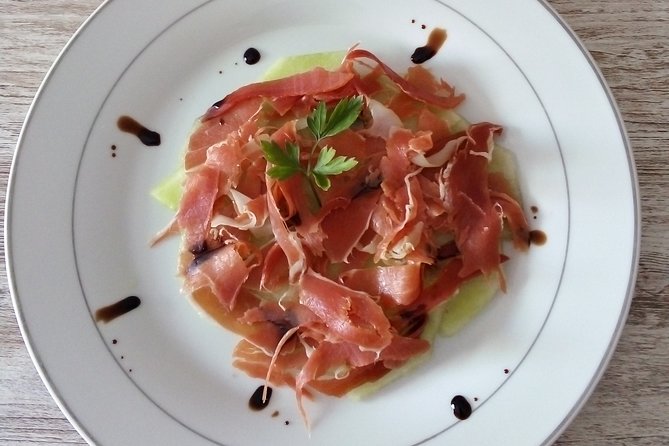
Next come three Spanish tapas selected from a rotating group of options. These may include tostas, cured meats, hot or cold soups, Russian salad, carpaccio, bread with tomato, tapenade and chili paste, or a tortilla pincho.
The changing selection keeps the meal from feeling overly fixed, but it also means you should not expect every named item at every class. The menu identifies examples rather than promising all of them. If one ingredient matters to you, ask ahead of time.
This opening part is useful because it gives you several smaller dishes to compare. Paella can receive all the attention, but Spanish cooking is also about bread, preserved meats, cold salads, soups, tortilla, and simple toppings. The tapas help you see that wider picture before the main dish arrives.
Three starters turn the lesson into a full meal
The class is not a short demonstration followed by a single serving of rice. You prepare three starters, then the paella and dessert. That makes the price easier to assess, since the experience includes both instruction and a substantial meal.
The exact work involved in each starter is not specified. You might prepare simple cold dishes, arrange toppings, or work with ingredients that need more cooking. Lorena’s selection will shape the evening, and the small group should make it easier to take part rather than simply watch.
I like this format for couples, friends, and solo visitors who want a shared activity. You have several chances to handle ingredients and ask questions, but the menu also gives the evening a clear structure. If you want a highly technical cooking school with detailed recipes and formal kitchen training, this may feel more social than academic.
Same city, a different plate:
- Montserrat Half-Day Tour with Tapas and Gourmet Wines
★ 5.0 · 7,359 reviews - Montserrat & Cogwheel Train, Gourmet Wine Tasting & Tapas/Lunch
★ 5.0 · 6,290 reviews - Barcelona Tapas and Wine Experience Small-Group Walking Tour
★ 5.0 · 5,804 reviews - Montserrat with Black Madonna & Medieval Winery with Tapas/Lunch
★ 5.0 · 5,209 reviews
The Valencian paella is the main lesson
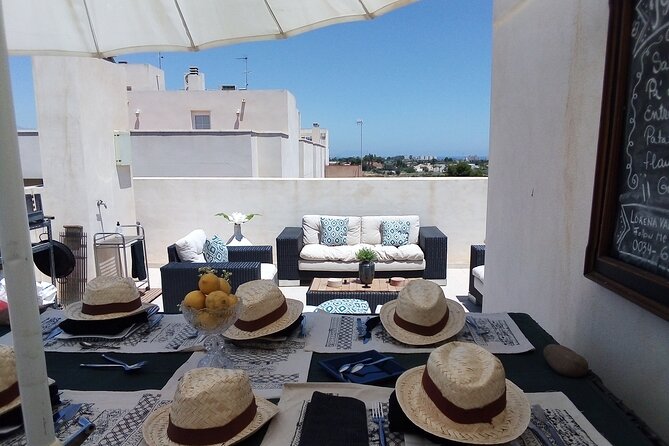
The centerpiece is a traditional Paella Valenciana made with rice, chicken, and vegetables. The class presents the recipe as one with several secrets, so the useful part is not only tasting the finished dish. You get a chance to understand how the ingredients come together and why the preparation matters.
Lorena also explains the dish’s place in Spanish food culture. One particularly memorable part of the evening is her account of paella through the medieval period, which gives the recipe a larger cultural setting without taking you away from the kitchen.
The class details do not provide the full recipe, cooking equipment, or a step-by-step list of techniques. You should therefore see this as a practical introduction rather than a guaranteed professional cooking course. You will learn from the process and from Lorena’s guidance, but the exact amount of hands-on work may depend on the group and the menu.
For anyone who has eaten paella mainly at a seaside restaurant, this can help explain the difference between a regional dish and a generic rice meal. The traditional Valencian version here focuses on chicken and vegetables. It is not described as seafood paella, so do not book expecting prawns, mussels, or other seafood.
Dessert completes the Spanish menu
After the paella comes a surprise dessert based on traditional Spanish sweets. The exact dessert is not named, which adds a small element of suspense but makes it impossible to plan around a particular favorite.
I see this as a pleasant finish rather than the main reason to book. The evening already offers a lot of food, and dessert rounds it out without adding another fixed item to the itinerary. If you have an allergy or special diet, make that clear before the class. The provider specifically asks participants to communicate food restrictions.
The meal is served after the cooking work is done, with Lorena at the table. That shared ending is important. You have time to talk about the dishes, ask follow-up questions, and enjoy the food without rushing straight back onto the street.
Lorena brings food and local stories together
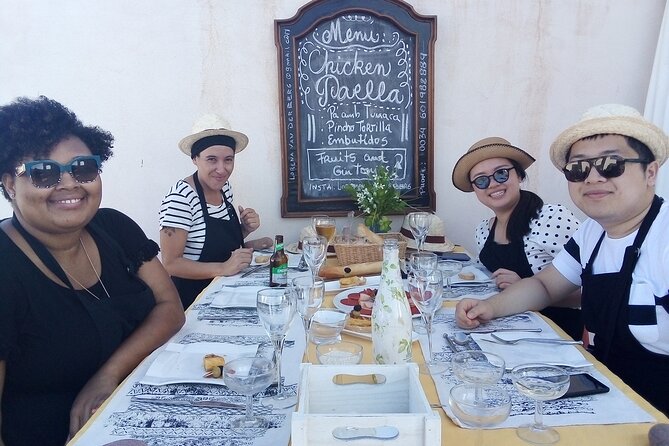
Chef Lorena is both a cook and a tour guide, so her role goes beyond showing you how to assemble ingredients. She talks about paella’s origins and its place in Spanish culinary culture, then joins you for the meal.
The strongest reason to choose this class is that combination. You get a practical food lesson, but you also get context. One participant described the evening as a pleasant conversation as well as a cooking experience, and that balance is easy to understand from the format.
Do not expect a formal lecture with dates and a long presentation. The information is woven into the cooking and the meal. If you enjoy learning through conversation, this should suit you well. If you prefer to spend every minute at a work station, the social side may feel like a distraction.
There is also a useful option to ask about lunchtime cooking classes. The experience described here starts in the evening, but Lorena may offer a longer or different format for people who want more time with Spanish cuisine. The available details do not give the schedule or price for those classes, so ask directly.
Eight people keeps the class personal
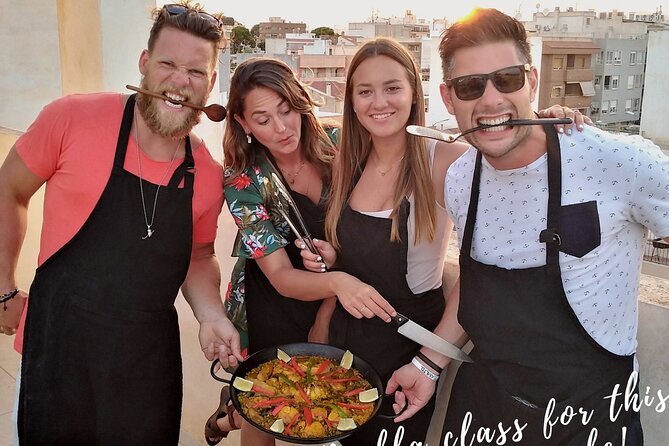
The maximum group size is eight. That is a strong feature for this type of activity. A small group makes it easier to hear the cooking instructions, ask about ingredients, and take part in the preparation.
It also supports the conversational side of the evening. You are sharing a meal in a home setting, not sitting in a large demonstration room. The group may include couples, friends, solo participants, or people with different levels of cooking experience, so expect a social class rather than a private lesson.
The small size does not guarantee that every person will perform every task. The supplied details do not explain how the work is divided. Still, eight is a manageable number, and it is far more suitable for personal contact than a large food tour.
Is the $98 price fair?
At $98 per person, this is not the cheapest way to eat paella in the Alicante area. You are paying for more than dinner, though. The price covers about three and a half hours, a small-group class, tapas, three starters, a paella meal, dessert, alcoholic beverages, and Lorena’s instruction and local food stories.
I would compare it with the cost of a good restaurant meal plus a separate cooking lesson. The value improves if you want both the meal and the chance to learn how the dishes are made. It is less compelling if you only want a quick paella dinner or if you already have a full kitchen class planned elsewhere.
The drinks also matter. Agua de Valencia begins the experience, and alcoholic beverages are included. That is useful for adults who want a complete evening without adding each drink to the bill, although the exact beverage selection is not specified.
Because the class is capped at eight, the price also buys a more personal setting. You should decide if that matters to you. For a special evening, food-focused holiday, or couple’s activity, the cost can make sense. For a budget meal, it is a splurge.
Who will enjoy this Mutxamel experience?
I would recommend it to you if you like food, conversation, and local customs in equal measure. It is especially suited to:
- Couples who want a relaxed evening activity
- Solo visitors who enjoy meeting people around a table
- Small groups looking for a shared meal with a practical element
- Anyone curious about Valencian paella beyond the restaurant menu
- Visitors staying near Alicante or the Costa Blanca who can reach Mutxamel
Families may also find it appealing, but the supplied details do not state a minimum age or child price. Ask before booking if children are coming.
I would be more cautious if you need a very specific menu. The tapas and dessert can vary, and dietary substitutions are not described. Ask about allergies, special diets, and alcohol-free options before committing.
You should also skip it if the 5:00 pm meeting time does not fit your schedule or if you want hotel pickup. The experience begins and ends at the Mutxamel meeting point.
Booking details that matter
Confirmation is sent at the time of booking. Use the full address in the confirmation voucher, listed under Before You Go, rather than relying only on the abbreviated meeting information.
The activity is offered in English. That makes Lorena’s cooking instruction and food stories accessible to English-speaking participants. The class has a mobile ticket, so you can keep the booking details on your phone.
Free cancellation is available if you cancel at least 24 hours before the local start time. A cancellation made less than 24 hours before 5:00 pm is not refunded, and changes inside that window are not accepted.
The experience requires a minimum number of participants. If that minimum is not reached and the activity is canceled, you will be offered another date or experience, or receive a full refund.
Should you book this paella class?
Book it if you want an evening built around hands-on Spanish cooking, not just a plate of rice. The small group, home setting, included tapas and drinks, and Lorena’s stories give the experience a personal feel. The strongest element is the chance to connect paella with the wider food culture of Valencia.
Before you pay, check three things: that you can reach Mutxamel for the 5:00 pm start, that the changing menu suits your diet, and that you value a cooking lesson enough to spend $98. If those points work for you, this is a well-rounded Costa Blanca food experience with a clear local focus.
FAQ
Where does the paella class take place?
The class takes place in Mutxamel, near Alicante and the Costa Blanca beaches. The meeting point is on Carrer Miguel Alcaraz, 03110 Mutxamel, Alicante, Spain. The full address is provided on the confirmation voucher under the Before You Go section.
What time does the activity start?
The activity starts at 5:00 pm.
How long does the experience last?
The experience lasts approximately three hours and 30 minutes.
How much does the class cost?
The listed price is $98 per person.
What food and drinks are included?
The experience includes Agua de Valencia, three Spanish tapas or starters, traditional Valencian paella with chicken and vegetables, a surprise traditional Spanish dessert, and alcoholic beverages.
Is the class offered in English?
Yes. The experience is offered in English.
How many people can join the class?
The activity has a maximum of eight participants.
Can I tell the provider about a food allergy or special diet?
Yes. You need to communicate any allergies, food restrictions, or special dietary needs.
Can I cancel for a full refund?
Yes, if you cancel at least 24 hours before the experience’s local start time. Cancellations made less than 24 hours before the start are not refunded, and changes during that period are not accepted.
Just added around Spain
- Zaragoza: Midday Market and Tapas Tour★ 5.0 · 8 reviews
- Winery Visit and Tasting in Elche with wines and tapas from Alicante in Van★ 5.0 · 9 reviews
- Zaragoza: Wine Tasting and Tapas★ 5.0 · 15 reviews
- Wine Tasting and local tapas delight in Cordoba★ 4.9 · 3 reviews
- Valencia: City Tour with Tapas Shore Excursion★ 5.0 · 9 reviews
- Valencia: Tapas and Sightseeing guided tour★ 4.9 · 9 reviews
- Valencia: Wine Tasting and Tapas Experience★ 4.5 · 38 reviews
- Valencia Old Town flavour walk: tapas & drinks by local★ 5.0 · 11 reviews
Spain Tapas Tours, compared.

Montserrat Half-Day Tour with Tapas and Gourmet Wines
Read our review →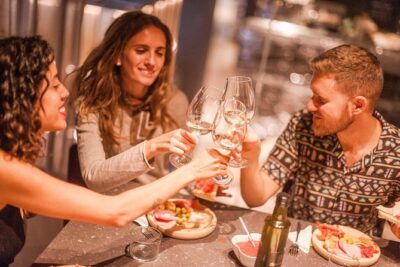
Montserrat & Cogwheel Train, Gourmet Wine Tasting & Tapas/Lunch
Read our review →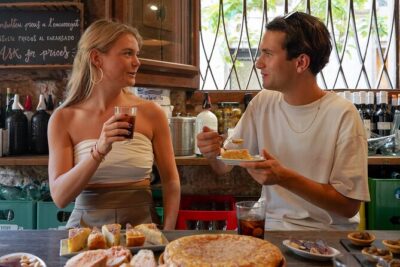
Barcelona Tapas and Wine Experience Small-Group Walking Tour
Read our review →
Montserrat with Black Madonna & Medieval Winery with Tapas/Lunch
Read our review →
Montserrat and Winery Tour with Tapas or Lunch
Read our review →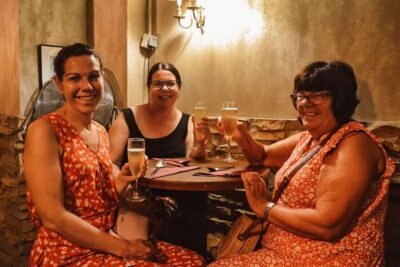
Tapas Walking Tour with Food, Wine, and History
Read our review →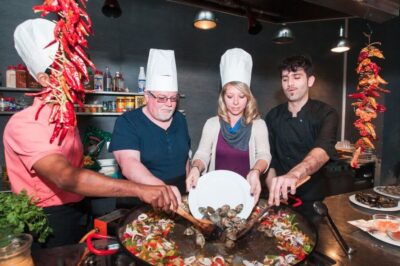
Paella Cooking Experience & Boqueria Market Tour
Read our review →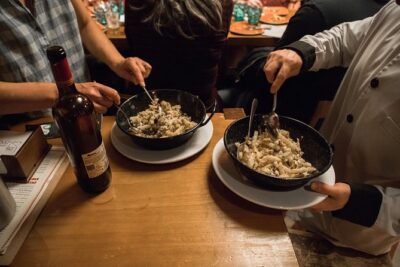
Madrid Tapas & Wine Tasting Walking Tour – Small Group Local Bars
Read our review →Browse the lists this tour appears in