Review · MADRID TAPAS TOURS
Madrid: Paella & Sangria Classes- Seafood, Chicken & Vegan option
The best part of this Madrid cooking class is that you do not simply watch a chef make paella. You help prepare the sangria, chop ingredients, and cook the rice as a group before sitting down to eat. It is a social Spanish meal with a practical lesson built in.
I like the hands-on group format, since everyone contributes instead of standing behind a counter watching one person cook. I also like the generous menu: tapas, paella, sangria, bottled water, coffee or tea, and three traditional Spanish shots are all part of the experience.
The main consideration is timing and doneness. The class can run at a relaxed pace when conversation is flowing, and some participants found the paella rice or seafood a little undercooked. If you prefer soft rice or fully cooked shellfish, keep that in mind.
Key points at a glance
- Make sangria from the beginning: You prepare a traditional mix with wine, fruit, spirits, juice, cinnamon, and ice.
- Cook one shared paella: The class works together on seafood, chicken, or a vegan version rather than each person making a separate pan.
- Eat more than paella: Spanish omelet, anchovy-stuffed olives, ham with tomato toast, dessert drinks, and coffee or herbal tea are included.
- Meet experienced hosts: Tony, Pedro, Carlos, Yireles, Pablo, Anthony, and other members of the team have led sessions described as friendly, lively, and clear.
- Recipes are provided: You can recreate the dishes at home instead of leaving with only a full stomach.
- Plan for a social three hours: The maximum group size is 25, although some sessions have been smaller and more interactive.
Cooking paella in central Madrid
This experience begins at Paurora Experiences, at C. de Carretas, 14, 2a, in Madrid’s Centro district. That central location makes the class easy to add to a day of sightseeing, though you are responsible for getting there unless you arrange paid pickup.
The class lasts about three hours. It takes place in a cooking area, bar area, and air-conditioned dining room, so you are not trying to cook and eat in a cramped restaurant corner. The polished setting is part of the appeal, especially for a first cooking class or a special evening with family.
The format is communal. You help prepare food with the other people in your group, then share the finished meal at a dining table. I like this better than a setup where each person makes a tiny individual dish. Paella is meant to be shared, and the group method fits the food.
It also means your enjoyment depends partly on the people in your session. A lively group can turn the meal into a very social evening. A larger or slower group may mean more standing around while ingredients are prepared. The stated maximum is 25 people, but one particularly comfortable class had 16 participants.
More Paella Cooking Classes in Madrid
- Spanish Cooking Class Paella Tapas and Sangria in Madrid
★ 5.0 · 1,340 reviews - Madrid: Paella and Sangria Workshop in the City Center
★ 4.9 · 1,264 reviews - Paella Cooking Class in Madrid with Bottomless Wine Pairing
★ 5.0 · 985 reviews
Sangria comes first
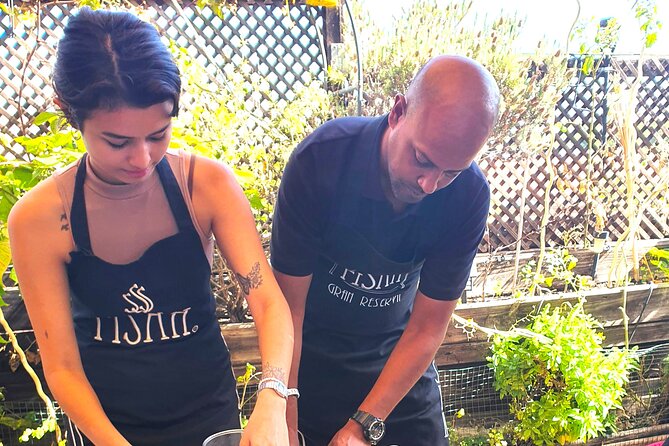
The opening lesson covers traditional sangria. The listed recipe uses wine, peach juice, rum, whiskey, gin, vodka, grenadine syrup, cinnamon, fruit, and ice. This is not a light fruit punch. The mixture can have a serious kick, particularly when followed by more drinks and shots later.
You take part in preparing the sangria rather than simply receiving a glass at the table. That gives you a useful recipe to remember, and it starts the evening in an easy, social way. The bar area is designed for this part of the activity, and the staff keep the tone relaxed and playful.
You should pace yourself. The class includes sangria with the meal and a tasting of three national liquors at the end. The drinks are generous enough that you may feel the effects well before the three hours are over. This is a cooking class with alcohol, not a quiet culinary demonstration.
If you do not drink, the experience still includes plenty of food and instruction, but the supplied information does not describe a separate nonalcoholic drinks program beyond bottled water, coffee, and herbal tea. Tell the provider about dietary needs or other concerns before the class.
Tapas before the main dish
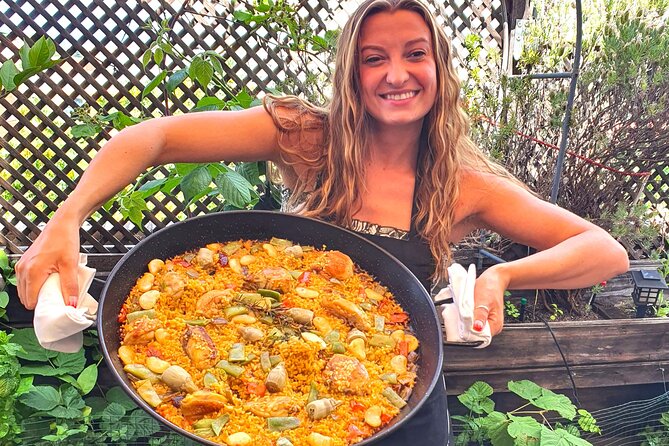
Before the paella, you sample several small Spanish dishes. The first is tortilla de patatas, the familiar Spanish potato omelet made with potatoes, eggs, onion, and olive oil. It is a simple dish, but it gives the class a useful introduction to everyday Spanish cooking.
You also receive toast with tomato and Salamanca ham. The tomato is spread over the bread, then topped with ham. This is a good example of how Spanish food often relies on a few strong ingredients rather than a long list of complicated steps.
The menu also lists olives stuffed with anchovies. Together, these starters give you salty, savory flavors before the rice arrives. They are not just filler while you wait. They make the meal feel like a proper Spanish lunch or dinner, not a single-dish workshop.
Vegetarian participants have been accommodated successfully, including a vegetarian paella and meat-free adaptations to the starters. A vegan option is advertised, but the exact menu changes are not specified. Contact the provider in advance with allergies, intolerances, or dietary restrictions. Do not wait until you arrive.
The shared paella lesson
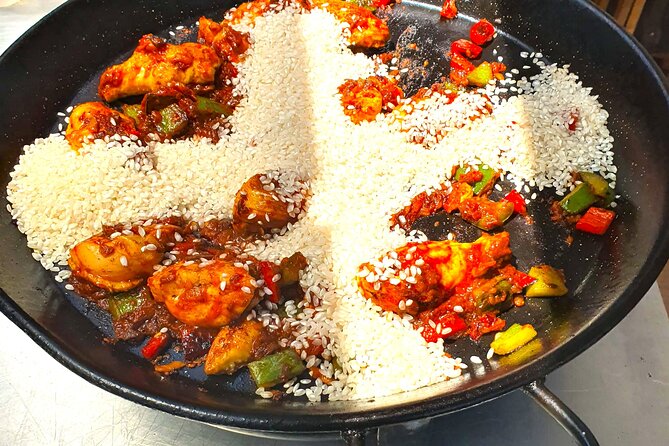
The central part of the experience is making paella. You chop ingredients, help prepare the cooking base, and take part in the process before the finished pan goes to the table. The listed seafood version uses rice, fish fumet, mussels, peppers, clams, squid, garlic, tomato, and saffron.
Chicken paella is also offered. The exact ingredient list for that version is not provided, but the class lets you choose between seafood and chicken. A vegan version can be arranged, which is useful for mixed groups with different diets.
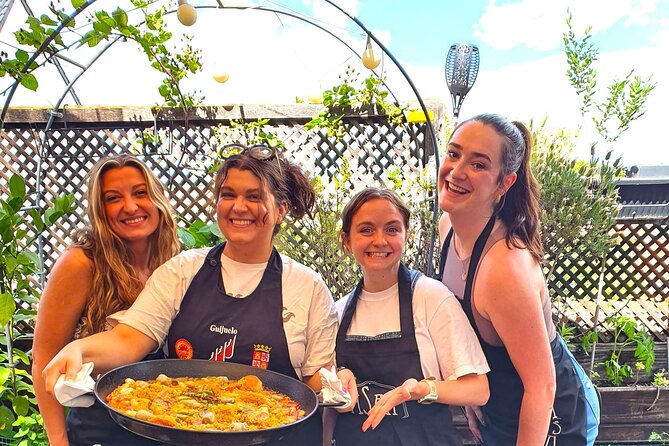
The group format works well here. You learn how the dish comes together while helping with the preparation, rather than receiving a recipe lecture with no practical work. The instructors answer questions and explain both cooking methods and the place paella holds in Spanish food culture.
The history section adds useful context, though it is not a formal history lesson. You may hear about the origins of the dish and the role of rice in Spain. One point worth remembering is that rice was introduced to Spain through Arab influence, a detail that was not always included in the historical explanation. If food history matters to you, ask questions during the lesson.
The cooking result may be slightly al dente. Some people like rice with a firm bite, while others expect softer rice. A small number of diners also found that mussels or shrimp needed more cooking. This is the clearest quality concern to keep in mind. It does not cancel out the value of the class, but it means the final texture may not satisfy everyone.
More Sangria and Tapas Tours in Madrid
- Paella Workshop with Bottomless Sangria in Central Madrid
★ 5.0 · 763 reviews - Madrid: Paella & Sangria Classes – Seafood, Chicken or Vegan
★ 4.9 · 201 reviews - Traditional Paella & Tortilla & Sangria
★ 5.0 · 164 reviews - 10 Tapas Cooking Class Experience in Madrid with Sangria
★ 5.0 · 137 reviews
A proper meal after the cooking
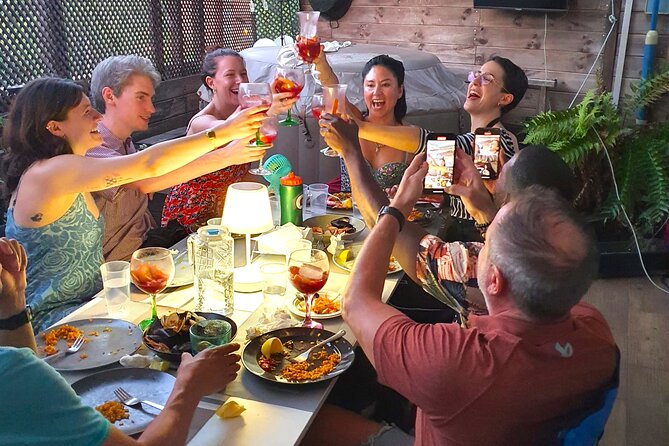
Once the paella is ready, you move to the air-conditioned dining room. This change of setting matters. You are no longer balancing a cutting board or watching the pan. You can sit down, talk with the group, and enjoy the meal in comfort.
The included food covers appetizers, the Spanish omelet, ham and tomato toast, and the main paella. Bottled water is included, along with sangria. Dessert is listed as coffee or herbal tea, followed by a tasting of three traditional Spanish liquors.
The meal is substantial enough to replace one of your main meals in Madrid. At $87.41 per person, the price is not cheap for a cooking class, but it includes instruction, a full meal, several drinks, and recipes. If you are already planning to pay for dinner and drinks, the difference becomes easier to justify.
The value is strongest for people who want an activity as well as food. If you only want the cheapest paella in Madrid, a restaurant will cost less. If you want to cook, meet people, learn a repeatable recipe, and eat what you prepared, the price is more reasonable.
What the instructors add
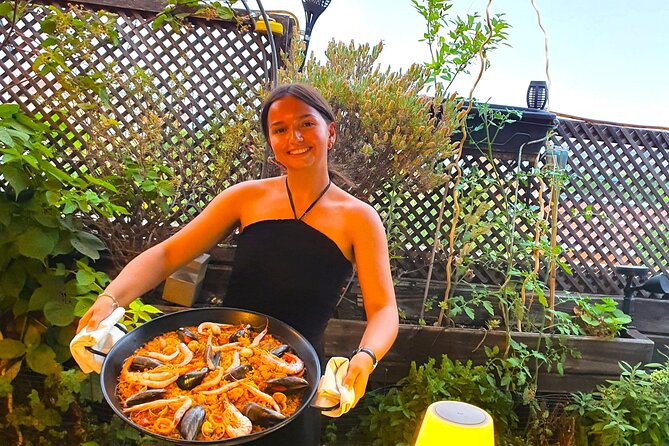
The teaching team is a major part of the experience. Tony, Pedro, Carlos, and Yireles are among the instructors named in session feedback. Pablo and Anthony are also praised for making the class friendly and accessible, and Anthony has been described as speaking three or four languages.
You should expect a warm, conversational teaching style rather than a rigid culinary school lesson. The instructors explain the food, keep the group involved, and respond to questions. Their humor helps first-time cooks feel comfortable.
This is particularly useful if you are traveling with family. Parents, older children, and adults with little kitchen experience can take part without needing professional skills. The class also works for couples, but it is not an intimate private dinner. You will share the cooking and table with other people.
The host team has also handled larger groups well. Several sessions turned into an evening of meeting new people over food. That social side is not a minor extra. It is one of the reasons to choose a cooking class instead of a standard restaurant meal.
Group size, pace, and atmosphere
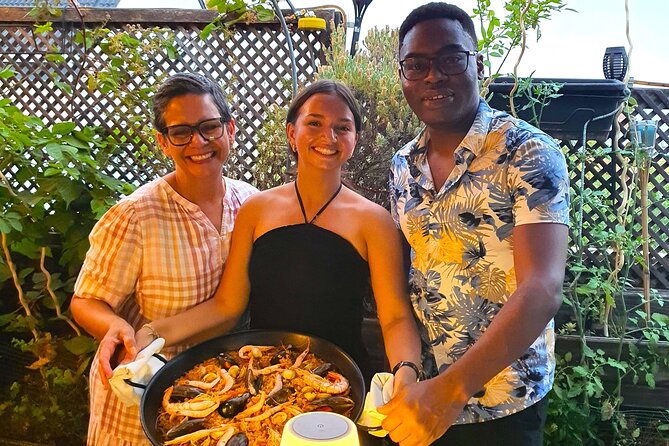
The maximum group size is 25. That is large enough to create a party atmosphere, but it can affect how much time you personally spend at the ingredients and pan. A smaller group may give you more direct contact with the instructor. A full session may feel livelier but less focused.
The class is generally described as well paced, though one larger family group felt that conversation delayed the start. This is worth considering if your Madrid schedule is tightly packed. Allow the full three hours and avoid booking something immediately afterward.
The setting is described as clean, well decorated, and carefully arranged, with separate cooking, bar, and dining areas. The air conditioning is a welcome detail during Madrid’s hotter months. The experience takes place indoors, so weather should not disrupt the class.
I would choose an evening session if available, especially near the end of your Madrid stay. You finish with a meal, drinks, and recipes rather than another museum or formal sightseeing stop. The class can also be a good first-night activity if you want a social introduction to Spanish food, though the alcohol makes it less suitable if you need an early start the next morning.
Practical details before you book
The meeting point is Paurora Experiences, C. de Carretas, 14, 2a, Centro, Madrid. The activity ends at the same location. Pickup is not included, but private pickup can be arranged for 50 euros for up to four people. Larger parties need to ask for a separate price.
Confirmation is sent at booking. The venue is near public transportation, and service animals are allowed. The experience is offered in English, which makes the cooking instructions accessible to English-speaking visitors.
Free cancellation applies if you cancel at least 24 hours before the scheduled start. A cancellation inside that window is not refunded, and last-minute changes are not accepted. The cutoff uses Madrid local time.
The experience is commonly booked about three weeks ahead. That does not guarantee every date will sell out, but it is a useful sign for planning. If you are visiting during a busy holiday period or have a larger group, reserve early.
Who will enjoy this paella class?
I would recommend it most strongly to:
- First-time visitors to Madrid who want a food activity rather than another guided walk.
- Families and groups of friends who enjoy doing one shared activity together.
- Couples who prefer a social dinner with instruction over a quiet restaurant table.
- Vegetarians and mixed-diet groups who contact the provider ahead of time for adjustments.
- People who want a useful souvenir, since the recipes let you repeat the dishes at home.
- Anyone curious about Spanish food traditions, especially paella, tortilla, tomato toast, and sangria.
I would be more cautious if you dislike group activities, avoid alcohol, need a perfectly timed itinerary, or are very particular about paella texture. The class has a party element, and the combination of sangria and liquor tasting can be stronger than expected.
Should you book it?
Book this experience if you want to cook with other people, learn a practical Spanish recipe, and make one meal into a social event. The strongest features are the hands-on group cooking, the generous food and drink package, the attractive indoor setting, and the friendly instruction associated with hosts such as Tony, Pedro, Carlos, and Yireles.
Do not book it solely for a flawless restaurant-style paella. The rice may be firm, and seafood may need more time for your taste. But if you accept the class as an interactive meal rather than a precision cooking course, $87.41 is a fair price for three hours of food, drinks, instruction, and recipes in central Madrid.
FAQ
How long does the paella and sangria class last?
The experience lasts approximately three hours.
Where does the class begin?
It begins at Paurora Experiences, C. de Carretas, 14, 2a, Centro, Centro, 28012 Madrid, Spain.
Where does the activity end?
The activity ends back at the meeting point.
Is lunch included?
Yes. The meal includes appetizers, Spanish omelet, Iberian ham toast with tomato, and paella as the main course.
What paella choices are available?
You can choose seafood paella or chicken paella. A vegan option is also available, with advance notice.
Is sangria included?
Yes. Alcoholic beverages, including sangria, are included.
Are any other drinks included?
Bottled water, coffee or herbal tea, and a tasting of three traditional Spanish liquors are included.
Are ingredients provided?
Yes. You do not need to bring ingredients or cooking supplies.
Can food allergies or intolerances be accommodated?
You should notify the provider in advance about allergies or intolerances so the menu can be adjusted.
What is the cancellation policy?
You can cancel for a full refund up to 24 hours before the scheduled start time. Cancellations or changes made less than 24 hours ahead are not accepted for a refund.
More Food Tours in Madrid
- Madrid Tapas & Taverns Small Group Food & History Tour
★ 5.0 · 2,664 reviews - Madrid Ultimate Spanish Cuisine Food Tour
★ 5.0 · 1,010 reviews - Madrid: Food & Wine Tour with 10 Tapas & 4 Drinks Included
★ 4.9 · 984 reviews - Madrid Historic Centre Food Tour with Authentic Tapas & Wines
★ 5.0 · 814 reviews
More Vegan & Vegetarian in Madrid
- Seville Vegan Tapas Food and Market Walking Tour
★ 5.0 · 40 reviews - Plant-based Tapas and Wine Night Tour in Seville Spain
★ 5.0 · 17 reviews - Barcelona Vegetarian Tapas and Food Walking Tour in Gracia
★ 4.5 · 3 reviews - Barcelona: Vegan Paella and traditional rice dishes
★ 5.0 · 3 reviews
Just added around Madrid
- Madrid Food Tour – Tapas Walking Tour★ 5.0 · 3 reviews
- Private Wine & Gourmet Tapas Tour in Madrid with Sommelier★ 5.0 · 49 reviews
- Traditional Paella & Sangría Workshop & Spanish Meal in Madrid★ 4.0 · 5 reviews
- Culinary tour “Tapas & Wines” in Madrid★ 5.0 · 3 reviews
- Madrid: Private Tapas & Wine Food Walking Tour in La Latina★ 5.0 · 4 reviews
- Tasting of 4 Spanish wines in Puerta del Sol Madrid★ 5.0 · 10 reviews
- Try Madrid Best Churros, Tapas & Market by FLT★ 5.0 · 37 reviews
- Tasty Tapas & Drinks Tour with a Rooftop Included★ 5.0 · 82 reviews
Madrid Tapas Tours, compared.
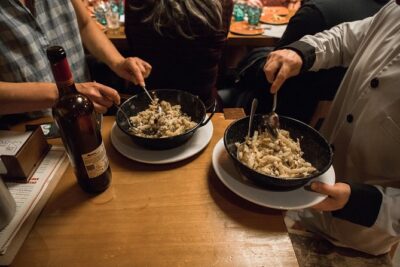
Madrid Tapas & Wine Tasting Walking Tour – Small Group Local Bars
Read our review →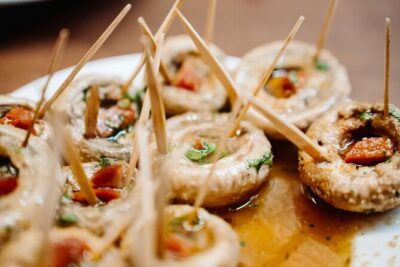
Madrid Tapas & Taverns Small Group Food & History Tour
Read our review →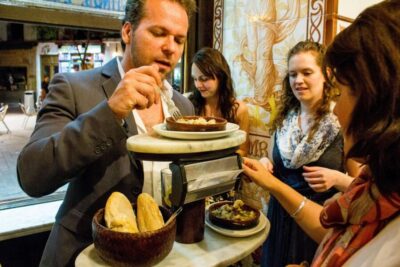
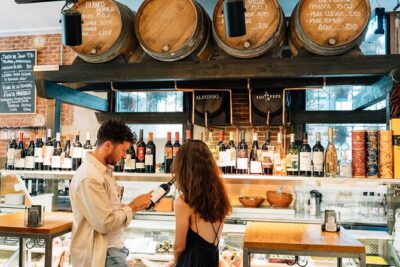
Madrid Tapas & Wine Tour with Rooftop Views and Local Guide
Read our review →
Madrid by Night Small Group Tour: Stories, Sights and Tapas Bites
Read our review →
Spanish Cooking Class Paella Tapas and Sangria in Madrid
Read our review →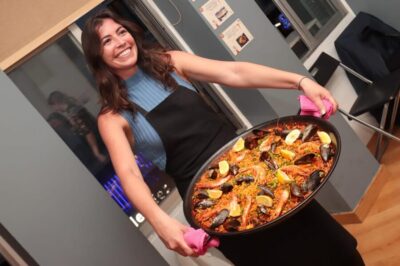
Paella and Sangria Workshop in the City Center
Read our review →