
Review · ALICANTE TAPAS TOURS
Paella & Sangria Class with Tapas and Market Visit
A market visit, a working kitchen, and a proper plate of paella make this more than a standard cooking demonstration. You begin at Alicante’s Central Market with guide Federico, also called Fred by some participants, then help turn fresh ingredients into lunch.
I like the market shopping, where you learn about Iberian ham, olives, seafood, and local produce before cooking. I also like the hands-on format: you help prepare the broth, salmorreta, tapas, sangria, and paella instead of sitting back and watching. The one caution is that paella here follows Alicante tradition, where the rice and stock matter more than a mountain of seafood or meat.
Key points to know before booking
- Alicante’s Central Market comes first: You shop for ingredients with your guide and learn how local products are selected.
- You cook from scratch: The class covers fish stock, salmorreta, ingredient preparation, paella, sangria, and tapas.
- Three paella choices: Pick seafood, meat, or vegetarian paella, subject to the class arrangements.
- The meal is part of the lesson: You eat the paella, tapas, salad, and sangria after preparing them.
- Small-group setting: The advertised maximum is 15 participants, while the practical information allows up to 16.
- Good value for a half-day activity: The $59.26 price includes the market visit, instruction, food, drinks, and a full meal.
Why this Alicante cooking class feels different
Many cooking classes begin with ingredients already measured and lined up. This one begins where Alicante residents shop. At Plaza 25 de Mayo, you meet your guide outside the Mercat Central d’Alacant, then enter the market to gather what the kitchen needs.
That first hour gives the class a useful local setting. You are not simply told that Spanish cooking depends on fresh produce and seafood. You see the ingredients, handle them, and learn what makes one product suitable for a traditional dish.
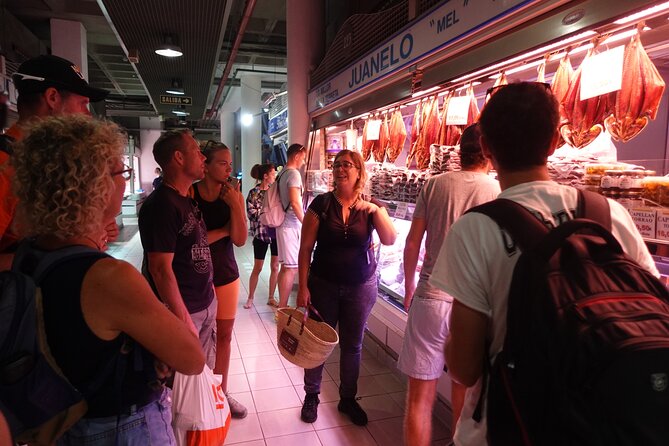
The class also gives you a reason to look closely at the market. You may learn about different olives, salted fish, Iberian ham, local sausage, shrimp, squid, vegetables, and the ingredients used for sangria. Federico is often the guide, and the information provided describes him as comfortable switching between English and Spanish while keeping the group involved.
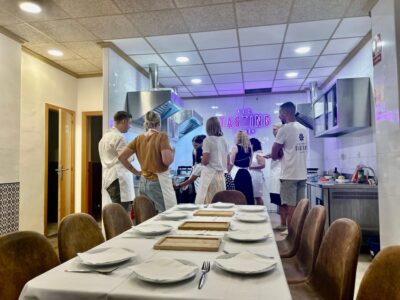
After shopping, you walk a few blocks to a real working restaurant kitchen. This is important. The class is not set in a staged tourist room designed only for demonstrations. You cook inside a local restaurant where people eat, with a professional chef and host helping the group.
The result is part food lesson, part market tour, and part shared meal. You get a look at Alicante cuisine from three angles: what is sold, how it is prepared, and how it is eaten.
More Paella Cooking Classes in Alicante:
- Alicante Paella Cooking Class, Tapas, Drinks and Marketplace
★ 5.0 · 349 reviews - Alicante Paella Cooking Class, Tapas, Drinks and Market
★ 4.9 · 301 reviews - Alicante: Paella & Sangria Class with Tapas and Market Visit
★ 4.8 · 243 reviews
Starting at Alicante’s Central Market
The meeting point is Plaza 25 de Mayo, outside the central market. The activity begins and ends here, and the market is close to public transportation. You should arrive ready to walk through food stalls and then continue on foot to the kitchen.
The market is the most distinctive part of the outing for many people. It is one of Spain’s largest indoor markets, with rows of vendors selling produce, meat, seafood, cured foods, olives, and other local staples. You are not just passing through for a quick photo. The guide uses the stalls to explain what you are buying and why it belongs in the meal.
This is where the class earns its local character. You can learn how Iberian ham is graded, how olives are prepared in brine, and how seafood from Alicante Bay differs from larger ocean varieties. You may also see ingredients that are less familiar, such as salted fish or cuttlefish.
The market portion has a practical benefit for home cooks. When you later repeat the recipes, you will have a better idea of what to look for at a Spanish market or specialty shop. The class is not only about following instructions. It gives you some context for the ingredients.
Allow yourself to stay attentive during this part. The stalls can be crowded, and a group is harder to keep together than a couple wandering independently. A smaller class of seven or eight is especially comfortable for market shopping, though the class can be larger.
Walking from the market to the kitchen
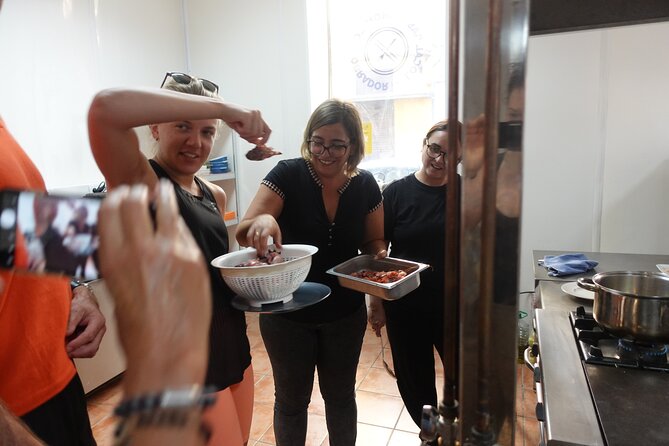
After selecting the ingredients, the group walks roughly three blocks to the restaurant kitchen. The change of setting is useful. The market shows you the raw materials, while the kitchen shows you how those ingredients become a meal.
The kitchen is described as a genuine working space rather than a classroom built for tourists. That means the atmosphere may feel more practical than polished. You are there to chop, stir, prepare, and cook, not simply to watch a chef perform.
The group size matters here. The experience is advertised for a maximum of 15 participants, with the additional information allowing up to 16. Smaller groups make it easier for everyone to take a turn, especially when preparing seafood or working around the paella pan. If you prefer close instruction, booking a date with a smaller group would be a sensible choice, though the final group size can vary.
Two staff members may assist, with a guide leading the class and a chef helping with the food preparation. Fred and chef Maria are both specifically praised in the supplied information. The teaching style is interactive, with people sharing tasks rather than watching one person do everything.
Learning the base of a real paella
The central lesson is not simply how to add rice to a pan. You learn the foundations that give paella its flavor.
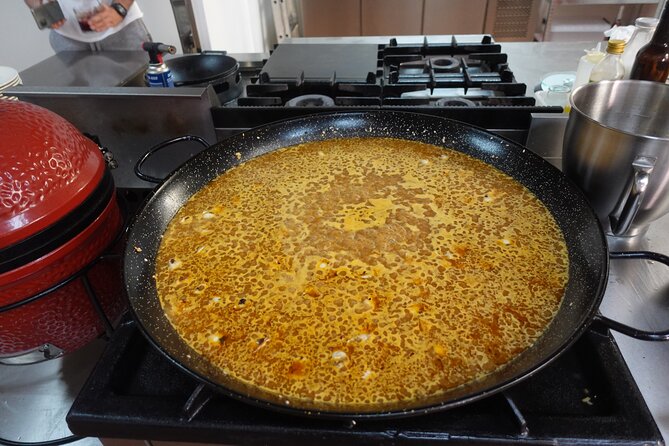
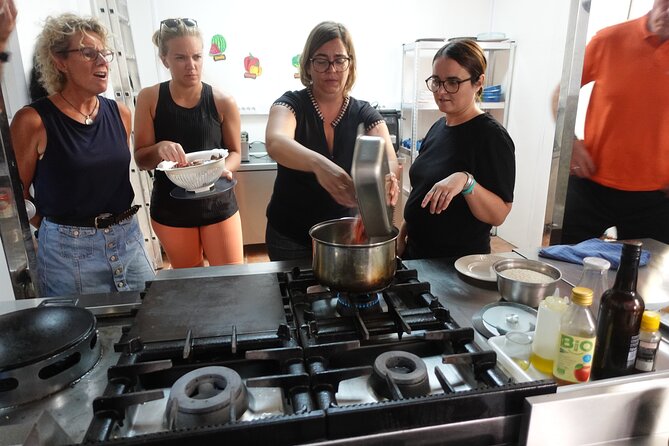
The group prepares broth from fresh ingredients and makes salmorreta, a cooked sofrito base used in Alicante-style rice dishes. This is where the class offers more substance than a quick recipe card. The flavor is built before the rice goes in, and the guide explains how the stock and sofrito shape the finished dish.
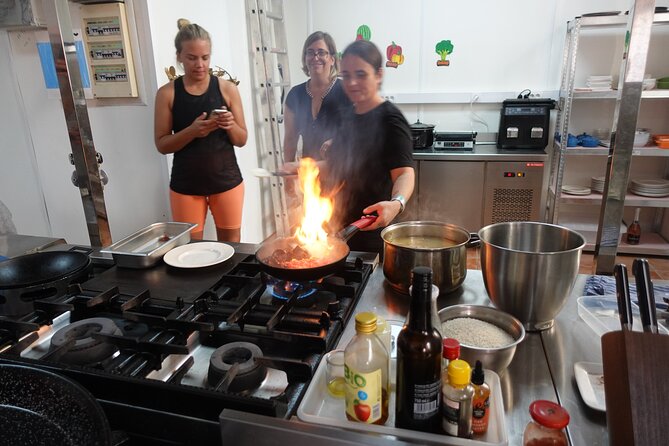
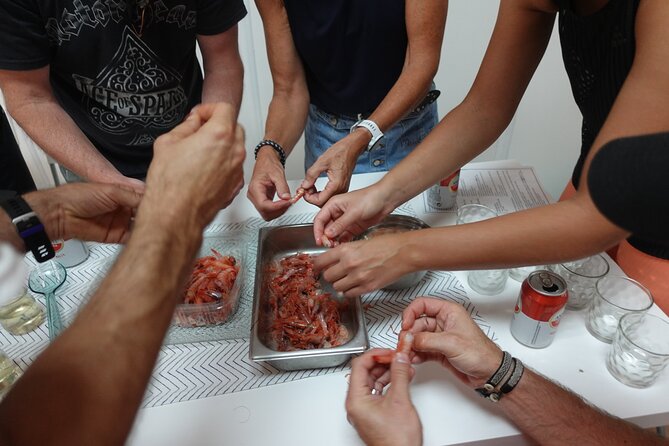
You may help prepare seafood, vegetables, or meat, depending on your selected paella. Some groups have also prepared fish with a blowtorch as part of the process. Everyone is given a task, and the guide moves through the steps with the group.
The class offers seafood, meat, or vegetarian paella. That flexibility makes it easier to include different preferences in the same booking, though you should make sure your chosen option is communicated as required when booking. The supplied information confirms the three styles but does not state a separate procedure for dietary allergies, so anyone with a serious allergy should ask the provider before paying.
A useful point about Alicante paella is that it is not meant to be overloaded. One complaint focused on the amount and size of the seafood, but the provider explained that local Mediterranean shrimp are smaller than ocean shrimp and that Alicante paella is built around the rice and stock. That exchange reveals an important expectation: this is a lesson in local technique, not a seafood feast piled high with large prawns.
You may receive two local shrimp per person, along with squid or cuttlefish, but the exact ingredients can change with market supply. In one case, the kitchen used sepionet, a small cuttlefish considered a prized ingredient, after regular cuttlefish was unavailable. If you expect a generous portion of seafood, you may find the traditional proportions modest. If you want to understand why the rice tastes good, the approach makes sense.
More Sangria and Tapas Tours in Alicante:
- Barcelona Paella Cooking Class with Market Visit, Tapas & Sangria
★ 5.0 · 2,531 reviews - Spanish Cooking Class Paella Tapas and Sangria in Madrid
★ 5.0 · 1,340 reviews - Barcelona Food Tour: Tapas, Paella, Sangria & 8+ Local Tastings
★ 5.0 · 1,275 reviews - Madrid: Paella and Sangria Workshop in the City Center
★ 4.9 · 1,264 reviews
Making tapas and mixing the sangria
While the paella cooks, the group prepares and enjoys other Spanish foods. The meal can include Iberian ham, local sausage, olives, crisps, and a tomato salad with salted fish. Fresh fruit may also be served.
These dishes give you a broader taste of Alicante than paella alone. The tomato and salted fish combination, in particular, shows how simple ingredients can be paired with strong seasoning. The cured ham and sausage add a taste of products from other parts of Spain and the nearby mountains.
You also make your own sangria. The recipe uses wine, orange juice, soda, fruit, syrup, and liqueur. If you normally drink wine neat, the finished drink may seem light or sweet. That is not a mistake in preparation. Sangria is a mixed drink, and the class follows that style.
The alcohol rule is clear: you must be at least 18 to consume it. Anyone under 18 can still take part in the cooking, but should not expect to drink the sangria.
This stage helps keep the class lively while the paella finishes. It also gives you something to do between cooking steps, rather than waiting around the pan.
Sitting down to eat what you prepared
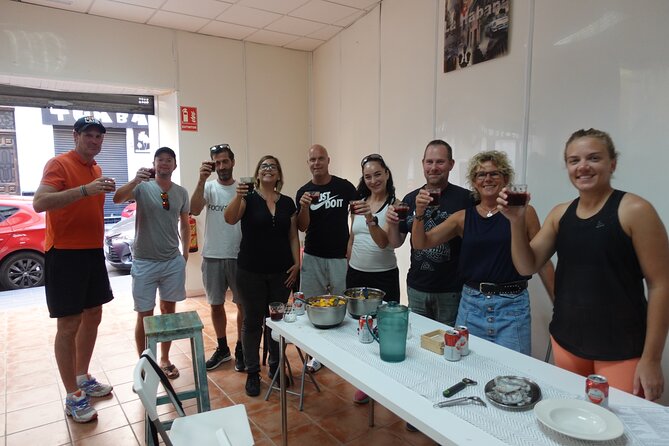
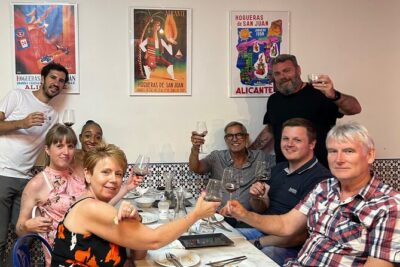
The best part comes at the table. You sit with the group and eat the paella, tapas, salad, and sangria you helped prepare.
That shared meal is a big reason the activity works well for couples, families with adult children, and solo visitors. You begin as strangers dividing up tasks, then finish with a meal that everyone had a hand in making. The food creates an easy subject for conversation.
The final dish is likely to be more satisfying because you understand the work behind it. You have seen the ingredients at the market, helped make the stock, prepared the base, and watched the rice cook. You can also take home recipes, giving the class value beyond the afternoon itself.
Keep your expectations realistic. This is not a restaurant lunch where you choose from a long menu and receive an oversized serving of seafood. It is a cooking workshop followed by the food made in class. The emphasis is on method, local products, and communal eating.
What $59.26 buys you
At $59.26 per person, the price is fair for the amount included. You receive about three and a half hours of activity, a guided market visit, a cooking lesson, tapas, paella, sangria, and the chance to work with two food professionals.
The value is strongest if you want an active cultural experience. A market tour by itself would cost less, and a restaurant meal might be cheaper or more elaborate, but neither would give you the combination of shopping, instruction, cooking, and eating.
You are also paying for ingredients, kitchen use, staff time, and a meal. The class provider notes that taxes and booking commissions are part of the operating cost, but the more useful point for you is simple: this is not a short demonstration with a small tasting at the end.
The value is weaker if you only want to eat paella or if you dislike group activities. You will spend much of the time preparing ingredients, listening to explanations, and sharing kitchen duties. Someone looking for a quiet, upscale lunch should book a restaurant instead.
The rating is 4.8 from 122 reviews, with 95 percent of participants recommending the activity. Those numbers suggest a consistently strong experience, though the isolated criticism about seafood portions and sweet sangria is worth taking seriously. The class is best for people who value an authentic local recipe over oversized portions.
Who will enjoy this class most
I would choose this for anyone who wants food to be the doorway into Alicante. You do not need advanced cooking skills. The guide explains each stage and gives everyone a role, so beginners can take part without feeling exposed.
It also suits solo visitors. The shared format makes conversation easy, and the meal gives you a natural way to meet other people. Couples can split tasks, while families with adult children can choose different paella styles if needed.
Food-focused visitors will get the most from the market explanations. If you are curious about Iberian ham, salted fish, olives, seafood, and the difference between regional rice dishes, the tour gives you useful background in a short time.
I would be more cautious about booking if you have serious allergies, need a strictly alcohol-free experience, or want complete control over the menu. The provided information confirms the main paella choices but does not spell out allergy procedures or alternative drinks.
The class is also less suitable for anyone who dislikes walking or standing in a market and kitchen. The activity lasts about three and a half hours, and the format depends on active participation.
Practical details that affect your day
You receive confirmation when booking, and the activity is offered in English. The meeting point is Plaza 25 de Mayo, 03004 Alicante, beside the central market. You return to that same meeting point at the end.
The class usually sells ahead of time, with bookings made an average of 19 days in advance. If your Alicante dates are fixed, booking early is sensible, especially if you want a smaller group or a particular paella choice.
Free cancellation is available up to 24 hours before the start time for a full refund. Changes or cancellations made inside that 24-hour window are not accepted for a refund. The activity also needs a minimum number of participants, so if the provider cancels for that reason, you are offered another date or experience, or a full refund.
Should you book the Alicante paella class?
Book it if you want to shop, cook, and eat rather than simply order a plate of paella. The Central Market visit gives the experience a strong sense of place, and the kitchen session explains the less visible work behind the rice: the broth, salmorreta, timing, and balance.
Go in expecting local Alicante proportions. The seafood may be smaller than what you see in an ocean-side restaurant, and the sangria includes juice and soda by design. If you want a large seafood serving or dry wine, this may not be the right meal.
For most visitors, the $59.26 price is a good use of half a day. Federico or Fred brings warmth and clear explanations, the staff keeps everyone involved, and the meal gives you something tangible to remember. I would book this for a first visit to Alicante, especially if you want one activity that connects the market, the kitchen, and the table.
FAQ
Where does the paella and sangria class begin?
The class begins at Plaza 25 de Mayo, outside Alicante’s central market, the Mercat Central d’Alacant.
How long does the experience last?
The activity lasts approximately three hours and 30 minutes.
What types of paella can I choose from?
You can choose seafood, meat, or vegetarian paella.
Is the class offered in English?
Yes. The experience is offered in English.
Can children drink the sangria?
No. Alcohol consumption is limited to people aged 18 and over.
Where does the activity end?
The class ends back at the original meeting point at Plaza 25 de Mayo.
More Shopping Tours in Alicante
- Paella Cooking Class, Wine Tasting & Central Market in Valencia
★ 5.0 · 1,150 reviews - Valencian paella cooking class, tapas and visit to Ruzafa market.
★ 5.0 · 828 reviews - Spanish Cooking Class & Triana Market Tour in Sevilla
★ 5.0 · 760 reviews - Seville: 3.5-Hour Spanish Cooking Class & Triana Market Tour
★ 4.9 · 751 reviews
More Market and Tapas Tours in Alicante
- Alicante Tour: Full City, Castle, Market & Tapas Experience
★ 5.0 · 20 reviews - Alicante: Central Market Guided Food Tour with Tapas Bars
★ 5.0 · 5 reviews - All of Alicante with the Castle, Market, and Tapas. Small group, max 6 people
★ 5.0 · 4 reviews - Barcelona: Paella Cooking Experience & Boqueria Market Tour
★ 4.8 · 3,661 reviews
Just added around Alicante
- Winery Visit and Tasting in Elche with wines and tapas from Alicante in Van★ 5.0 · 9 reviews
- Evening Spanish Tapas Cooking Class with Live Guitar Music★ 4.5 · 20 reviews
- Vibrant Flamenco Show and Tapas Menu in Alicante★ 5.0 · 19 reviews
- Paella & Alicante Adventure for Cruise Travelers★ 5.0 · 19 reviews
- Wine and Tapas Tasting Tour from Alicante, Private Van★ 5.0 · 4 reviews
- Alicante Evening Tapas tour★ 5.0 · 27 reviews
- Alicante Tour: Full City, Castle, Market & Tapas Experience★ 5.0 · 20 reviews
- Tapas Tour★ 4.5 · 13 reviews
Alicante Tapas Tours, compared.

Alicante Historic Small Group Tour with Tapas Tasting
Read our review →
Alicante Food and Tapas Tour with a Local Guide
Read our review →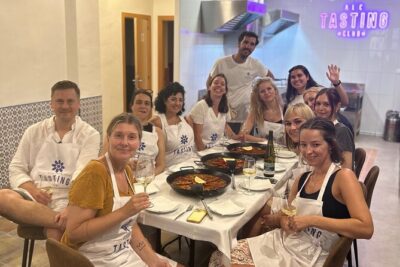
Alicante Paella Cooking Class, Tapas, Drinks and Marketplace
Read our review →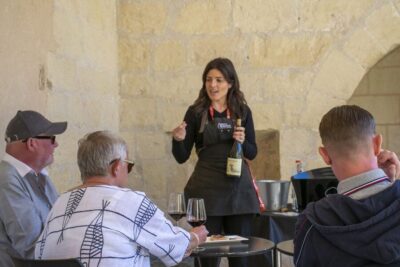
Alicante Paella Cooking Class, Tapas, Drinks and Market
Read our review →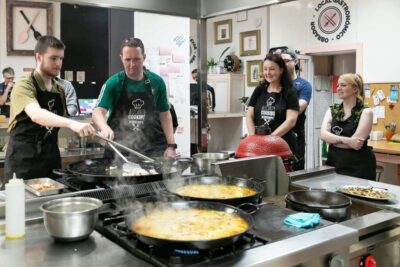
Paella & Sangria Class with Tapas and Market Visit
Read our review →
Browse the lists this tour appears in